
Vegetables
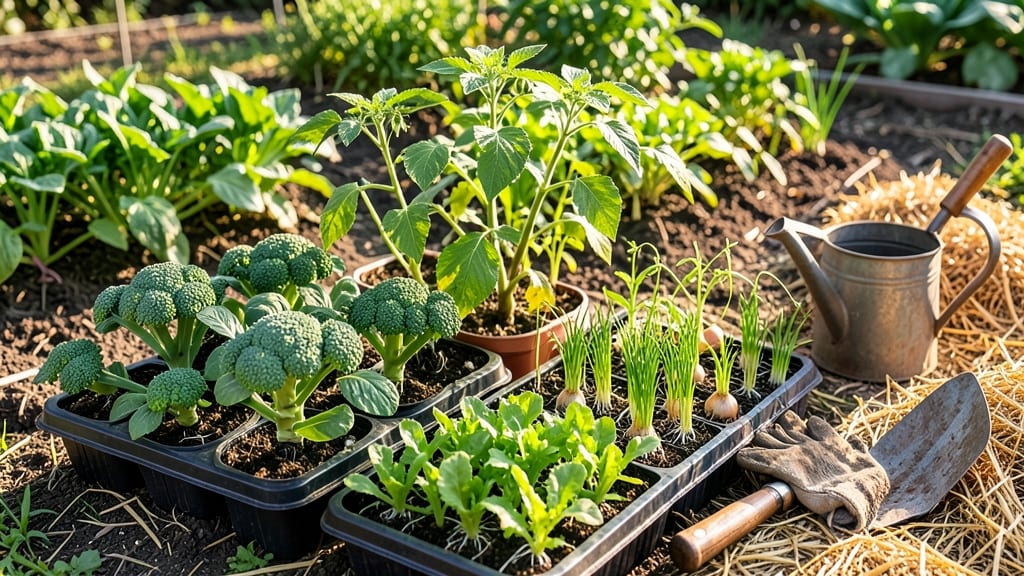
Timing your vegetable planting in California isn't just about the calendar—it's about mastering the coastal fog vs. inland heat dance that can make or break your harvest. Get the schedule wrong, and you’ll watch your seedlings wilt in unexpected frost or bolt into bitterness under relentless sun.
I’ve spent years growing 🌱 vegetables across the state, and the difference between a thriving garden and a struggle comes down to knowing when to plant—whether you’re in chilly San Francisco or the scorching Central Valley.
The key? Understanding your microclimate’s last frost date and matching it to the right crops.
In this guide, I’ll break down the best planting windows for both coastal and inland zones, so you can time everything from crisp lettuce to juicy tomatoes perfectly. No more guesswork—just a calendar tailored to your corner of California.
Ready to turn your garden into a year-round harvest? Let’s dive into the schedules that actually work, plus how to adjust for your specific location’s quirks.
California planting zones: coastal vs inland start dates by vegetable type
California’s USDA zones 5-10 create dramatic differences in planting windows—coastal areas like San Francisco (Zone 9-10) can grow year-round, while inland valleys like the Central Valley (Zone 8-9) have hotter summers and cooler winters. The key? Understanding your last frost date and soil temperature thresholds for each crop.
For cool-season vegetables like lettuce, broccoli, and peas, coastal gardeners can plant as early as September-October for winter harvests, while inland growers wait until November-December to avoid frost damage.
Warm-season crops like tomatoes and peppers, however, thrive when soil hits 60°F+, which happens 4-6 weeks earlier inland than along the coast.
Here’s how to align your planting with California’s microclimates for maximum success:
| Vegetable | Coastal (Zones 7-10) | Inland (Zones 5-9) | Key Notes |
|---|---|---|---|
| Lettuce | Sep-Oct (winter) / Feb-Mar (spring) | Nov-Dec (winter) / Mar-Apr (spring) | Bolt-resistant varieties like Romaine thrive in coastal fog. |
| Tomatoes | Apr-May (transplant) / Jul-Aug (succession) | Mar-Apr (transplant) / Jun-Jul (succession) | Inland areas need black plastic mulch to warm soil faster. |
| Broccoli | Sep-Oct (winter) / Feb-Mar (spring) | Nov-Dec (winter) / Mar-Apr (spring) | Coastal plants may need row covers for frost protection. |
| Peppers | May-Jun (transplant) | Apr-May (transplant) | Inland peppers ripen 2-3 weeks faster due to heat. |
| Carrots | Sep-Oct (winter) / Mar-Apr (spring) | Oct-Nov (winter) / Feb-Mar (spring) | Loose, sandy soil is critical for coastal varieties. |
Pro tip: Use California’s Frost-Free Date Map (available from the UC Master Gardeners) to pinpoint your exact zone. For example, Sacramento’s last frost averages March 15, while San Diego’s is never—lettuce can grow year-round there!
For warm-season crops, I recommend starting seeds 6-8 weeks before your local last frost date. Inland gardeners can often plant 2 weeks earlier than coastal counterparts because soil warms faster. For instance, eggplants need 80°F+ soil, which happens in April inland but not until May-June along the coast.
Don’t forget about succession planting! In coastal areas, you can stagger plantings every 2-3 weeks for continuous harvests of bush beans or radishes. Inland, focus on late summer plantings to avoid 100°F+ heat stress on young seedlings.
One common mistake? Assuming all of California is the same. My San Francisco garden thrives with winter lettuce, while my friend’s Fresno garden can’t even attempt it—her soil freezes solid in December. Know your microclimate!
For container gardening
How to adjust your planting schedule for microclimates and soil conditions
California’s microclimates can shift planting windows by weeks—even miles apart. If you live in coastal fog belts, like San Francisco, your soil stays cooler longer than inland areas like Sacramento.
This means cool-season crops like lettuce or peas might thrive in late winter (February), while inland gardeners wait until March or April.
Similarly, soil warmth dictates when to plant warm-season vegetables. Inland zones (USDA 5-9) can plant tomatoes or peppers as early as mid-April, but coastal gardeners often wait until May to avoid chilly soil stunting growth. Use a soil thermometer—ideal temps for warm-season crops are 60-65°F.
For coastal gardeners, row covers or cold frames can push planting windows earlier. I’ve started cabbage seedlings in January under a frame and transplanted them in February—something impossible without protection. Inland areas benefit from black plastic mulch to warm soil faster for tomatoes or peppers.
Don’t overlook local frost patterns. Check your USDA zone and historical frost dates—coastal Zone 10 areas rarely see frost, while inland Zone 8 might experience light frosts in December. Use this to plan fall plantings of broccoli or carrots.
Finally, amend your soil 4-6 weeks before planting. Coastal soils often need organic matter to improve drainage, while inland soils may benefit from compost to retain moisture. A simple pH test ensures your soil is ready—most vegetables prefer 6.0-7.0.
With these adjustments, you can maximize your harvest regardless of whether you’re battling coastal fog or inland heat. Start small, experiment with timing, and soon you’ll have a year-round vegetable garden tailored to your microclimate. 🌱