
Trees
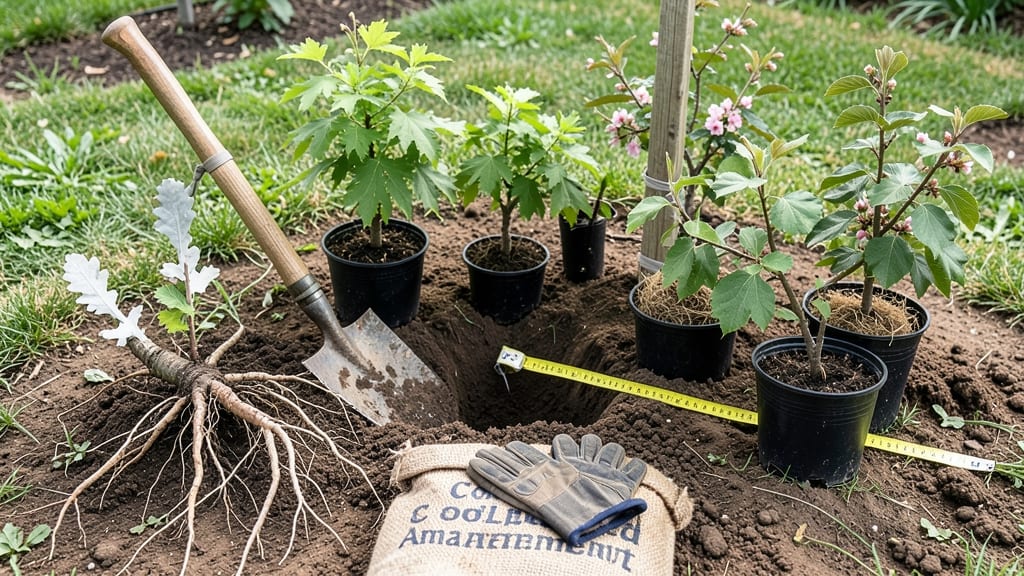
Planting a tree in Missouri at the wrong time could mean years of struggling with weak growth—or worse, losing your investment entirely.
The best time to plant trees in Missouri isn’t just about picking a season; it’s about avoiding late spring frosts and giving roots time to establish before winter’s chill sets in.
Missouri’s 5b-6b climate means spring planting works best between March and May, while fall offers a second chance from September to November. But here’s the catch: planting too early in spring risks frost damage, while waiting too late in fall leaves roots vulnerable before winter.
Let’s break down how to time it perfectly for your 🌳’s long-term success.
You might think container-grown trees give you more flexibility, but even they need the right conditions. Bare-root trees, on the other hand, demand precise timing—plant them too late, and they’ll struggle to adapt.
I’ll share the exact window for each type, plus soil prep tricks that make all the difference in Missouri’s variable weather.
Ready to plant with confidence? I’ll walk you through the critical factors that separate thriving trees from those that barely survive. From soil moisture to frost dates, here’s how to give your new tree the strongest start possible—no guesswork required.
Missouri’s ideal planting windows: spring vs fall compared
Missouri’s climate—with its USDA Zones 5b-6b—creates a unique challenge for tree planting. The best times to plant trees are early spring (March-May) and fall (September-November), but the choice depends on your tree type and region.
Northern Missouri’s cooler climate favors fall planting, while southern Missouri’s longer growing season gives flexibility for spring.
Fall planting is often preferred because cooler temps and higher soil moisture reduce transplant shock. Trees planted in September-October establish roots before winter dormancy, giving them a head start in spring. However, bare-root trees must be planted before the ground freezes, usually by November 15 in most of Missouri.
Spring planting (March-May) works best for container-grown trees or those needing quick establishment. Avoid planting too early—late frosts in April can damage new growth. Southern Missouri’s milder winters extend the spring window to mid-May, while northern areas should finish by early May.
| Factor | Spring Planting (Mar-May) | Fall Planting (Sep-Nov) |
|---|---|---|
| Soil Temperature | 50-65°F (ideal for root growth) | 50-60°F (roots establish before dormancy) |
| Moisture Levels | Moderate (spring rains vary) | High (fall rains + cooler air) |
| Frost Risk | High (late frosts in April) | Low (after first frost) |
| Best Tree Types | Container-grown, fast-growing (e.g., willow, poplar) | Bare-root, slow-growing (e.g., oak, maple, pine) |
| Missouri Region Fit | Southern MO (longer growing season) | Northern MO (cooler climate) |
| Survival Rate | 70-85% (with proper care) | 80-95% (optimal conditions) |
For northern Missouri (Zones 5b-6a), fall planting is ideal because the growing season is shorter. Trees like red oak, sugar maple, and white pine thrive when planted in September-October, as they establish roots before winter.
Southern Missouri (Zones 6a-6b) offers more flexibility, but avoid planting in July-August—the heat and drought stress young trees.
Container-grown trees adapt better to spring planting because their roots aren’t exposed. If you choose spring, plant as soon as the soil is workable (usually mid-March in southern MO and late March in northern MO).
For bare-root trees, fall is critical—they need 6-8 weeks to establish roots before freezing.
Missouri’s microclimates matter too. Urban areas like St. Louis and Kansas City experience urban heat islands, which can dry out soil faster. In these zones, fall planting with extra mulch is often the safest bet.
Rural areas with well-draining soil may handle spring planting better, especially for drought-tolerant species like redbud or hickory.
Pro tip: Check your local Missouri Extension office for frost date averages—they’ll give you the most precise planting window for your county. For example, Columbia (Zone 6a) has a last frost around April 15, while Kansas City (Zone 6b) can plant slightly later.
If you’re torn between spring and fall, consider your tree’s maturity rate. Fast-growing trees like silver maple recover quickly from transplant shock, making spring a viable option. Slow growers like white oak need the extra time fall planting provides to avoid stress.
Remember, soil preparation is just as critical as timing. Amend your planting hole with compost or native soil to improve drainage, especially in clay-heavy Missouri soils. A well-prepared site can make the difference between a thriving tree and one struggling to survive.
Critical factors that decide your tree’s survival rate
Missouri’s Zone 5b-6b climate means your tree’s survival hinges on soil moisture, frost timing, and species-specific needs. Planting too early in spring risks late frost damage, while fall planting must avoid early freezes.
Northern Missouri’s colder microclimates favor late April or early May for spring, while southern regions can extend to mid-May.
For fall planting, aim for September through early November—soil stays warm enough for root growth, but frosts haven’t arrived. Container-grown trees offer flexibility, but bare-root varieties need cooler soil temps (60°F or below) to prevent stress. Drought-prone areas like western Missouri demand extra watering during establishment.
Urban heat islands in cities like St. Louis can push first frost dates earlier (as early as mid-October), so adjust planting windows accordingly. Oak and maple trees thrive with fall planting, while pine and fruit trees prefer early spring to avoid fungal risks from prolonged wet soil.
🌱
⚠️ Critical Mistakes to Avoid
- Planting in extreme heat: Soil temps above 85°F shock roots. Avoid June-August.
- Ignoring frost dates: Check USDA frost maps—northern MO freezes earlier than southern regions.
- Overwatering: Soggy soil suffocates roots. Deep but infrequent watering is key.
- Skipping mulch: 3-inch mulch ring retains moisture and regulates soil temp.
Missouri’s clay-heavy soils dry quickly—amend with compost before planting!
Soil preparation is non-negotiable. Test your soil pH (ideal: 6.0-7.0 for most trees) and amend with organic matter like compost or peat moss. Drainage is critical—avoid low spots where water pools. For container-grown trees, remove the pot and loosen roots to prevent girdling.
Timing also affects root establishment. Trees planted in fall develop roots before dormancy, giving them a 30-50% survival advantage over spring-planted counterparts. However, spring planting (after last frost) allows full growing season for root and canopy growth.
🌳