
Trees
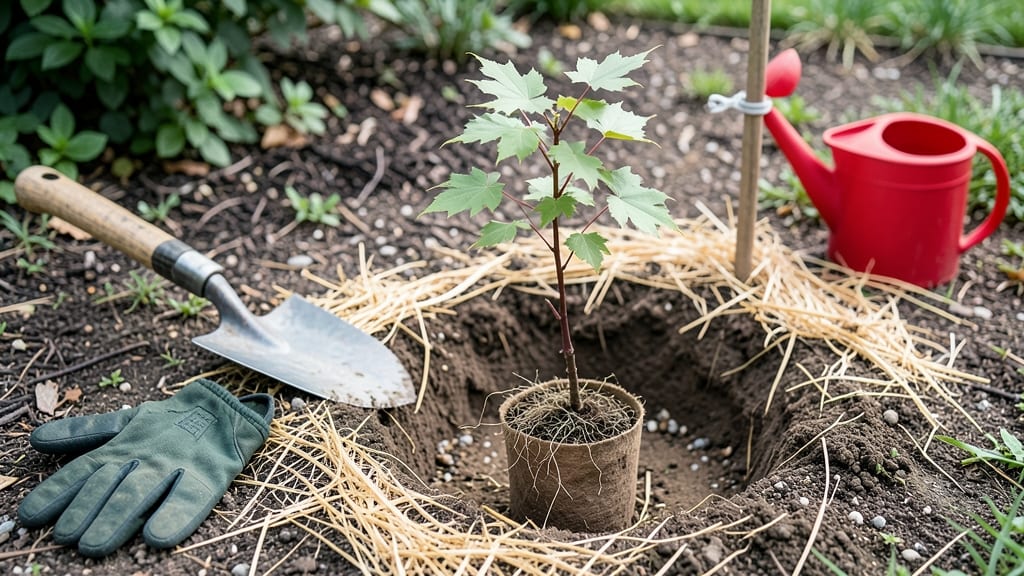
Planting a tree in Colorado at the wrong time can mean the difference between a thriving 🌳 and a struggling sapling that never reaches its full potential.
The key to success lies in understanding your specific microclimate—whether you're in the Front Range, Western Slope, or Eastern Plains—because frost dates and soil conditions vary dramatically across the state.
Most gardeners assume spring is the only window for planting, but Colorado's unique climate actually offers two optimal periods: late winter through early spring (February to April) and a shorter fall window.
This isn't just about avoiding frost—it's about giving your tree's roots the perfect conditions to establish before the ground freezes or drought sets in.
What you might not realize is that planting too early or too late can lead to stunted growth or even death, especially for species like oaks and pines that need specific soil temperatures.
I'll break down the exact months for your elevation zone, plus the science behind why timing matters so much for Colorado's USDA zones 5-7.
Ready to transform your yard with a tree that thrives? Let's dive into the microclimate-specific schedule that will give your new tree the best possible start—no guessing required.
Colorado’s optimal tree planting months by elevation zone: a science-backed schedule
Colorado’s diverse elevation zones create wildly different planting conditions—what works in Denver’s Front Range (5,000–7,000 ft) fails in Aspen’s alpine forests (8,000–10,000 ft). The key? Planting when soil temperatures hit 40–50°F and dormancy periods align with your zone’s last frost date.
For most Colorado regions, the ideal window spans late February to early April, but high-elevation areas (above 7,500 ft) may need to wait until May to avoid late-season frosts.
Evergreens like blue spruce or ponderosa pine have different timing needs than deciduous oak or maple—we’ll break it all down by zone.
Here’s the science-backed breakdown of when to plant trees in Colorado, tailored to your elevation and microclimate:
Notice how alpine zones shift planting to late spring? That’s because soil stays cold longer at high elevations, delaying root growth. Meanwhile, lowland areas like the San Luis Valley can plant as early as February if you use row covers for frost protection.
Pro tip: Bare-root trees (like those sold in dormant season) thrive when planted in late winter—their roots establish before leaves emerge. Container-grown trees, however, can handle fall planting (September–October) in most zones, giving roots time to settle before winter.
Colorado’s Western Slope (e.g., Grand Junction) often sees earlier last frosts than the Front Range, so adjust your timeline if you’re near the Continental Divide. Use your local Cooperative Extension office data for precise frost dates—every 1,000 ft elevation gain can shift timing by 1–2 weeks.
For urban Denver gardens, heat islands can extend the planting window into early May, but soil moisture becomes critical. Always amend clay-heavy soils with compost or sand to improve drainage—Colorado’s adobe soils can suffocate roots if too compacted.
Evergreens like blue spruce or Douglas fir need well-draining soil to avoid root rot, while deciduous trees (like red maple) tolerate moisture-retentive soils. Match your species to your microclimate—this is the secret to 90%+ survival rates in Colorado’s variable climate.
One final hack: Plant on a cloudy day or late afternoon to reduce transplant shock. Colorado’s dry winds can desiccate fresh roots, so water deeply (15–20 gallons per tree) immediately after planting and mulch with 3–4 inches of wood chips to lock in moisture.
Now that you’ve got the timing science down, let’s tackle the red flags that mean your planting window was off—like fungal growth or stunted
Signs your Colorado tree planting timing is wrong (and how to fix it)
Even with the best intentions, planting trees at the wrong time can lead to poor root establishment, fungal infections, or even tree death—especially in Colorado’s variable climate.
Watch for these red flags that your timing might be off, and learn how to correct course before it’s too late.
Wilting or yellowing leaves within weeks of planting often signals transplant shock from late spring plantings when soil is too warm. Colorado’s Front Range can hit 90°F+ by June, stressing young roots before they establish. If you planted in May or later, prioritize deep watering (15-20 gallons per tree) and shade cloth until roots stabilize.
Mushroom growth at the base of your tree is a fungal warning sign, common when planting in fall without proper soil prep. Colorado’s Western Slope stays damp longer into autumn, creating ideal conditions for pathogens. Fix this by removing infected soil, applying copper fungicide, and switching to drought-resistant species like Ponderosa Pine or Gambel Oak for future plantings.
⚠️ Critical Timing Mistakes in Colorado
- Planting bare-root trees in summer: Roots dry out before establishing.
- Fall plantings without mulch: Frosts can damage shallow roots.
- Skipping soil testing: Colorado’s alkaline soils (pH 7.5+) need amendments.
Use mycorrhizal fungi for root boosts in high-altitude zones.
Slow or no new growth by mid-summer suggests root-bound stress from planting container-grown trees too late. In Denver’s urban heat islands, this happens when roots circle in pots before transplanting. To fix it, prune circling roots at planting, use container-grown trees with open root balls, and water deeply every 7-10 days until roots spread.
Cracked soil around the base after planting is a sign you waited until soil temperatures exceeded 70°F—ideal for root rot. Check soil temps with a soil thermometer; aim for 50–60°F for optimal root growth. In High Plains areas (elevation 4,000–6,000 ft), this means planting bare-root trees in March or container-grown trees by early May.
Adjust your schedule by choosing dormant-season plantings (late winter/early spring) for deciduous trees like Colorado Blue Spruce or Quaking Aspen, or fall plantings (September–October) for evergreens like Douglas Fir. For container-grown trees, extend your window to late April–early June with drip irrigation and mulch to retain moisture.
Pro tip: Use root stimulants (like Mycorrhizal Fungi) for high-altitude plantings, and monitor soil moisture with a moisture meter—Colorado’s dry winds can dehydrate young trees faster than you think. 🌳