
Plants
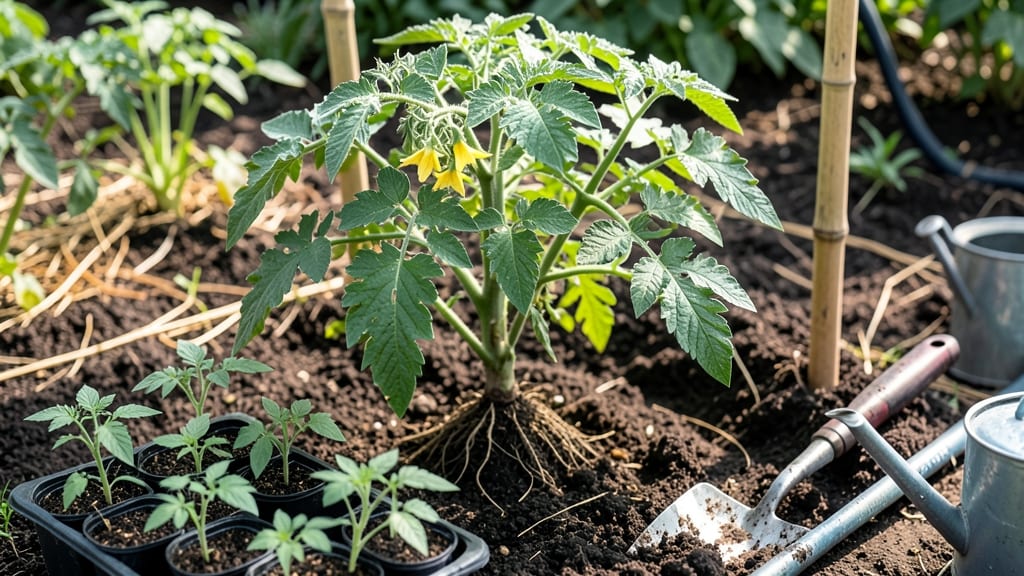
Timing when is the best time to plant tomatoes in Missouri isn't just about waiting for spring—it's about beating the state's notorious late frost risks and unpredictable weather swings.
With USDA zones 5b-6b and frost dates that can vary by weeks across regions, planting too early could fry your seedlings while waiting too long might shorten your harvest window.
That's why I've dug into Missouri's historical frost data and local gardening insights to pinpoint the ideal planting window—typically between April 15 and June 1—when soil temperatures consistently stay above 60°F and nighttime lows remain above 50°F.
This isn't just theory; it's what separates the gardeners with bushels of tomatoes from those left with sad, stunted plants.
What you'll discover here are the exact strategies Missouri gardeners use to time their plantings perfectly, including how to adjust for your specific microclimate—whether you're in St. Louis's urban heat zone or a rural valley where cold air pools.
We'll also cover the 3 critical checks you must make before sticking that first seed in the ground.
By the end, you'll know not just when to plant, but how to protect your investment from Missouri's most common planting pitfalls. Let's get those tomatoes growing strong from day one.
Missouri’s last frost dates & heat zones: the exact timeline for planting tomatoes
Missouri’s USDA Hardiness Zones 5b-6b create unique challenges for tomato growers, where last frost dates can vary by 2-3 weeks between St. Louis and Kansas City. The average last frost typically falls between April 15 (southern Missouri) and May 1 (northern regions), but microclimates can shift this window dramatically.
For frost-free success, aim to plant 2-4 weeks after your local last frost date—this gives young plants time to establish roots before summer heat arrives.
Tomatoes thrive when soil temperatures reach at least 60°F and nighttime temps stay above 50°F. In Missouri, this usually aligns with mid-May for most regions, but urban heat islands (like St. Louis) may allow earlier planting.
Use a soil thermometer to verify—cold soil can stunt growth or trigger blossom end rot. Pro tip: Black plastic mulch warms soil faster, letting you plant 1-2 weeks earlier in cooler zones.
Here’s your Missouri-specific planting timeline broken down by region and heat zone:
| Region | USDA Zone | Avg. Last Frost | Optimal Planting Window | Soil Temp. Goal |
|---|---|---|---|---|
| Southern MO (Poplar Bluff) | Zone 7a | March 25 | April 15–May 1 | 60°F+ |
| St. Louis Metro | Zone 6b | April 10 | April 25–May 10 | 60°F+ |
| Kansas City Area | Zone 5b | April 20 | May 5–May 15 | 60°F+ |
| Northern MO (Columbia) | Zone 5b | April 25 | May 10–May 20 | 60°F+ |
| Mississippi River Valley | Zone 6a | April 5 | April 20–April 30 | 60°F+ |
🌡️ Pro Tip: Use a soil thermometer to confirm readiness—tomatoes won’t thrive in cold soil!
Missouri’s 30-day average temperatures play a critical role in transplant shock. If you’re planting seedlings (not seeds), wait until nighttime lows consistently stay above 50°F—this usually means late May for northern zones.
For direct sowing seeds, push the timeline 1-2 weeks earlier since seedlings can handle slightly cooler soil. Heat-loving varieties (like Celebrity or Better Boy) need warmer soil, so prioritize southern exposures or raised beds to speed up warming.
Don’t rely solely on frost dates—late spring cold snaps
How to adjust planting time for Missouri’s microclimates: urban vs. rural vs. valley gardens
Missouri’s diverse geography means your neighbor’s perfect planting date might not work for you. Urban areas like St. Louis and Kansas City experience heat islands that warm soil faster, while river valleys (Mississippi, Missouri River) trap cold air longer.
Even a 5-mile difference can shift your ideal planting window by 7-10 days—so let’s break it down by microclimate.
For urban gardens, aim to plant 1-2 weeks earlier than rural areas. Pavement and buildings create warmer microclimates, letting you start seedlings in late March for transplanting by mid-April.
In contrast, rural farmland stays colder longer—wait until mid-May to avoid late spring frosts that hit open fields harder.
River valleys present unique challenges. The Mississippi River Valley (e.g., Cape Girardeau) often sees later last frosts due to cold air pooling. Use a soil thermometer—plant only when soil hits 60°F at 4 inches deep.
Meanwhile, hilly regions (Ozarks) warm up faster but face stronger winds, so protect seedlings with row covers or windbreaks.
Use a soil thermometer—tomatoes need 60°F+ soil. Urban areas hit this 2 weeks earlier than rural zones.
Plant 1-2 weeks early in cities (St. Louis, KC) where pavement retains heat. Monitor nighttime temps—keep above 50°F.
Valleys (Mississippi, Missouri River) stay cold longer. Wait for consistent 60°F+ days—often late April to May.
Hilly/Ozark areas need wind protection. Use row covers or trellises to shield seedlings.
Southern MO (higher humidity) may need earlier planting to avoid fungal diseases. Northern MO (drier) can plant later.
Pro tip: Check the Missouri Climate Center’s frost maps (extension.missouri.edu) for your specific ZIP code. Even within St. Louis City, neighborhoods like South County (warmer) can plant 10 days earlier than North County. For container gardening, urban heat helps—pots warm up 3-5°F faster than ground soil.
Adjust your timeline by observing local cues: When redbud trees bloom (early April) in your area, it’s time to start seedlings indoors. By mid-May, if dandelions are flowering, your soil is likely ready for transplanting. Listen to your microclimate—it’s your best guide!
Missouri’s unpredictable May cold fronts can still sneak in, so always have row covers on hand. Even in Zone 6b, a 28°F night in late May can kill young plants.
Planting successive batches every 2 weeks ensures a staggered harvest—just don’t let seedlings sit in cold, wet soil for more than 3 days.