
Plants
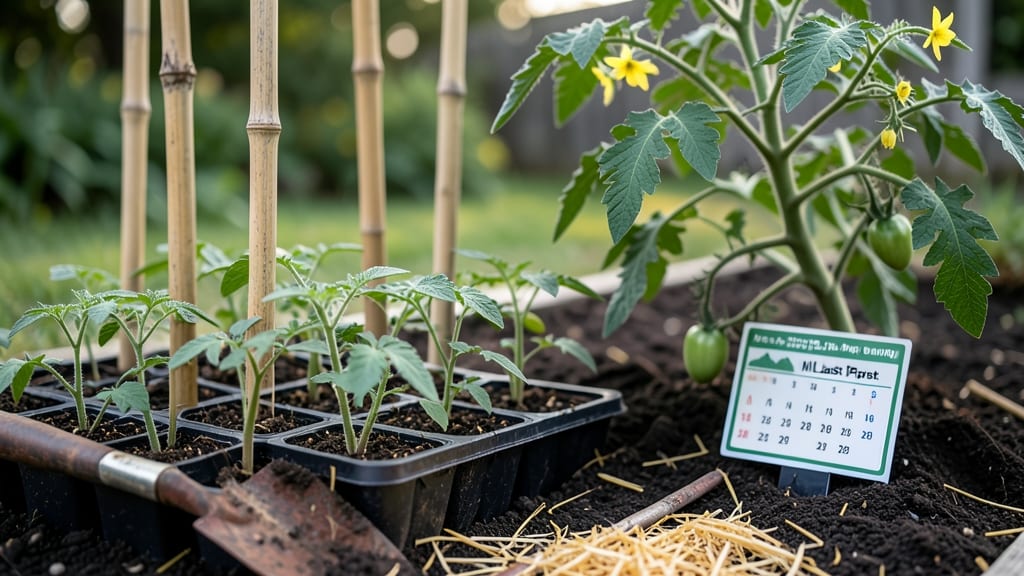
When should you plant tomatoes in Missouri? Timing your tomato planting in Missouri isn’t just about the calendar—it’s about catching that perfect window between last frost and scorching summer heat. With USDA Zones 5b-6b throwing curveballs like late frosts or early heatwaves, planting too early risks frost damage, while waiting too long cuts your harvest short. The sweet spot? Starting seeds indoors by March 15 and transplanting outdoors only after soil warms to 60°F—but how do you know when that’ll be?
Missouri’s April 15 average last-frost date is a guideline, not a rule. Northern Missouri gardeners in Zone 5b often wait until May 1 to play it safe, while Zone 6b growers near St. Louis might push seedlings into the ground by late April.
The key is watching soil temps and local microclimates—your backyard’s frost pockets could delay planting by 1-2 weeks compared to your neighbor’s.
Here’s the game-changer: align your planting with your tomato’s maturity timeline. Early varieties like ‘Early Girl’ (60 days to harvest) can handle a late start, but heirlooms like ‘Brandywine’ (85+ days) need an early jump.
We’ll break down the exact dates for your zone, plus 3 foolproof tricks to extend your growing season—because in Missouri, every extra day counts.
Ready to turn your garden into a 🍅 powerhouse? Let’s map out your planting schedule so you’re harvesting juicy tomatoes from June through October—no guesswork, just guaranteed results. Grab your calendar and a thermometer; we’re about to make your tomato season your best yet.
Missouri tomato planting calendar: exact start dates by Zone 5 vs. Zone 6
Missouri’s USDA Zones 5b-6b create unique challenges for tomato growers. The average last frost date ranges from April 15 in northern Zone 5 areas to May 1 in southern Zone 6 regions, but Mother Nature doesn’t always follow the schedule.
To maximize your harvest, timing is critical—especially when deciding between indoor seed starting and outdoor transplanting.
For Zone 5 gardeners, the growing season is shorter, so early varieties and precise timing become even more important. Meanwhile, Zone 6 gardeners have slightly more flexibility but still face late spring frosts that can devastate young plants.
Let’s break down the exact windows for both zones, including when to start seeds indoors and when to plant outdoors.
| Zone | Indoor Seed Start | Outdoor Transplant | Last Frost Date | Soil Temp Requirement |
|---|---|---|---|---|
| Zone 5b | March 15 - April 1 | April 20 - May 10 (after last frost) | April 15 (avg) | 60°F+ (use black plastic mulch) |
| Zone 6a | March 20 - April 15 | April 25 - May 15 (after last frost) | April 20 (avg) | 60°F+ (warmer soil speeds germination) |
| Early Varieties | April 1 - 15 (direct sow) | May 1 - 15 (for late-season harvest) | N/A (frost-tolerant) | 55°F+ (cold-hardy types only) |
| Late Varieties | March 1 - 15 (early start) | April 10 - 20 (risky, use row covers) | N/A (longer season needed) | 65°F+ (optimal for fruiting) |
Adjust dates 1-2 weeks earlier for southern Missouri or later for northern areas
If you’re starting seeds indoors, aim for 6-8 weeks before your last frost date. For Zone 5 gardeners, this means beginning seeds around March 15, while Zone 6 gardeners can start slightly later, around March 20.
Use grow lights to provide 14-16 hours of light daily—tomatoes need plenty of light to prevent leggy seedlings.
For outdoor planting, wait until the soil temperature reaches at least 60°F and all frost risk has passed. In Zone 5, this typically falls between April 20 and May 10, while Zone 6 has a slightly longer window from April 25 to May 15.
Use a soil thermometer to confirm—cold soil slows germination and stunts growth.
Pro tip: Early varieties like 'Early Girl' or 'Stupice' can be direct-sown as soon as the soil is workable (around April 1 in Zone 6), but they’ll need row covers for protection. Late varieties like 'Brandywine' or 'Cherokee Purple' require a longer season, so start them indoors early and transplant after the last frost.
Missouri’s 165 frost-free days mean you’ll need to plan carefully. If you’re in northern Zone 5, focus on early-maturing varieties (60-70 days to harvest).
In southern Zone 6, you can extend your season with late plantings (up to May 15) and season extenders like cold frames or hoop houses.
Remember: Missouri’s weather is unpredictable. Always have row covers or frost cloth on hand for late spring surprises. And if you’re in doubt, plant a few extra seedlings—you can always give them away if you have too many!
🌱
How to adjust tomato planting for Missouri’s unpredictable weather
Missouri’s spring frost dates can shift dramatically from year to year, leaving gardeners scrambling to protect tender tomato seedlings. A late frost in May or a sudden heatwave in April can devastate your crop if you’re not prepared.
The key is flexibility—adjusting your planting strategy based on real-time weather patterns rather than relying solely on averages.
Start by monitoring local frost forecasts from resources like the Missouri State Climate Office. Sign up for their free alerts to receive updates on last-frost dates for your specific county.
In Zone 5, this can vary from April 15 to May 1, while Zone 6 areas might see frost-free conditions as early as April 1—or as late as May 10.
Here’s my go-to strategy for Missouri gardeners: plant early-maturing varieties first in protected environments, like cold frames or under floating row covers. This buys you extra time to transplant outdoors safely once the soil temperature hits 60°F consistently.
For example, if your last frost is delayed, opt for ‘Early Girl’ or ‘Stupice’—both mature in 60-70 days and can handle cooler soils better than heirlooms.
⚠️ Late Frost Warning: Protect Your Seedlings!
If frost is forecasted after transplanting, act fast! Cover plants with a lightweight row cover or old bedsheets secured with bricks. For extreme cold (28°F or below), move potted seedlings indoors near a south-facing window or under grow lights until the threat passes.
Another trick I swear by is black plastic mulch. Lay it down 2-3 weeks before planting to warm the soil faster—this can shave off 10-14 days from your transplant timeline.
Pair it with straw mulch afterward to retain moisture and suppress weeds. For container gardeners, use heat mats or black pots to extend the growing season by 2-3 weeks.
Don’t forget to harden off seedlings properly before transplanting. Gradually expose them to outdoor conditions over 7-10 days, starting with 2 hours/day in a sheltered spot. This toughens up young plants so they’re less likely to bolt or wilt when moved to the garden.
Skip this step, and you’ll risk transplant shock, especially in Missouri’s windy springs.
Finally, keep an eye on the 7-day forecast when transplanting. If high temperatures exceed 90°F for more than 3 days, delay planting until evening hours to avoid heat stress.
In southern Missouri (Zone 6), this is less of an issue, but northern areas (Zone 5) can swing from freezing nights to scorching days within weeks.