
Plants
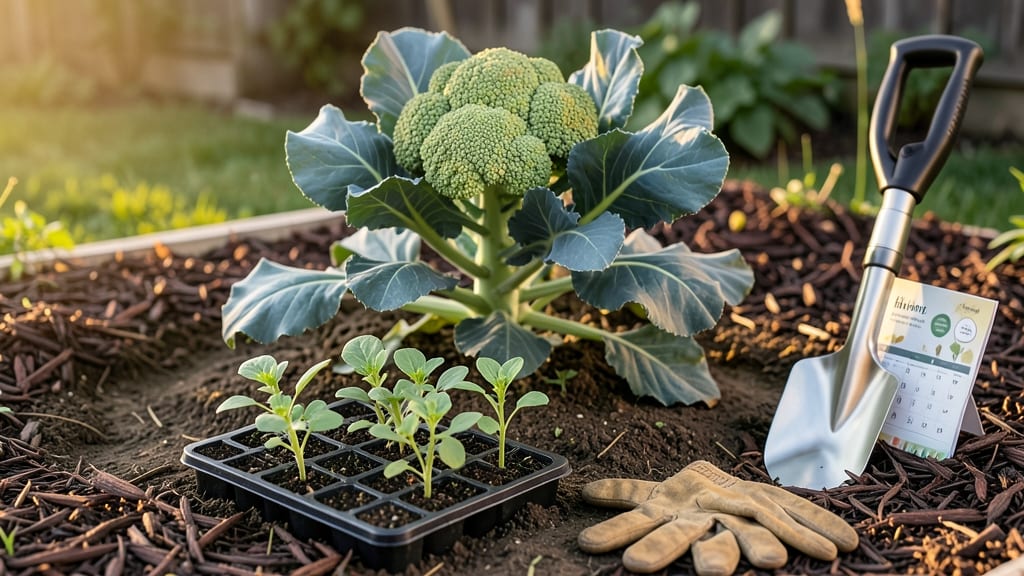
Planting broccoli 🥦 in Central Florida’s heat can feel like a gamble—one wrong move, and your plants bolt into bitter flowers instead of tasty heads.
But timing isn’t just about avoiding summer’s scorching temps; it’s about working with Florida’s unique climate to grow broccoli that thrives when most gardens give up.
Here’s the secret: Broccoli loves cool weather, but Central Florida’s 9a-10a zones mean you’ve got two prime windows to plant—August-September for fall harvests and January-February for winter crops. Skip the spring heat, and you’ll dodge the #1 enemy of Florida broccoli: bolting.
I’ll show you exactly how to nail those planting dates, plus pro tips to keep your plants happy until harvest.
Why does this matter? Because nothing beats the flavor of homegrown broccoli—crisp, sweet, and ready to pick straight from your garden. Whether you’re a first-time grower or a seasoned Floridian gardener, these tricks will help you avoid common mistakes and enjoy a bountiful harvest from November to May.
Ready to grow broccoli that actually tastes like it came from a farm stand? Let’s dive into the perfect planting schedule and techniques tailored just for Central Florida’s heat and humidity. Your future meals—and your plants—will thank you.
Best planting windows for broccoli in Central Florida’s climate zones
Central Florida’s USDA Zones 8b-9a offer unique challenges for growing broccoli, but with the right timing, you can avoid the dreaded bolting (when plants flower too early). Unlike northern climates, we don’t have to worry about frost, but our warm winters and sweltering summers demand precise planting strategies.
The key is to plant broccoli during cooler months when soil temperatures stay below 75°F—typically August-September for fall and January-February for winter harvests.
Most gardeners in Central Florida focus on fall planting because it aligns with natural cooling trends. However, winter planting can also work if you choose heat-tolerant varieties and provide afternoon shade.
The goal is to give broccoli plants 60-80 days of cool weather to mature before summer heat triggers bolting. For example, seeds planted in late August will typically produce heads by November-December, while winter plantings in January yield in April-May.
Soil temperature is your best friend when timing broccoli. Use a soil thermometer to ensure temperatures stay between 50-75°F—any hotter, and your plants will bolt. In Central Florida’s humid climate, soil stays warm longer, so late afternoon shade (via shade cloth or nearby trees) is almost mandatory. If you’re in coastal areas like Orlando or Kissimmee, you’ll need to plant 2-3 weeks earlier than inland zones due to slightly cooler ocean breezes.
Now, let’s break down the optimal planting windows for Central Florida’s two main growing seasons, including whether to start seeds indoors or direct-sow outdoors. This summary table will help you visualize the best approach based on your local microclimate:
For direct sowing outdoors, aim to plant broccoli seeds ¼ inch deep in well-draining soil with a pH of 6.0-7.0. In Central Florida, August is ideal because daytime temps are still warm, but nights cool down—perfect for seed germination.
If you’re starting seeds indoors (recommended for winter plantings), use grow lights and transplant seedlings outdoors once they’ve developed 4-5 true leaves and soil temps drop below 75°F.
One pro tip: If you’re in Zone 9a (like Miami or Tampa), push your fall planting to July and use 30-50% shade cloth to protect seedlings from intense afternoon sun. Inland areas like Lakeland or Ocala can plant slightly later (mid-August) because nights cool faster.
Always monitor your local weather forecasts—a sudden heatwave can derail even the best-laid plans!
Spacing is another critical factor. Broccoli plants need 18-24 inches apart in rows 24-36 inches apart to allow airflow and prevent disease. In Central Florida’s humid conditions, crowded plants invite downy mildew or cabbage worms.
If you’re short on space, consider container growing with 5-gallon pots—just ensure they have drainage holes and you’re watering consistently.
Finally, don’t overlook companion planting. Pairing broccoli with bush beans, dill, or celery can improve growth by attracting beneficial insects and shading the soil. Avoid planting near tomatoes or strawberries, as they compete for nutrients and attract similar pests.
With these timing tricks, you’ll be harvesting tender, bolting-free broccoli in no time!
🌱
Best planting windows for broccoli in Central Florida’s climate zones
Central Florida’s USDA Zones 8b-9a offer unique challenges for broccoli growers, but with the right timing, you can avoid bolting and enjoy fresh heads year-round. The key is planting during cool-season windows when temperatures stay between 60-75°F—ideal for broccoli’s growth.
Unlike northern climates, Central Florida doesn’t have frost to signal planting time, so we rely on soil temperatures and humidity patterns. The two best windows are late summer/early fall (August-September) and winter (January-February), each with distinct strategies to maximize success.
| Planting Window | Best Months | Soil Temp | Method | Harvest Time |
|---|---|---|---|---|
| Fall Planting | August-September | 65-75°F | Direct sow or transplant | November-December |
| Winter Planting | January-February | 60-70°F | Transplant seedlings | April-May |
| Emergency Heat Wave | July (shade only) | Below 80°F | Shade cloth + drip irrigation | September (risky) |
For fall planting, aim to sow seeds or transplant seedlings by mid-August to give plants 8-10 weeks of cool weather before summer heat returns. Use 30-50% shade cloth if temperatures exceed 85°F during the day.
Winter planting requires patience—start seedlings indoors in December and transplant in January after soil temperatures stabilize below 75°F. Coastal areas like Cocoa Beach may need slightly earlier transplanting due to milder winters.
Monitor soil moisture closely during both seasons—broccoli hates drought stress, which triggers bolting. Mulch with 2-3 inches of straw to retain moisture and regulate soil temperature, especially in sandy Florida soils that dry out quickly.
Pro tip: Test your soil’s pH (6.0-7.0) before planting—Central Florida’s sandy soils often need compost or lime to improve fertility. Amend beds with aged compost and a balanced 10-10-10 fertilizer at planting time for best results.