
Plants
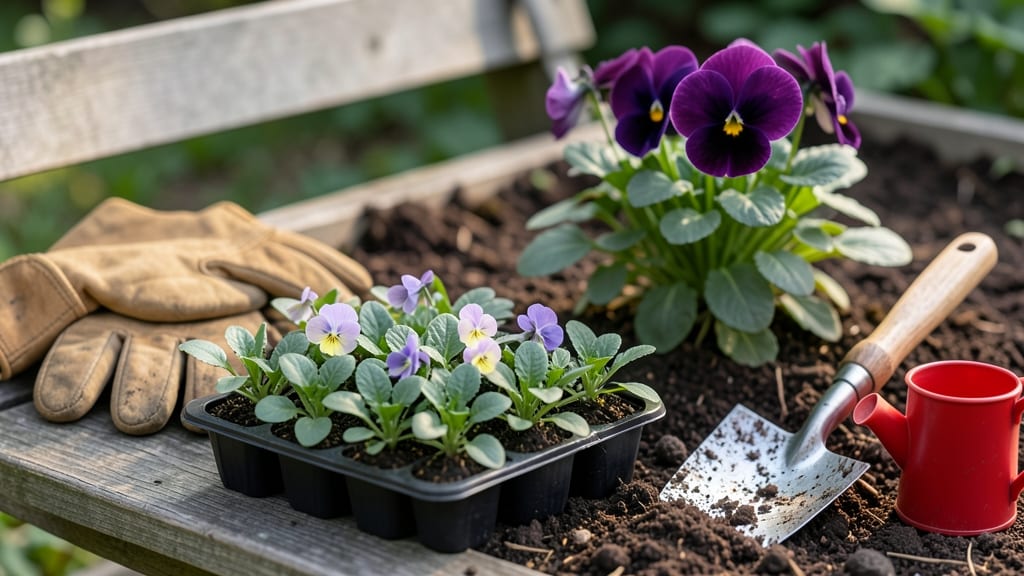
Planting pansies in Georgia at the wrong time can turn your dream flower bed into a sad, wilted mess—especially when you're just 4-6 weeks away from frost.
The key to vibrant blooms lies in timing, and missing the ideal window means battling heat stress or frozen roots before they even take hold.
If you've ever wondered why some gardeners get year-round color while others struggle, the answer starts with understanding Georgia's 7b-8b climate zones.
Fall planting in September or October gives pansies time to establish roots before winter, while spring planting in February or March ensures they bloom before summer heat sets in.
I’ll show you exactly when to plant for frost-free success, how to prep your soil for Georgia’s humidity, and which varieties thrive in your region.
Whether you're a beginner or a seasoned gardener, these tips will help you avoid common mistakes and keep your pansies 🌸 looking their best all season long.
Ready to transform your garden? Let’s dive into the best months to plant—and how to keep those cheerful faces blooming from fall through spring.
Best months to plant pansies in Georgia for frost-free growth
Georgia’s USDA Zones 7b-8b create a unique opportunity for year-round pansy blooms, but timing is critical. Pansies thrive in cool weather and can suffer in summer heat or winter freezes. The ideal planting windows are fall and early spring, when temperatures stay between 50°F and 70°F.
In Georgia, the first frost typically arrives around mid-November, while the last frost lingers until mid-March. Planting too early in summer exposes pansies to heat stress, while planting too late in spring risks frost damage to tender new growth.
For fall blooms, aim to plant 4-6 weeks before the first frost—usually late August to early October. This gives pansies time to establish roots and bloom before winter. For spring color, plant 6-8 weeks before the last frost, typically February to early March.
Visual Guide: Georgia Pansy Planting Timeline
| Season | Planting Window | Ideal Temperature | Key Considerations |
|---|---|---|---|
| Fall | Late August - Early October | 50°F - 70°F | Establish roots before frost; mulch for winter protection |
| Winter | November - January | 32°F - 60°F | Use cold-hardy varieties; protect from hard freezes |
| Spring | February - Early March | 50°F - 70°F | Plant after last frost risk; avoid summer heat |
Georgia’s northern regions (Zone 7b) experience slightly earlier frosts than southern areas (Zone 8b). For example, Athens may see frost by November 10, while Savannah might hold off until November 25. Adjust your planting timeline accordingly.
If you’re planting in August, choose heat-tolerant pansy varieties like Matrix or Cool Wave, which handle up to 80°F better than traditional types. These varieties also rebloom in fall after summer dormancy.
For winter blooms, select cold-hardy pansies rated for 15°F or lower. Varieties like Ice Crystal or Sorbet series thrive in Georgia’s mild winters and often rebloom in early spring.
In spring, avoid planting after mid-March unless you’re in Zone 8b. By April, Georgia’s rising temperatures can cause pansies to bolt (go to seed) prematurely, reducing bloom time.
Pro tip: Use a planting calendar to track your local frost dates. Georgia’s Extension offices provide free frost date maps—download one before your pansy shopping trip!
🌸
Best months to plant pansies in Georgia for frost-free growth
Georgia’s 7b-8b climate means pansies can thrive year-round—but only if you plant them at the right time. The ideal window is September to October for fall blooms and February to March for spring color. Planting outside these months risks heat stress in summer or frost damage in winter.
Fall planting (4-6 weeks before frost) gives pansies time to establish roots before winter chill sets in. Spring planting (6-8 weeks before last frost) ensures they bloom before Georgia’s summer heat peaks. Missing these windows often leads to wilting pansies or stunted growth.
Here’s a quick breakdown of Georgia’s frost dates to guide your planting schedule:
| Season | Planting Window | Key Considerations |
|---|---|---|
| Fall | September–October | Cool temps, 4-6 weeks before frost (avg. Nov 15) |
| Spring | February–March | 6-8 weeks before last frost (avg. March 15) |
| Winter | November (limited) | Mild winters only; use cold-hardy varieties |
For fall planting, aim for September in North Georgia (cooler) or early October in South Georgia (warmer). In spring, February works for North Georgia, while March is safer for South Georgia’s later frost dates.
Pro tip: Start seeds indoors 6-8 weeks before transplanting to extend your growing season. Georgia’s humidity can slow germination, so use a seed-starting mix with perlite for better drainage.
Once planted, monitor soil moisture—Georgia’s summer heat dries out pansies quickly. Mulch with 2-3 inches of straw to retain moisture and protect roots from temperature swings.
Remember, pansies are cool-season flowers, so they’ll bolt (go to seed) in summer heat. Plant shade-tolerant varieties like 'Matrix' or 'Coolwave' to extend blooms into early summer.