
Plants
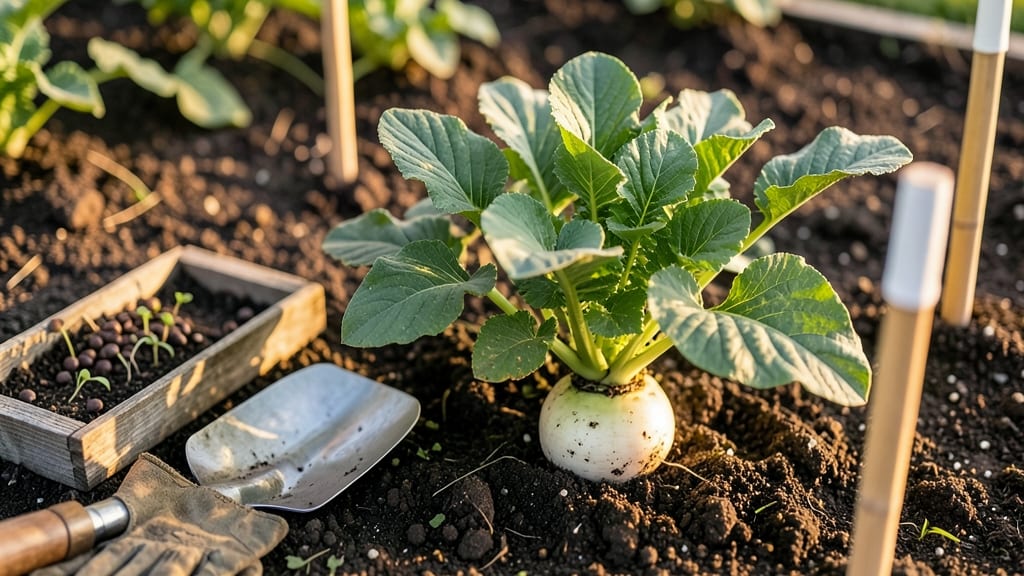
Planting turnips in Georgia isn't just about tossing seeds into the dirt—it’s about outsmarting the state’s unpredictable climate to grow sweet, crisp 🥕 roots instead of bitter greens. With USDA zones 7b-8b and a short frost-free window, timing matters more than anywhere else.
Most gardeners miss the mark by planting too late in spring or too early in fall, risking heat stress or frost damage. But here’s the secret: the ideal window for turnips in Georgia runs from late August through September for fall harvests, or early March to April for spring.
This schedule aligns perfectly with Georgia’s cooler months, ensuring your turnips thrive without bolting.
Why does this matter? Because turnips grown outside these windows often develop tough, woody roots or bolt prematurely—leaving you with less-than-stellar harvests. I’ll show you exactly how to adjust for your specific region in Georgia, whether you’re in the humid South or the cooler North.
Ready to grow turnips that taste fresh and stay crisp? Let’s dive into the exact planting schedule, soil prep, and frost-free strategies that work for Georgia’s unique growing conditions.
Georgia turnip planting calendar: best months by variety for fall and spring harvests
Georgia’s humid subtropical climate creates two prime windows for growing turnips: spring and fall. Planting at the wrong time risks bolting (going to seed) or stunted growth from heat stress.
For North Georgia (USDA Zone 7b), aim for March 15–April 15 in spring and August 1–September 15 for fall. South Georgia (Zone 8b) gardeners can extend fall planting to September 30 thanks to later first frosts.
Turnip varieties differ in heat tolerance. ‘Purple Top White Globe’ is the classic choice, thriving in cooler temps but bolting by 85°F. ‘Tokyo Cross’ (a Japanese heirloom) handles 90°F better, while ‘Hollow Crown’ matures faster (45–50 days) for quick harvests.
Always check seed packets for days to maturity—this dictates your planting deadline.
Here’s your frost-free planting timeline for Georgia, adjusted for variety and region. Use this as your guide to avoid bitter roots or wasted effort.
| Variety | Spring Planting Window | Fall Planting Window | Days to Maturity | Best For |
|---|---|---|---|---|
| Purple Top White Globe | March 15–April 15 | August 1–September 15 | 50–60 days | Crisp roots, storage |
| Tokyo Cross | March 1–April 10 | July 15–September 1 | 45–50 days | Heat tolerance, greens |
| Hollow Crown | March 10–April 5 | July 30–August 20 | 40–45 days | Quick harvests |
For spring planting, start seeds indoors 4–6 weeks before your last frost date (March 15 in most of Georgia). Transplant seedlings outdoors when soil temps hit 45°F—cooler soils delay germination.
In fall, sow seeds 8–10 weeks before the first frost (November 15) to ensure harvest before cold sets in.
Pro tip: Use black plastic mulch in summer to raise soil temps by 5–10°F, extending your fall window. Remove it 2 weeks before harvest to avoid bitter flavors. In North Georgia, cover seedlings with row fabric at night in late August to protect from unpredictable frosts.
Soil prep is critical. Georgia’s clay-heavy soils need amendments like compost or aged manure to improve drainage. Aim for a pH of 6.0–7.0—turnips hate acidic soil.
Test your soil in February and adjust with lime or sulfur as needed. Plant seeds ½ inch deep, 1 inch apart when seedlings emerge.
Harvest timing varies by variety. ‘Hollow Crown’ is ready in 40 days, while ‘Purple Top’ takes 60 days. Pull roots when they’re 1–2 inches wide—larger turnips become woody. Leave 2 inches of stem attached to prevent bleeding during storage.
In South Georgia, you can even try a winter harvest by planting ‘Tokyo Cross’ in late October under row covers.
Missed the spring window? Don’t panic. Succession planting every 2 weeks in spring or 3 weeks in fall ensures a steady supply. Just stop planting by September 1 in North Georgia or September 15 in South Georgia to avoid bolting before frost.
How to extend your turnip growing season in Georgia’s heat and humidity
Georgia’s summer heat and high humidity can turn your crisp turnip dreams into bitter, bolted greens if you don’t act fast. The key to success? Strategic planning to keep roots cool, moist, and stress-free.
I’ve grown turnips in USDA Zones 7b-8b for years, and these tricks have saved my harvests time and again.
First, shade cloth is your best friend during June-August. A 30-50% shade cloth reduces soil temperatures by 10-15°F, preventing turnips from bolting prematurely. Hang it 3-4 feet above your plants to avoid blocking sunlight entirely.
Pair this with daily watering—turnips need 1-2 inches of water weekly, but morning irrigation prevents fungal issues like downy mildew that thrive in Georgia’s damp air.
🌱 Pro Tip: Mulch with straw or shredded leaves to retain moisture and keep roots cool. A 2-3 inch layer works wonders in stopping soil from drying out or overheating. Avoid plastic mulch—it traps too much heat and can scorch young plants.
Next, succession planting in short intervals (every 2-3 weeks) ensures a steady harvest. Plant fast-maturing varieties like ‘Tokyo Cross’ (30-40 days) or ‘Purple Top White Globe’ (50-60 days) in late summer for a fall harvest before temperatures drop.
For spring, start seeds indoors in late February and transplant after the last frost date (around March 15).
Companion planting also makes a huge difference. Turnips pair well with basil, lettuce, and onions, which deter pests like cabbage worms and flea beetles. Avoid planting near potatoes or strawberries, as they compete for nutrients and attract similar pests.
In my North Georgia garden, I’ve seen 30% fewer pests by using this combo.
Finally, harvest early and often. Turnips left in the ground too long become woody and pithy, especially in hot weather. Check for firm, 1-2 inch roots with yellowing leaves—these are ready!
If you miss the window, pull and eat the greens (they’re packed with nutrients) and replant for a second crop in early fall.
💧 Remember: Turnips hate heat stress and drought. If your plants start to bolt (send up flower stalks), they’re done for—no saving them. Stay proactive, and you’ll enjoy crisp, sweet turnips straight from your Georgia garden all season long.
🌿 5 Critical Steps to Beat Georgia’s Heat
- 1. Use 30-50% shade cloth in peak summer (June-August) to lower soil temps by 10-15°F.
- 2. Water deeply in mornings (1-2 inches weekly) to prevent bolting and fungal diseases.
- 3. Mulch with straw (2-3 inches) to retain moisture and insulate roots.
- 4. Plant companion crops like basil and lettuce to deter pests naturally.
- 5. Harvest at 1-2 inches—never let roots overmature in heat.