
Plants
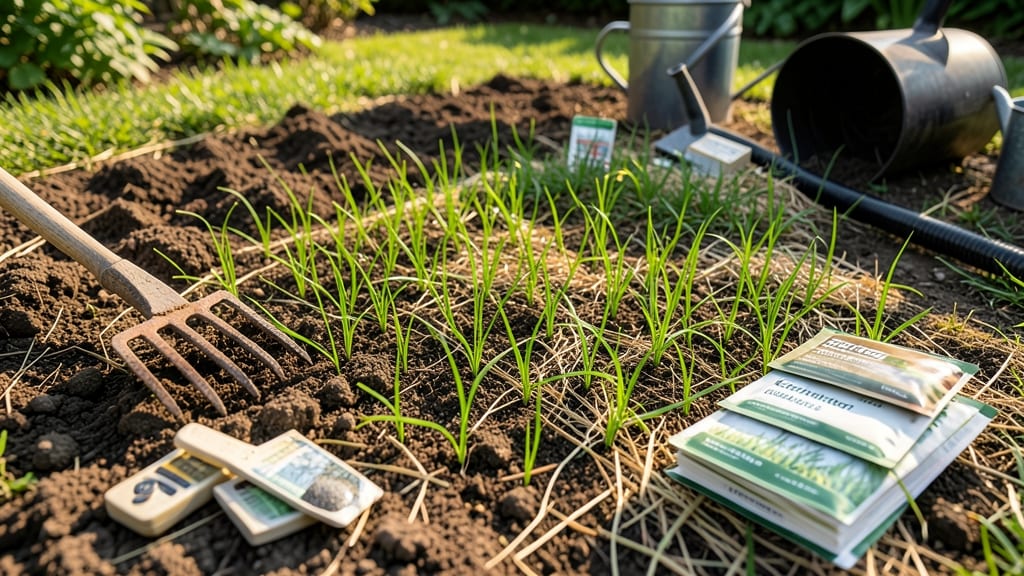
Planting grass seed in Illinois at the wrong time can leave you staring at a patchy lawn instead of the lush 🌱 green carpet you dreamed of.
The best time to plant grass seed in Illinois isn’t just about picking a season—it’s about understanding your local climate zone and soil conditions to maximize success.
Whether you’re in northern Illinois’ 5b zone or southern Illinois’ 6a, timing matters more than you think. Early spring or early fall planting gives your grass seed the ideal conditions to germinate and establish strong roots before extreme heat or cold sets in.
But getting it wrong? That’s how you end up with weeds instead of grass.
I’ve seen firsthand how a well-timed planting can transform a bare yard into a thriving lawn in just a few months.
In this guide, I’ll break down the exact windows—March–May for spring and September–October for fall—plus the critical factors that determine whether your grass will take off or fail.
Ready to stop guessing and start growing? Let’s dive into the science behind Illinois’ best planting times and the simple steps to ensure your grass seed thrives, no matter which season you choose.
Optimal Illinois grass seed planting times: spring vs fall comparison
Deciding between spring and fall planting for your Illinois lawn? Both seasons offer advantages, but the best choice depends on your grass type, soil conditions, and local climate.
Cool-season grasses—like Kentucky Bluegrass and Tall Fescue—thrive when planted in either early spring or early fall, but timing matters more than you might think.
In Illinois, where USDA Zones 5b-6a dominate, the ideal window for spring planting stretches from March to early May, while fall planting peaks in September and October.
The key is avoiding extreme heat or frost, which can stress young seedlings. Let’s break down the pros, cons, and regional nuances to help you pick the perfect moment.
🌱
| Factor | Spring Planting (March–May) | Fall Planting (September–October) |
|---|---|---|
| Soil Temperature | 50–70°F (10–21°C) | 50–65°F (10–18°C) |
| Rainfall | Moderate (April showers) | Higher (September–October) |
| Weed Competition | High (spring weeds germinate early) | Lower (weeds slow in cooler temps) |
| Establishment Time | 6–8 weeks before summer heat | 8–10 weeks before frost |
| Best for Illinois Regions | Northern IL (Zone 5b) | Southern IL (Zone 6a) |
Spring planting in Illinois gives you a head start, but you’ll need to water diligently as summer heat arrives. The soil temperature must stay above 50°F (10°C) for seeds to germinate, so avoid planting too early in March—especially in northern Illinois, where frost can linger.
For southern Illinois, late March to early April is ideal.
Fall planting, on the other hand, offers cooler temperatures and lower weed pressure, giving seedlings a smoother start. Aim for September to early October, ensuring the grass has 4–6 weeks to establish roots before the first frost.
In Zone 6a, this typically means planting by mid-October at the latest.
Regional differences matter too. Northern Illinois (near Chicago) has a shorter growing season, so fall planting is often the safer bet. Meanwhile, southern Illinois (like St. Louis) can push spring planting later into May without risking summer drought stress.
🌿
Pro tip: Check your soil temperature with a soil thermometer—it’s the ultimate tiebreaker. If it’s consistently above 50°F (10°C) for at least a week, your seeds are ready to go. For cool-season grasses, this usually aligns with late April for spring or mid-September for fall.
Ultimately, both seasons work, but fall planting is often recommended for Illinois gardeners because it reduces weed competition, watering demands, and heat stress. However, if you’re starting a lawn in spring, prioritize early planting and consistent moisture to give your grass the best shot at success.
Optimal Illinois grass seed planting times: spring vs fall comparison
Illinois gardeners face a critical decision: spring or fall planting for grass seed? Both seasons offer advantages, but the best time depends on your grass type and local microclimate.
Cool-season grasses like Kentucky Bluegrass and Tall Fescue thrive in early spring (March–May) or early fall (September–October), when soil temperatures hover between 50°F–65°F (10°C–18°C)—perfect for germination.
Northern Illinois (USDA Zones 5a–5b) has earlier frost dates, so timing shifts slightly. Southern Illinois (Zones 6a–6b) enjoys longer growing seasons, giving you more flexibility. For example, Chicago’s last frost typically falls around April 15, while Southern Illinois may wait until May 1.
Always check your local frost dates—they’re your planting deadline.
🌱 Spring vs. Fall Planting Comparison
| Factor | Spring Planting (March–May) | Fall Planting (September–October) |
|---|---|---|
| Soil Temperature | 50°F–65°F (10°C–18°C) | 55°F–65°F (13°C–18°C) |
| Weed Competition | High (weeds germinate early) | Low (weeds dormant in fall) |
| Watering Needs | Moderate (spring rains vary) | Higher (cooler temps = less evaporation) |
| Establishment Time | 6–8 weeks (before summer heat) | 4–6 weeks (before frost) |
| Best For | Repairing winter damage | Full root development before winter |
🌿 Pro Tip: Fall planting often yields thicker, healthier lawns with less weed pressure.
Spring planting gives your lawn a head start, but fall planting (especially September) is ideal for deep root growth before winter. If you choose spring, aim to finish by mid-May to avoid summer drought stress.
For fall, plant by mid-October to allow 4–6 weeks of growth before frost.
Regional differences matter: Northern Illinois gardeners should prioritize fall planting due to shorter summers, while Southern Illinois can stretch into early November. Always test your soil temperature—use a soil thermometer to confirm it’s above 50°F (10°C) before planting.
Cool-season grasses won’t germinate in cold soil, no matter the season.
One critical factor often overlooked is soil moisture. Spring planting relies on rainfall, while fall planting benefits from cooler temps that reduce evaporation. If your area experiences dry spells, fall is the safer bet.
For wet springs, spring planting can work—just avoid muddy conditions to prevent compaction.
Ready to plant? Kentucky Bluegrass and Tall Fescue are top choices for Illinois, but Fine Fescue tolerates shadier spots. Whichever you pick, prep your soil with compost and a light fertilizer (like 24-0-5) for best results.
Timing isn’t just about the calendar—it’s about soil, weather, and grass type working together.