
Plants
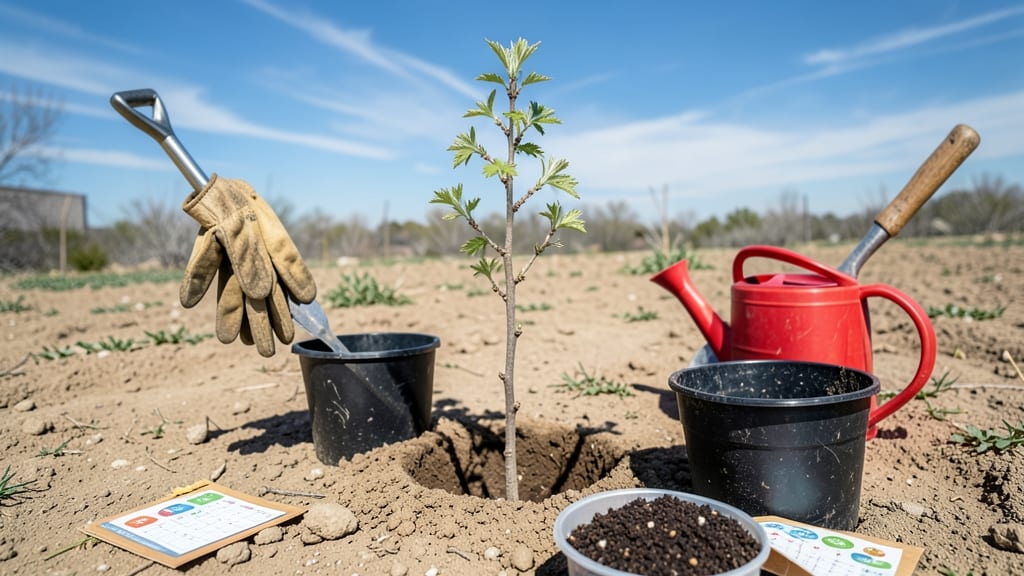
Planting a tree in Colorado isn’t just about grabbing a shovel and digging—it’s about when is the best time to plant a tree in Colorado outsmarting the state’s unpredictable frost dates and microclimates that can turn a $200 investment into a sad, stunted sapling.
Whether you're in Denver’s urban canyons or the high-altitude mountains near Colorado Springs, timing matters more than most gardeners realize.
Most guides tell you to plant in late spring or fall, but that’s too vague for Colorado’s dramatic elevation shifts. At 5,000 feet in Denver, your last frost might hit April 15, while just 100 miles west in Grand Junction, you could still see frost in early May.
That’s why localized knowledge is your secret weapon—knowing when to plant a deciduous oak vs. an evergreen spruce could mean the difference between a thriving 🌳 and a failed experiment.
I’ve spent years watching Colorado’s trees struggle—and succeed—and the patterns are clear. The best windows aren’t just about the calendar; they’re about soil warmth, frost pockets, and even the direction your yard faces.
In this guide, I’ll break down the exact timing for your specific elevation zone, so you can plant with confidence, whether you’re in the Front Range’s 5b or the Western Slope’s 7a.
Ready to stop guessing and start growing? Let’s dive into the microclimate secrets that will help your tree take root faster, survive Colorado’s wild swings, and give you shade for decades—not just a few seasons.
Colorado’s 3 planting windows by elevation: Front Range vs. mountains vs. Western Slope
Colorado’s diverse elevations create wildly different planting conditions. The Front Range (Denver, Boulder) thrives with fall planting (September-October), while mountain zones (Aspen, Estes Park) demand late spring (May-June) to avoid early frosts. The Western Slope (Grand Junction, Durango) often allows year-round planting thanks to milder winters.
Each zone has unique soil prep needs—Front Range soils need compost amendments, while mountain soils benefit from gravel mixes to prevent compaction.
Your elevation zone dictates more than just timing—it affects tree species selection and watering schedules. At 5,000–7,000 ft, oaks and maples establish best in fall, but at 9,000+ ft, spruces and pines prefer spring planting.
The Western Slope’s arid climate means deeper watering holes (18" deep) are critical, while Front Range urban areas need mulch rings to combat heat stress.
Colorado’s Planting Windows by Elevation
| Elevation Zone | Best Planting Window | Soil Prep Key | Frost Risk | Species Tip |
|---|---|---|---|---|
| Front Range (5,000–7,000 ft) | Fall (Sept–Oct) or Early Spring (March–April) | Add compost + mycorrhizal fungi | Moderate (April 15 last frost) | Hackberry, Colorado blue spruce |
| Mountains (7,000–9,000 ft) | Late Spring (May–June) | Gravel + organic matter blend | High (May 1 last frost) | Engelmann spruce, limber pine |
| Western Slope (4,000–6,000 ft) | Fall or Year-Round (except winter) | Deep sand + clay mix | Low (April 5 last frost) | Russian olive, desert willow |
I once planted a Colorado blue spruce in Denver in October—it thrived because the cool soil temps reduced transplant shock. But a friend’s maple in Boulder’s foothills failed when planted in September due to a 48-hour freeze.
The lesson? Check your microclimate—urban canyons stay colder longer than open fields.
For bare-root trees, the dormant season (November–March) is ideal—roots won’t dry out. Container-grown trees, however, can handle fall planting until October 15 in most zones. The Western Slope’s warmer microclimates let you plant Russian olive even in November, but avoid winter planting—frozen roots are a death sentence.
Soil temperature is your secret weapon. Use a soil thermometer—ideal planting temps are 40–60°F. In Denver (Zone 5b), wait until soil hits 50°F in spring.
In Grand Junction (Zone 7a), you can plant desert willow as late as November 1 if soil stays above 45°F. Pro tip: Mulch 3–4 inches deep to regulate temps.
Watering schedules shift by zone too. Front Range trees need 15 gallons weekly in summer, while Western Slope species like Russian olive thrive on 10 gallons biweekly.
Mountain trees? Deep soaks every 10 days prevent root rot in compacted soils. Always water slowly and deeply—shallow puddles encourage weak roots.
Don’t overlook windbreaks in exposed sites. A burlap barrier on the windward side can double survival rates for young trees in Boulder’s foothills. And if you’re planting near power lines, choose dwarf varieties—Colorado blue spruce ‘Glauca Globosa’ stays under 10 ft tall.
Timing isn’t just about the calendar—it’s about reading your land. Observe where snow lingers longest (mountain slopes) or where heat pools (urban sidewalks). These microclimate clues will tell you exactly when to dig.
Ready to plant? Grab your soil thermometer and check your zone’s last frost date. Then mark your calendar: Front Range = September 15, Mountains = May 15, Western Slope = November 1. Your tree’s future starts with these dates.
Microclimate hacks: how to outsmart Colorado’s unpredictable frost zones
Colorado’s microclimates can turn a perfect planting day into a frosty nightmare overnight. In Denver’s urban canyons, temperatures can drop 10°F faster than nearby suburbs, while Boulder’s foothills trap cold air like a bowl. Understanding these hidden frost pockets is key to giving your tree the best shot at survival.
Even if you’ve nailed the planting window, a late frost can kill new roots before they establish. For example, a Colorado blue spruce planted in late September might survive in Colorado Springs (Zone 6a) but could suffer in Denver’s Zone 5b if a 48-hour freeze hits in October.
The solution? Microclimate adjustments that protect your investment.
- Denver (Zone 5b): Last frost April 15, first frost October 20—plant bare-root trees in late March or early September.
- Colorado Springs (Zone 6a): Last frost April 10, first frost October 15—extend fall planting to mid-October for hardy species.
- Grand Junction (Zone 7a): Last frost April 5, first frost November 10—plant evergreens in fall to avoid summer drought stress.
One of the simplest microclimate hacks is using windbreaks. A temporary fence or evergreen hedge (like juniper) can reduce wind chill by 5–10°F, protecting young trees in open areas.
For example, planting near a southeast-facing slope in the mountains captures warm afternoon sun, delaying frost formation by 2–3 hours.
Soil insulation is another game-changer. In high-altitude zones (7,000+ ft), spread 4–6 inches of mulch (straw or wood chips) around the root zone to regulate temperature. This trick works especially well for deciduous trees like hackberry, which struggle with sudden temperature swings.
Just avoid piling mulch against the tree trunk—keep it 3 inches away to prevent rot.
Species selection matters just as much as timing. In arid Western Slope areas, opt for drought-tolerant trees like Russian olive or four-wing saltbush, which handle hot days and cold nights better than moisture-loving species.
Meanwhile, in mountain microclimates, Engelmann spruce thrives in shady, moist pockets where other trees fail.
Finally, monitor local weather patterns using tools like the Colorado Climate Center’s frost forecast. If a 48-hour freeze is predicted after planting, cover young trees with burlap sacks or frost blankets—just remove them during the day to avoid heat buildup.
With these microclimate strategies, you’ll turn Colorado’s unpredictable frost zones into advantages for your trees.