
Plants
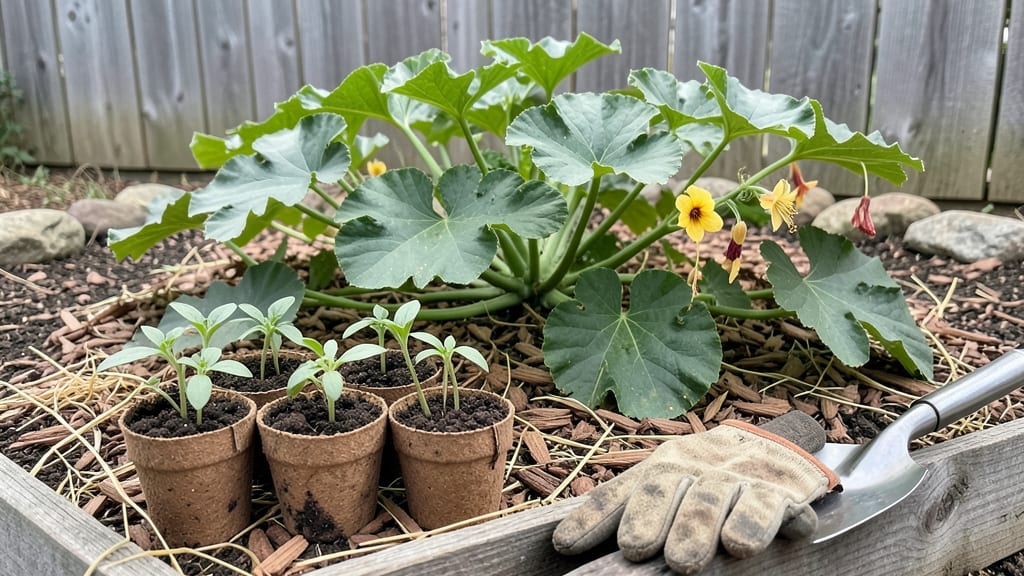
Planting watermelons in Alabama can feel like a high-stakes game of timing—get it right, and you’ll enjoy juicy 🍉 harvests from July to September; get it wrong, and you might end up with wilted vines or missed opportunities.
The key isn’t just avoiding frost (which usually hits around mid-March) but waiting for soil temperatures to hit that sweet spot of 70°F or warmer.
Most Alabama gardeners know the general window—mid-April to early June—but the real secret lies in your specific 7b-8b zone. In North Alabama, where nights stay cooler longer, you might need to wait until late April, while Southern gardeners can start as early as mid-April.
The goal? Give those vines enough heat to spread their 10-20 ft reach without racing against summer’s end.
Whether you’re starting seeds indoors or sowing directly, understanding these triggers makes all the difference. I’ll break down the exact dates, soil prep tips, and even how to adjust for Alabama’s unpredictable weather—so you can skip the guesswork and head straight to harvest season.
Ready to turn your garden into a watermelon oasis? Let’s dive into the perfect planting schedule for your corner of Alabama, because timing isn’t just about when—it’s about how you set your plants up to thrive.
Alabama watermelon planting dates by hardiness zones (soil temp & heat zone guide)
Alabama’s 7 USDA hardiness zones (6A-8B) create dramatic differences in watermelon planting windows. In North Alabama (6A-7A), you’ll need to wait until mid-April to late April after the last frost, while South Alabama (8A-8B) gardeners can plant as early as mid-March for early varieties.
The key trigger isn’t frost dates but soil temperature—watermelons won’t germinate well below 60°F and thrive best at 70°F+.
Use a soil thermometer to confirm readiness. In zone 7A, aim for April 15-30 for direct sowing, while zone 8B can start as early as March 1-15. For container gardening, extend your window by 2-3 weeks since pots warm faster.
Always plant after your average last frost date, which ranges from March 15 in Mobile to April 15 in Huntsville.
🌱 🌱 🌱
| USDA Zone | Last Frost Date | Optimal Planting Window | Soil Temp Trigger | Heat Zone Notes |
|---|---|---|---|---|
| 6A (North AL) | April 15 | May 1-15 | 70°F+ | Short growing season; use early varieties |
| 7A (Central AL) | March 30 | April 15-May 1 | 65°F+ | Moderate heat; good for mid-season varieties |
| 7B (Central AL) | March 20 | April 1-May 15 | 68°F+ | Longer season; try late varieties |
| 8A (South AL) | March 1 | March 15-April 30 | 60°F+ | Early planting possible; high humidity risk |
| 8B (South AL) | February 28 | February 15-April 15 | 58°F+ | Extended season; ideal for heat-tolerant varieties |
For North Alabama gardeners (zones 6A-7A), focus on early-maturing varieties (60-70 days) to avoid first frost risks in November. In South Alabama (8A-8B), you can experiment with late-season varieties (80-90 days) for harvests into October.
Always stagger plantings every 2 weeks to extend your harvest window—this works especially well in zone 7B and warmer.
Pro tip: Use black plastic mulch to warm soil faster in cooler zones. This can push your planting window 1-2 weeks earlier by raising soil temperatures by 5-10°F. In zone 6A, this difference might mean the difference between a successful harvest and a failed crop.
For container growing, use 5-gallon pots and plant 2 weeks after your zone’s last frost date to account for slower soil warming.
Watch for unpredictable late frosts even in warm zones—Mobile’s zone 8B has seen frost as late as April 10. Use frost cloth for early plantings in all zones until nighttime temperatures stay above 50°F consistently.
In zone 7A and cooler, consider starting seeds indoors (4-6 weeks before last frost) to get a head start on the season.
Remember: Watermelons hate cold soil. If you plant too early and soil temps drop below 55°F, seeds may rot in the ground. Use a soil thermometer for 3 consecutive days above 60°F before planting.
In zone 8B, this might mean waiting until mid-March even if frost risk is low.
🌡️ For zone 7B gardeners, aim for April 15 as your cutoff for direct sowing. After this date, soil temperatures often exceed 70°F, creating ideal conditions for 70-80 day varieties. In <
How to adjust planting timing for Alabama’s unpredictable weather patterns
Alabama’s spring weather can be as unpredictable as a tornado warning. One day it’s 60°F and sunny, the next it drops to 40°F with frost. To protect your watermelon seedlings, I’ve learned to use soil warming tricks and staggered planting—here’s how I do it.
First, always check your soil temperature with a thermometer. Watermelons need at least 70°F soil to germinate. In North Alabama (Zone 7a), this usually happens by mid-May, while South Alabama (Zone 8a) can start as early as late April.
If your soil is still cold, cover it with black plastic mulch for 1-2 weeks to warm it up faster.
For extra insurance, I stagger my plantings by 2 weeks. Start with early-season varieties like ‘Sugar Baby’ in late April, then follow up with mid-season types like ‘Crimson Sweet’ in early May. This spreads out your harvest and reduces the risk of losing everything to one late frost.
In South Alabama**, where summers are longer, you can even squeeze in a second planting in July for a fall harvest.
Alabama’s summer humidity can also stress watermelons, especially during flowering. If temperatures soar above 90°F, use shade cloth (30-50%) during the hottest hours to protect young plants. I also water deeply in the early morning to keep soil moisture consistent without promoting fungal diseases.
Mulch heavily with straw or grass clippings to retain moisture and regulate soil temperature.
Finally, keep an eye on your local weather patterns. If you notice unusually warm springs (like we’ve had in recent years), you might safely plant watermelons 2-3 weeks earlier.
Conversely, if spring drags on cold, delay planting until mid-May to avoid frost damage. The key is flexibility—adjust your schedule based on what Alabama throws at you each year.
With these adjustments, you’ll beat Alabama’s weather whiplash and enjoy a longer harvest season with fewer surprises. The first slice of homegrown watermelon after all that work? Worth every minute of planning. 🍉