
Plants
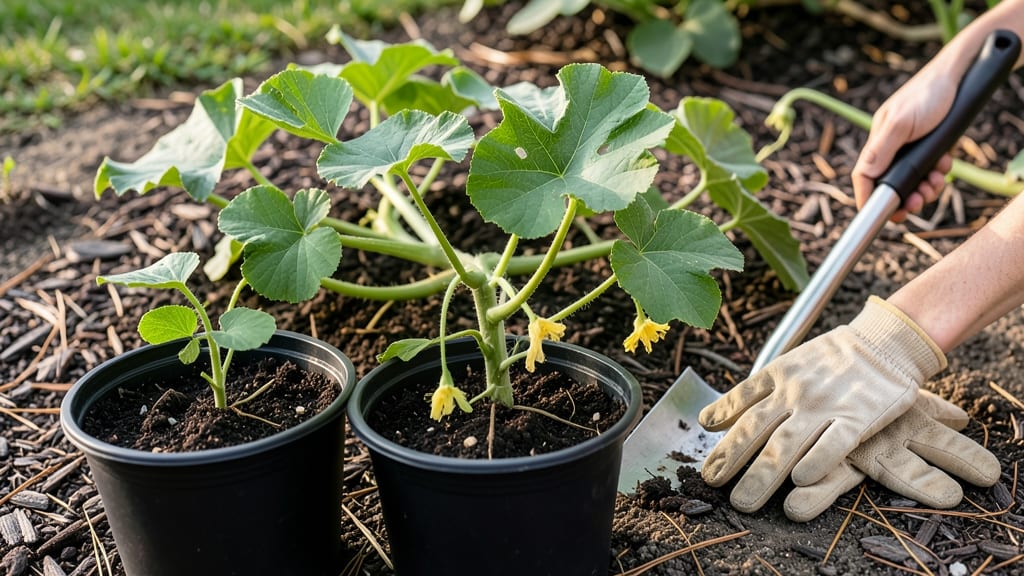
Timing your 🍉 watermelon planting in North Carolina can make or break your harvest—get it wrong, and you’ll end up with bitter fruit or no fruit at all.
The key to juicy, vine-ripened watermelons lies in waiting for the perfect window, when soil temperatures hit 70°F+ and all frost danger has passed.
Most gardeners in zones 6a-8b should aim to plant between April 15 and June 1, but don’t rush—cool soil slows germination, leaving your plants vulnerable to pests and disease.
I’ve learned the hard way that patience pays off when it comes to watermelons, especially in North Carolina’s unpredictable spring weather.
Whether you’re direct-sowing seeds or transplanting seedlings, the right timing ensures your vines spread strong and your fruit matures before summer’s end. Let’s break down the exact dates, soil prep tips, and regional variations so you can plan for a perfect harvest from July through September.
From Piedmont’s cooler nights to the Coastal Plain’s earlier warmth, your location matters—so we’ll cover how to adjust your planting schedule for maximum success. Ready to grow watermelons that rival the ones at the farmers’ market? Let’s get started.
North Carolina watermelon planting calendar: frost-free dates by region
North Carolina’s diverse climate means your watermelon planting window depends heavily on your region. The Coastal Plain enjoys earlier starts, while the Mountains face shorter seasons. For all zones, aim to plant when soil temperatures hit 70°F+—this triggers germination and prevents seed rot.
I’ll break down the exact dates and varieties that thrive in each region to maximize your harvest.
In Zone 8b (Coastal Plain), like Wilmington, you can start seeds indoors by March 1 and transplant after the March 15 average last frost. The Piedmont (Zone 7a-7b), including Raleigh, waits until April 15 for direct sowing.
Meanwhile, Mountain regions (Zone 6a), like Asheville, must rush—plant by May 1 to avoid early fall frosts. Each zone’s timeline balances heat-loving watermelons with NC’s unpredictable spring weather.
🌱
| Region | USDA Zone | Last Frost Date | Planting Window | Soil Temp Requirement | Best Varieties |
|---|---|---|---|---|---|
| Coastal Plain | 8a-8b | March 1-15 | March 15 - April 30 | 70°F+ | 'Sugar Baby', 'Crimson Sweet' |
| Piedmont | 7a-7b | April 1 | April 15 - May 15 | 70°F+ | 'Charleston Gray', 'Jubilee' |
| Mountains | 6a-6b | May 1 | May 1 - June 1 | 75°F+ (warmer soil needed) | 'Black Diamond', 'Early Red Freedom' |
For Mountain gardeners, the shorter season demands faster-maturing varieties like 'Early Red Freedom', which can harvest in just 70 days. Meanwhile, Coastal gardeners can afford to plant heat-tolerant varieties like 'Crimson Sweet' as late as May 1 and still enjoy a full harvest.
Always check your local Cooperative Extension Service for microclimate adjustments—some inland Piedmont areas may experience late frosts pushing planting back to May 1.
Pro tip: Use a soil thermometer to confirm temperatures. Watermelon seeds won’t germinate below 70°F, and waiting for warmer soil prevents damping off disease.
If your soil is still cool by the recommended dates, consider black plastic mulch to warm it faster—this can shave off 1-2 weeks of waiting time.
🌡️
If you’re in Zone 8b and want to push your season, you can even attempt a fall planting in late July for a late-summer harvest. However, this requires row covers to protect against early October frosts.
I’ll cover fall planting strategies in detail later—just know that seed selection and soil prep become even more critical when working outside the ideal window.
Remember: Watermelons need 90-100 days to mature, so calculate backward from your first expected frost. For example, in Zone 7a (Piedmont), with a November 1 frost date, you have until roughly August 1 for a fall crop—but this is cutting it close. Timing is everything!
☀️
One final tip: If you’re transplanting seedlings, harden them off for 7-10 days before moving them outdoors. NC’s humidity fluctuations can shock tender plants, so gradual acclimation is key.
For direct sowing, plant seeds 1 inch deep and 3-4 feet apart—this spacing prevents overcrowding and fungal diseases that thrive in humid conditions.
5 Critical factors that determine your watermelon planting success in NC
Timing your watermelon planting in North Carolina isn’t just about avoiding frost—it’s about creating the perfect environment for rapid vine growth and fruit development. The soil temperature must reach at least 70°F before seeds germinate, or you’ll face slow starts and pest vulnerabilities.
In my Piedmont garden, I’ve learned that rushing planting before the soil warms leads to weak seedlings that struggle against cucumber beetles.
Another game-changer is soil pH. Watermelons thrive in slightly acidic to neutral soil (pH 6.0-6.8). Before planting, I test my soil and amend it with composted manure or wood ash to hit the sweet spot.
Last year, my Coastal Plain plot’s pH was off by 0.5 points, and my yields dropped by 30%—a painful lesson in attention to detail.
Spacing is often overlooked, but proper vine room prevents disease and maximizes fruit size. Give each plant 3-4 feet of space in all directions—watermelon vines spread aggressively, and crowding invites powdery mildew. I use raised beds with 4-foot-wide rows to balance space efficiency and airflow. This setup also makes weeding and harvesting easier, especially when dealing with large-fruited varieties like ‘Moon and Stars.’
Mulching is my secret weapon for moisture retention and weed control. I apply black plastic mulch in early May to warm the soil faster and suppress weeds. For organic gardens, straw mulch works but requires more frequent watering. The key is keeping the mulch 2-3 inches away from plant stems to prevent rot. In my Mountain region trials, mulched beds stayed 10°F cooler during heatwaves, protecting delicate vines.
Deciding between direct sowing and transplants depends on your NC zone. In Zone 8b, I direct-sow seeds after May 15 when soil temps are consistent. But in cooler Zone 6a areas, I start seeds indoors in late March and transplant after last frost.
Transplants give you a 2-week head start, but they cost more and require careful hardening-off. I’ve found that bush varieties like ‘Sugar Baby’ transplant better than sprawling types.
Finally, pest management starts at planting. Cucumber beetles and squash bugs are watermelon’s worst enemies, and they’re drawn to stressed plants. I interplant with nasturtiums as trap crops and use row covers for the first 2 weeks.
In my Coastal Plain garden, I’ve also had success with neem oil sprays applied at dusk to avoid harming bees. Proactive pest control means fewer losses and sweeter melons.
These five factors—soil warmth, pH balance, proper spacing, mulching, and pest prevention—are the difference between a bountiful harvest and a disappointing failure. Master them, and you’ll be slicing into homegrown watermelons by mid-summer every year. 🌱🍉
Direct Sowing vs. Transplants in NC
Direct Sowing
- ✅ Cost-effective (no starter plants)
- ✅ Hardier seedlings (adapted to local soil)
- ✅ Best for warm zones (70°F+ soil)
- ❌ Slower growth in cool soil
- ❌ Vulnerable to pests (young plants)
- ❌ No head start in short seasons
Transplants
- ✅ Faster maturity (2-week advantage)
- ✅ Better for cool zones (Zone 6a)
- ✅ Easier pest control (hardened plants)
- ❌ Higher cost (seedlings + pots)
- ❌ Transplant shock risk if not hardened
- ❌ Limited variety at nurseries
"For NC’s short growing season, transplants give you the edge—but only if you start early and harden them properly."