
Plants
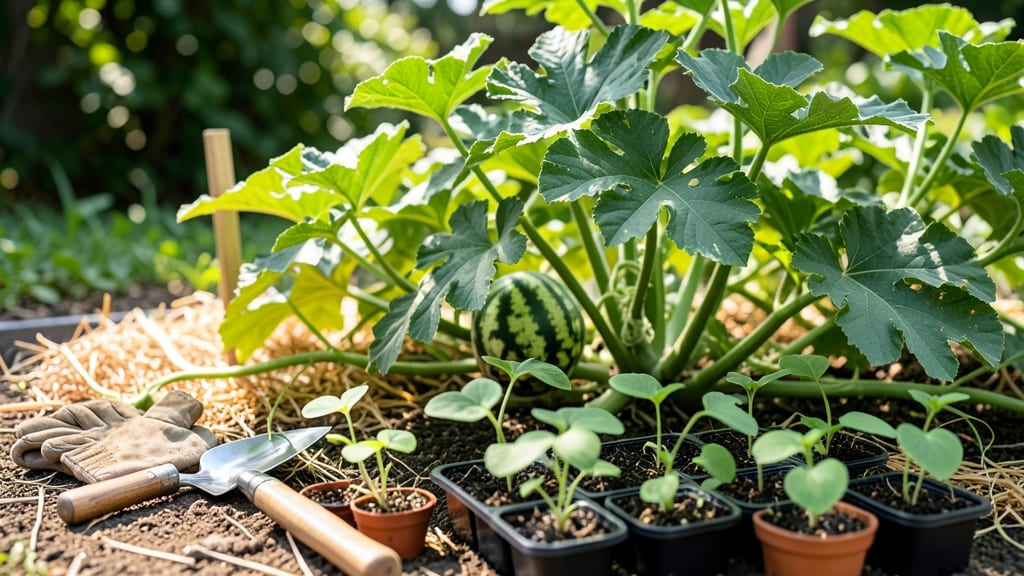
Planting watermelons in Texas isn't just about throwing seeds in the dirt—it's about timing them perfectly to beat the heat and frost battles that can ruin your harvest.
The right window means the difference between juicy, vine-ripened 🍉 glory and wilted disappointment, especially when temperatures swing from chilly mornings to scorching afternoons.
If you're in North Texas (Zone 8a), your best bet is mid-March to early May, giving those melons 75-90 days of warm weather before fall frost creeps in.
But down in South Texas (Zone 10b), you've got flexibility—plant late July to early September for a fall harvest that thrives in the milder autumn air.
Here's the game-changer: soil temperature matters more than the calendar. Watermelons need 70°F+ soil to germinate, so don't rush—wait for that last frost warning to fade. I'll show you how to adjust for urban heat islands, staggered planting tricks, and even heat-tolerant varieties that won't bolt in Texas' brutal summers.
Ready to grow watermelons that put grocery-store ones to shame? Let's dive into the exact planting schedule, soil prep secrets, and regional tweaks that'll have your vines sprawling with sweet, ripe fruit by harvest time.
Texas heat-Zone planting calendar: optimal watermelon dates by region
Texas spans 11 heat zones (A-K), each with unique frost patterns and growing seasons. Watermelons thrive in zones 8a-10b, but timing varies drastically—from North Texas' short 180-day summers to South Texas' year-round growing potential.
The key is planting when soil hits 70°F (21°C) and counting back 75-90 days to your first frost date.
For North Texas (Zones 8a-8b), like Dallas or Fort Worth, aim for mid-March to early April for spring harvests. South Texas (Zones 9a-10b), including Houston and the Rio Grande Valley, can plant year-round but focuses on late February to early May for spring and July to early September for fall crops.
Urban areas like Austin often face microclimates—plant 1-2 weeks later if your yard stays cooler than surrounding areas.
| Texas Heat Zone | Last Frost Date | Spring Planting Window | Fall Planting Window | Harvest Months |
|---|---|---|---|---|
| North (8a-8b) | Feb 15 - Mar 1 | Mid-Mar to early Apr | Late Jul to early Aug | June - Aug |
| Central (8b-9a) | Feb 28 - Mar 15 | Late Feb to early Apr | Early Jul to mid-Aug | May - Sep |
| South (9b-10b) | Jan 1 - Feb 15 | Late Feb to early May | Mid-Jul to early Sep | Apr - Nov |
🌱 Note: Adjust for urban heat islands by planting 1-2 weeks later
In East Texas (Zones 8a-8b), like Tyler or Longview, humidity demands well-draining soil to prevent rot. West Texas (Zones 8b-9a), including Lubbock or Midland, benefits from black plastic mulch to retain moisture in dry conditions. Coastal areas (Zones 9a-10a) like Galveston can plant year-round but watch for hurricane season disruptions in late summer.
For fall harvests, Texas gardeners often plant late July to early September to beat the first frost (which hits North Texas by December 1 and South Texas by November 15). Staggered planting—sowing seeds every 2 weeks—extends your harvest window by 3-4 weeks and ensures continuous fruiting.
Pro tip: Use a soil thermometer to confirm 70°F+ soil temps before planting. Cold soil delays germination and weakens seedlings. South-facing beds warm up faster, making them ideal for early spring plantings in cooler zones like Panhandle Texas (Zone 8a).
If you're in Zone 10b (Rio Grande Valley), you can grow watermelons year-round, but summer heat (above 95°F) stresses plants. Shade cloth or drip irrigation helps maintain soil moisture during peak heat. Fall planting in this region often yields sweeter, higher-quality fruit due to cooler nights.
Remember: Texas' summer heat can accelerate growth, so monitor vines closely. Overheated soil (above 90°F) may cause blossom drop or poor fruit set. Mulch heavily to keep roots cool and hydrated during June-August heatwaves.
For container growing, plant 1-2 weeks later than ground plantings—pots heat up faster. Choose compact varieties like 'Sugar Baby' or 'Tiny Tim' for 5-gallon buckets
Signs your Texas watermelon planting timing is perfect (or wrong)
Timing your watermelon planting in Texas isn't just about checking a calendar—it's about reading your plants and soil like a pro. Perfect timing means your seedlings sprout quickly, leaves unfurl within 7-10 days, and flowers appear by week 4-5.
If your plants look lethargic or soil stays cold, you’ve likely planted too early. Soil temperature is your best indicator: use a soil thermometer to confirm it’s hit 70°F (21°C) before planting.
One of the first red flags is slow leaf growth or yellowing foliage—this often means your seedlings are struggling with cold soil or late frost risks.
In North Texas, planting before April 15 risks frost damage, while South Texas gardeners can start as early as mid-February in heat zones 9b-10b. Pay attention to local microclimates, too: urban areas like Austin or Dallas can be 5-10°F warmer than rural spots, speeding up growth.
Here’s how to spot ideal planting timing vs. mistakes:
⚠️ Warning: Common Planting Mistakes in Texas
- Planting too early: Seedlings wilt or die in 40-50°F soil (common in March for North Texas).
- Ignoring heat zones: Planting 'Sugar Baby' in Zone 8a too late risks heat stress before harvest.
- Skipping soil temp checks: 60°F soil = stunted growth; 70°F+ = rapid sprouting.
- Overcrowding seedlings: Leaves touch at 2 weeks? Thin to 24 inches apart to avoid disease.
Pro Tip: Black plastic mulch warms soil 5-10°F faster—use it to extend your planting window by 2-3 weeks.
Another key sign is flower appearance. Healthy watermelon plants should produce male flowers first (smaller, on long stems) followed by female flowers (with tiny fruits at the base) within 2-3 weeks. If flowers drop off without setting fruit, your plants may be stressed from heat or nutrient-deficient.
In Central Texas, planting after May 15 often leads to poor pollination due to 100°F+ temps.
For fall harvests, aim to plant late July to early August in North Texas so fruits mature before the first frost (Nov 15-Dec 1). Look for vines yellowing by September—this signals it’s time to harvest or cover plants if frost threatens.
In South Texas, you can plant year-round, but summer planting (June-August) risks pest pressure like cucumber beetles or squash bugs.
Use this quick troubleshooting checklist if your watermelons underperform:
- ✅ Soil temp <65°F? Wait 1-2 weeks or use mulch.
- ✅ No flowers by week 6? Add phosphorus-rich fertilizer (e.g., 10-20-10).
- ✅ Flowers but no fruit? Hand-pollinate or check for pests.
- ✅ Fruits crack or rot? Reduce watering or improve drainage.
Remember, Texas watermelons thrive on consistency. Whether you’re in El Paso (Zone 8a) or Houston (Zone 9a), soil temperature and local frost dates are your best friends. Master these signs, and you’ll go from store-bought slices to vine-ripened perfection every season. 🌱