
Plants
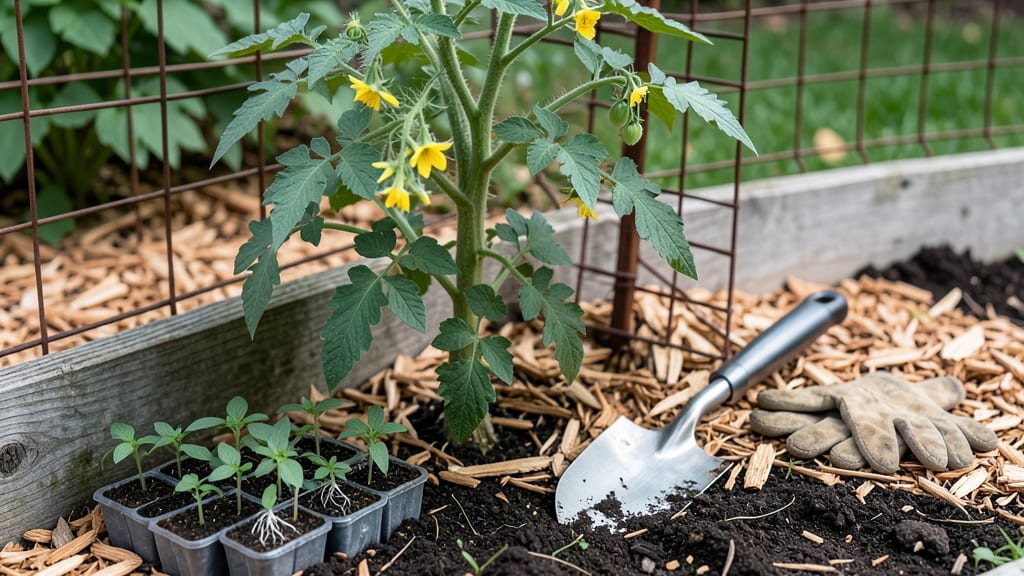
If you're dreaming of planting tomatoes in Kentucky this summer, the state’s 6a-7a climate gives you a prime window—but timing is everything. Get it wrong, and you’ll miss the sweet spot between frost and heat.
The key is planting after your last frost date, which typically lands between April 15 and May 15, depending on whether you're in Western, Central, or Eastern Kentucky.
Starting seeds indoors 8-10 weeks before your target transplant date is a game-changer, especially for heat-sensitive varieties. But don't worry if you prefer direct-sowing—just wait until soil temperatures hit 60°F and nighttime lows stay above 50°F. This ensures your seedlings won't bolt or struggle in Kentucky's unpredictable spring weather.
What makes Kentucky unique? Microclimates mean your neighbor's perfect harvest might not match yours. We'll break down the best varieties for your zone, from early bloomers to heat-tolerant late-season stars, so you can maximize your harvest from June through October.
Plus, I'll share pro tips to extend your season with row covers and succession planting.
Ready to grow tomatoes that taste better than anything from the store? Let's dive into the exact planting schedule, variety picks, and tricks to keep your plants thriving—no matter where in Kentucky you're gardening.
Kentucky last-frost dates by region: when to start tomatoes indoors vs. direct-sow outdoors
Kentucky’s USDA Hardiness Zones 6a-7a create a diverse planting window for tomatoes, but regional differences mean your last-frost dates could vary by 1-2 weeks. Western Kentucky (e.g., Paducah) often warms up faster than Eastern Kentucky (e.g., Lexington or Louisville), while mountainous areas like Eastern Kentucky stay colder longer.
To avoid frost damage, use the 10-day rule: Plant outdoors only after the average last frost date plus 10 days of buffer.
For indoor seed starting, begin 6-8 weeks before your last frost date. This gives seedlings enough time to grow to 3-4 inches tall with 4-6 true leaves before transplanting.
In Western Kentucky, start seeds by mid-March, while Eastern Kentucky gardeners should wait until late March to early April.
Here’s how Kentucky’s regions break down for tomato planting timelines, including when to direct-sow seeds outdoors (if you prefer skipping seedlings) versus transplanting started seedlings:
If you’re direct-sowing seeds outdoors, wait until soil temperatures hit 60°F or higher—cold soil slows germination and invites disease. In Western Kentucky, this often aligns with mid-April, while Eastern Kentucky may need to wait until early May.
For transplanting seedlings, harden them off for 7-10 days before moving outdoors.
This means placing them in shade during the day and bringing them in at night for the first few days, then gradually increasing their time outside. Morning transplanting is ideal—it gives seedlings time to recover from transplant shock before evening heat.
Kentucky’s first frost typically arrives in mid-October, but late-blooming varieties or succession planting can extend your harvest until early November in warmer microclimates. Use row covers or cold frames to protect plants if nights dip below
Best tomato varieties for Kentucky’s heat zones: early, mid-season, and late-blooming options
Kentucky’s USDA Zones 6a-7a mean hot summers and humid conditions, so choosing the right tomato varieties is key to a bountiful harvest. Heat-tolerant and disease-resistant types thrive here, while early or late varieties help you avoid blistering 90°F+ temperatures that stress plants.
For early harvests, opt for varieties with 55-65 days to maturity—these beat the heat before July’s intensity peaks. Mid-season types (70-80 days) dominate summer production, while late bloomers (85+ days) extend harvests into September or October.
🌱 Top 12 Tomato Varieties for Kentucky
- Early Girl (52 days) – Disease-resistant, reliable cherry tomatoes for quick harvests.
- Celebrity (68 days) – Classic slicing tomato with excellent disease resistance.
- Heatmaster (70 days) – Heat-tolerant hybrid that thrives in Kentucky’s summer heat.
- Solar Fire (70 days) – Orange heirloom with high disease resistance.
- Mountain Merit (70 days) – Disease-resistant all-purpose tomato, great for sauces.
- Brandywine (80 days) – Heirloom pink tomato for late-season harvests.
- Black Krim (80 days) – Cold-hardy and heat-tolerant, perfect for Kentucky’s humidity.
- Sweet Million (65 days) – Cherry tomatoes that produce prolifically in heat.
- Roma (75 days) – Ideal for sauces and canning, thrives in Kentucky’s climate.
- Cherokee Purple (78 days) – Heirloom with rich flavor, great for late-season harvests.
- Arkansas Traveler (75 days) – Heat- and disease-resistant slicing tomato.
- Sun Gold (60 days) – Sweet cherry tomato that ripens quickly before peak heat.
If you’re growing heirlooms, prioritize varieties like Brandywine or Cherokee Purple for their flavor, but be prepared for shorter shelf life in Kentucky’s humidity. For disease resistance, Mountain Merit and Celebrity are top picks—especially if you’ve struggled with blight in past seasons.
For container gardening, choose bush varieties like Sweet Million or Roma, which stay compact (3-4 feet tall) and thrive in 5-gallon pots. If you’re using cages or stakes, taller varieties like Celebrity or Heatmaster will maximize your space.
Pro tip: Plant heat-tolerant varieties like Heatmaster or Solar Fire in late May to avoid transplant shock during Kentucky’s late spring frosts. Pair them with shade cloth during the hottest afternoons to prevent sunscald on fruits.