
Plants
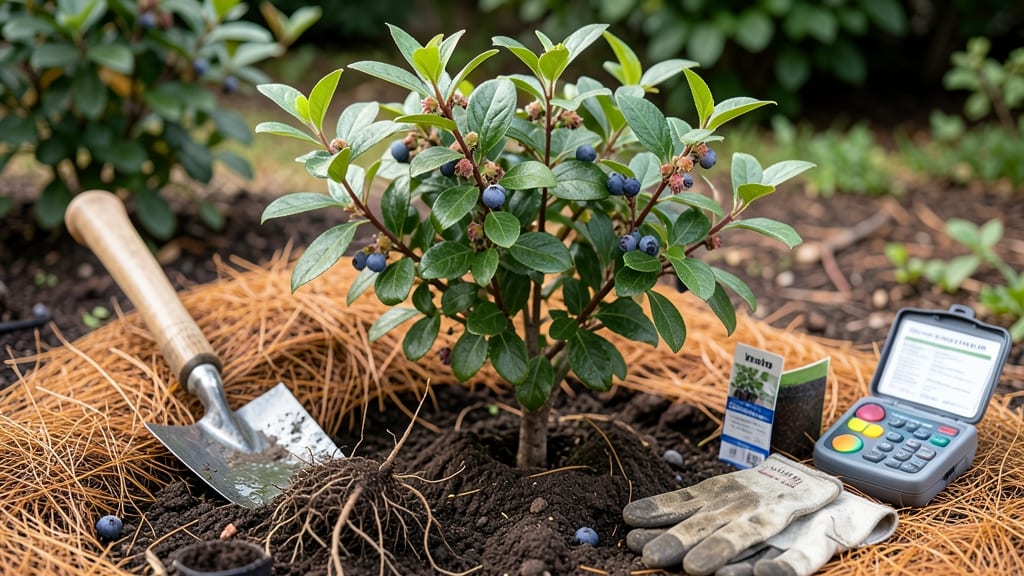
Planting blueberries in Kansas isn’t just about grabbing a shrub and sticking it in the ground—it’s about matching the right variety to your 5b-7a zone’s short growing season. If you’ve ever watched your 🫐 bushes struggle or fail to fruit, you’re not alone: timing is the game-changer most gardeners miss.
The key to success? Planting when the soil is workable but the last frost isn’t lurking—typically between late winter and early spring (February–April) or in fall (September–October).
But here’s the catch: Kansas’ chill-hour needs vary wildly by blueberry type, and picking the wrong one could mean wasted effort (or no berries at all).
I’ll break down exactly which months work best for your local climate, how to prep Kansas soil for these finicky shrubs, and why some varieties thrive while others flop. Spoiler: it’s not just about the calendar—it’s about understanding your microclimate and plant type.
Ready to grow blueberries that actually bear fruit? Let’s get into the details so you can skip the guesswork and start harvesting in July or August.
Best planting months for blueberries in Kansas by chill-hour requirements
Kansas’s short growing season demands precise timing for blueberry planting. Most varieties need 400-1,000 chill hours (temperatures between 32-45°F) to thrive. Since Kansas averages 600-800 chill hours annually, choosing the right planting window and variety is critical for success.
Spring and fall are your best bets, but each has unique advantages.
For spring planting, aim for late February to early April—before buds swell but after the last frost (around March 15). This gives roots time to establish before summer heat arrives.
However, Kansas’s unpredictable spring weather can delay planting, so fall planting (September-October) is often safer for most gardeners.
Chill-hour needs dictate your best options. High-chill varieties (like Duke or Bluecrop) require 600+ hours, while low-chill types (like Top Hat) need only 200-400 hours. Matching your variety to Kansas’s climate ensures better fruit set and yield. For example, southern Kansas (Zone 6b) may struggle with high-chill varieties, while northeast Kansas (Zone 5b-6a) can handle them.
🌱
| Planting Window | Best For | Chill-Hour Needs | Kansas Region Fit | Pros | Cons |
|---|---|---|---|---|---|
| Late February - Early April | High-chill varieties (600+ hours) | 600-1,000 hours | Northeast Kansas (Zones 5b-6a) | Faster root establishment in warm soil | Risk of late frosts; limited time for root growth |
| September - October | All varieties (200-1,000 hours) | 200-1,000 hours | Statewide (best for most gardeners) | Avoids summer heat; longer root growth before winter | Limited time for spring harvest in Year 1 |
| August (early) | Low-chill varieties (200-400 hours) | 200-400 hours | Southern Kansas (Zones 6b-7a) | Ideal for warm climates; faster growth | Higher drought risk in late summer |
| November (late) | Dwarf varieties (containers) | 400-600 hours | Urban gardeners (pots) | Flexible timing; protects roots in containers | Limited root zone in containers |
If you’re planting in spring, prioritize bare-root plants (available at nurseries in early spring) and soak roots in water for 2-3 hours before planting. For fall planting, choose container-grown plants to avoid transplant shock. Kansas’s alkaline soil (pH 7.5-8.5) is a major hurdle—always
Best planting months for blueberries in Kansas by chill-hour requirements
Kansas’s short growing season and variable chill hours make timing critical for blueberry success. Most varieties need 400-1000 chill hours (below 45°F) to produce fruit, but Kansas typically delivers 600-900 hours annually.
This means choosing the right planting window and variety can mean the difference between a bountiful harvest and a failed crop.
For high-chill varieties (like 'Duke' or 'Bluecrop'), aim for fall planting (September-October) when soil temps stay above 40°F but before first frost (avg. Nov 15). This gives roots time to establish before winter dormancy. Spring planting (March-April) works too, but requires soil acidification and consistent moisture as roots establish.
| Planting Window | Best For | Chill Hours Needed | Kansas Climate Fit |
|---|---|---|---|
| Fall (Sept-Oct) | High-chill varieties (600+ hrs) | 400-1000 hrs | ✅ Ideal (soil temps >40°F) |
| Spring (March-April) | Low-chill varieties (200-400 hrs) | 200-400 hrs | ⚠️ Risky (drought stress) |
| Late Winter (Feb) | Dwarf varieties (containers) | 300-500 hrs | ✅ Good (protected microclimates) |
Kansas’s western regions (USDA Zone 6) get fewer chill hours than eastern areas (Zone 7), so low-chill varieties like 'Top Hat' or 'Jersey' are safer bets. Soil prep is non-negotiable—Kansas’s alkaline soil (pH 7-8) must be amended to pH 4.5-5.5 using peat moss or sulfur 2-3 months before planting.
Test soil in early spring to adjust pH before roots establish.
If planting in containers (ideal for urban Kansas), use acidic potting mix and plant in late winter (February) to avoid transplant shock. Containers warm up faster in spring, giving plants a 2-3 week head start over in-ground plantings. Just ensure pots have drainage holes—blueberries hate soggy roots.
Avoid planting in July-August when Kansas’s summer heat (often >90°F) stresses young roots. Instead, opt for bare-root plants in fall or container-grown plants in spring. For frost-prone areas, cover new plantings with burlap sacks or row covers if late frosts hit after planting.
Pro tip: Mark your last frost date (avg. March 15) on your calendar—this is your last chance for spring planting. For fall, aim to plant 6-8 weeks before first frost to allow root establishment. Mulch heavily (3-4 inches) with pine straw to maintain soil acidity and moisture.