
Flowers
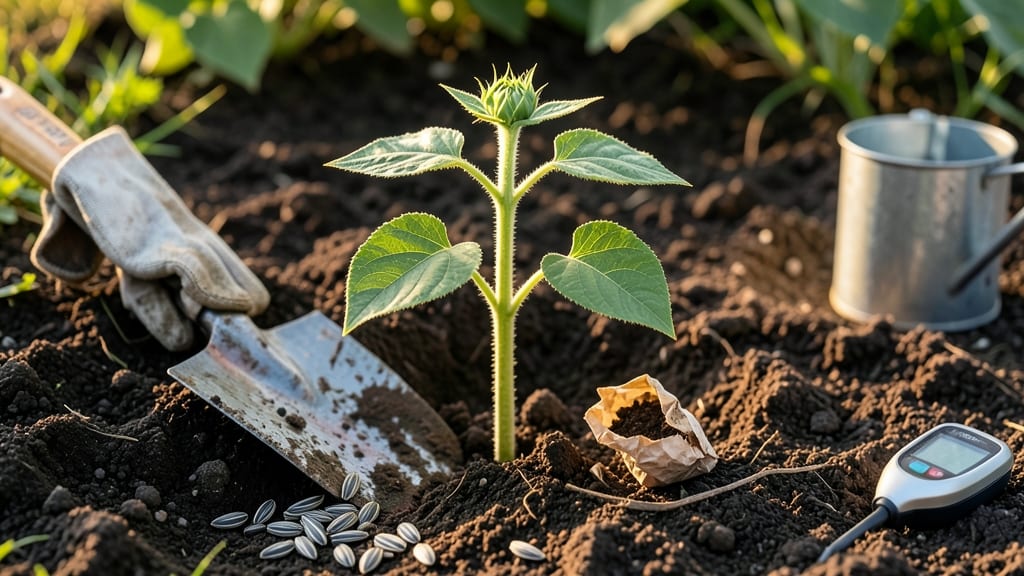
Planting sunflowers in Ohio at the wrong time means watching your towering 🌻 dreams wither before they even bloom. The key to sturdy stems and vibrant blooms lies in timing—especially when Ohio’s unpredictable frost can sneak in earlier than expected.
Most gardeners in USDA Zone 6a rush to plant too early, only to face cold soil that stunts growth. But if you wait until after the last frost date (mid-April), you’ll give your sunflowers the warm, fertile soil they crave for strong roots and rapid growth.
This guide breaks down the perfect planting windows for northern Ohio’s chillier zones versus southern Ohio’s milder climate. You’ll learn how to adjust for your county’s frost risks, whether you’re in frost-prone Ashtabula or the warmer Hamilton area.
From soil temperature checks to companion planting tricks, I’ll show you exactly when to plant for maximum frost resistance—so your sunflowers reach their full height before the first frost hits in October.
Ohio sunflower planting dates by region: frost zones & county-specific timelines
Ohio’s diverse climate—from USDA Zone 4a in the north to Zone 6b in the south—means sunflower planting dates vary dramatically. In northern Ohio (e.g., Ashtabula, Erie), wait until after May 1 when soil warms to 50°F+, while southern Ohio (e.g., Hamilton, Butler) can start as early as mid-April.
These differences are critical for avoiding frost damage to tender seedlings.
Sunflowers thrive in Ohio’s 165 frost-free days, but timing depends on your county. For example, Columbus (Zone 6a) has a last frost date of April 15, while Cleveland (Zone 5b) waits until May 10.
Plant too early, and cold snaps will stunt growth; too late, and you’ll miss the July–October harvest window.
Use Ohio’s microclimates to your advantage. Urban areas like Cincinnati often experience 2–3°F warmer soil than rural zones, allowing earlier planting. Conversely, Appalachian regions (e.g., Athens) may need to delay until late May due to higher elevations and cooler nights.
Here’s a breakdown of Ohio’s 5 frost zones and their ideal planting windows, based on USDA data and local gardener reports:
| Region | USDA Zone | Last Frost Date | Best Planting Window | County Examples |
|---|---|---|---|---|
| Northern Ohio | 4a–5a | May 1–10 | Late April–May 15 | Ashtabula, Erie, Lorain |
| Northeast Ohio | 5b | April 25–May 5 | Mid-April–May 10 | Cuyahoga, Geauga, Summit |
| Central Ohio | 6a | April 15 | Mid-April–May 1 | Franklin, Delaware, Madison |
| Southwest Ohio | 6a–6b | April 1–10 | Late March–April 30 | Hamilton, Butler, Warren |
| Southeast Ohio | 6a | April 15–25 | Early April–May 1 | Athens, Vinton, Jackson |
For direct sowing, Ohio gardeners should aim for soil temperatures of 50°F+. Use a soil thermometer to confirm—cold soil delays germination. In northern Ohio, opt for frost-tolerant varieties like ‘Autumn Beauty’ or ‘Moulin Rouge,’ which handle cooler soils better than standard types.
Pro tip: Check Ohio’s Midwest Regional Climate Center for real-time frost forecasts. Their weekly updates help adjust planting dates if late frosts threaten. For example, in 2022, a May frost in Lorain County delayed plantings by 2 weeks.
If you miss the spring window, don’t despair—late summer planting (July) still works for short-season varieties. Just reduce watering as fall approaches to harden stems before the first frost (October 15). 🌻
For container growing, start seeds indoors 4–6 weeks before your last frost date. Use biodegradable pots to transplant seedlings without root disturbance. This method extends your planting window by 2–3 weeks in cooler zones.
Always account for microclimates in your yard. South-facing slopes warm 2–5°F faster than shaded areas, allowing earlier planting. Conversely, low-lying spots may need 1–2 weeks later than your zone’s average.
How to time sunflower planting for maximum stem strength & frost resistance
Sunflowers in Ohio need strong stems to support their towering growth, especially when late-summer frosts threaten. The key to frost-resistant stems starts with soil temperature—wait until the ground reaches at least 50°F (10°C) before planting.
Cold soil delays germination and weakens early growth, making plants vulnerable to wind and frost damage.
Use a soil thermometer to check depth—sunflower roots need warmth at 1-2 inches deep for optimal development. If your soil is still chilly, consider starter pots indoors 2-3 weeks before your last frost date (typically mid-April in most of Ohio).
Transplant seedlings outdoors only after nighttime temperatures stay above 45°F (7°C).
Ohio’s humidity and wind can also stress sunflower stems, so companion planting is a game-changer. Marigolds repel pests like beetles and aphids, while basil improves growth resilience. For extra support, plant sunflowers in sheltered spots or near fences—this reduces wind damage and encourages thicker stems.
If you’re growing tall varieties (like ‘Russian Giant’), consider staking or trellising for added stability.
After planting, mulch around the base with straw or wood chips to retain moisture and regulate soil temperature. This prevents sudden temperature swings that weaken stems. Avoid over-fertilizing with nitrogen—too much softens stems, making them prone to snapping in storms.
Instead, use a balanced 5-10-10 fertilizer at planting and again when flowers bud.
For late-season planting (if you miss the spring window), choose frost-tolerant varieties like ‘Autumn Beauty’ or ‘Moulin Rouge’. These can handle light frosts and still produce vibrant blooms. If frost hits early, harvest seed heads before they freeze—dry them indoors for next year’s garden.
With the right timing and care, your sunflowers will stand tall and proud through Ohio’s unpredictable seasons.