
Flowers
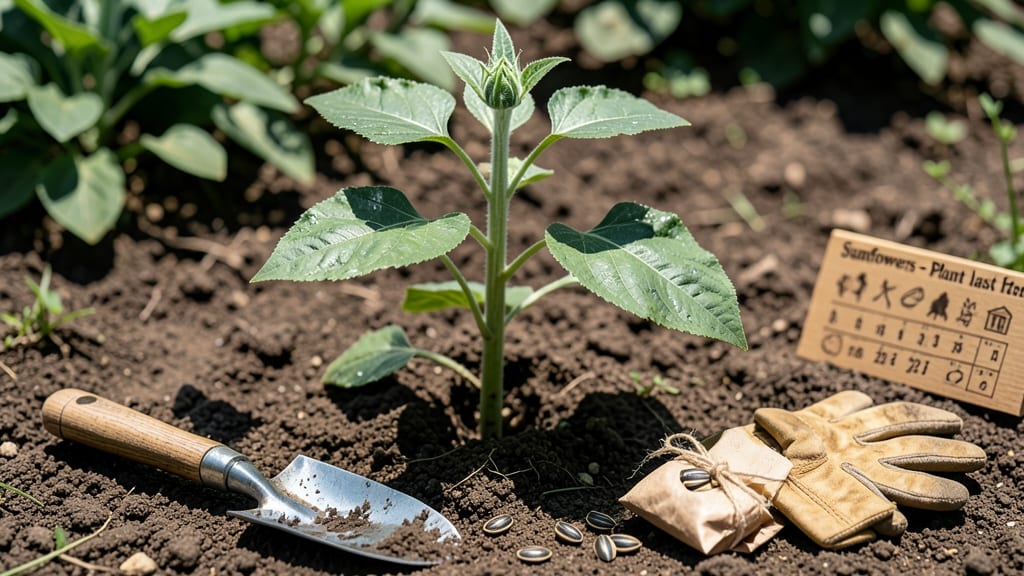
Timing your sunflower 🌻 planting in Indiana isn't just about waiting for spring—it's about beating the frost to unlock those towering blooms you've always dreamed of. With last frost dates fluctuating between mid-April and early May depending on your exact location, getting it wrong means stunted plants or lost investments.
I've learned the hard way that Indiana's USDA Zone 6a climate demands precision. Plant too early, and a surprise frost will kill your seedlings before they sprout. Too late, and you might miss the 70-day window needed for full-size varieties to mature before fall's first chill.
What if I told you there's a sweet spot between mid-April and mid-June that guarantees the best results? Whether you're growing 3-foot dwarfs or 12-foot giants, mastering these planting windows will transform your garden from ordinary to extraordinary.
Let me walk you through the exact frost-date tricks that work in Northern Indiana's cooler microclimates versus Southern Indiana's slightly warmer zones. You'll discover how to adjust for early vs. late varieties and even extend your growing season with simple, proven techniques.
Indiana sunflower planting dates by frost zone: exact timing for giant blooms
Indiana’s USDA Hardiness Zones 5-7 create a unique challenge for sunflower lovers—late springs and early frosts demand precision. The average last frost date ranges from April 15 in southern Indiana to May 10 in the north, but these dates shift yearly.
Planting too early risks frost damage, while waiting too late cuts your harvest short.
For tallest blooms and maximum yield, aim to plant sunflowers when soil temperatures hit at least 50°F and stay consistent.
In most of Indiana, this means mid-April to early May for early varieties, with a second planting window in late May to early June for late-season giants like 'Russian Giant'.
Northern Indiana (Zones 5-6) gardeners should wait until after May 1 to avoid frost, while southern Indiana (Zone 7) can start as early as mid-April. The key is soil warmth, not just calendar dates—use a soil thermometer to confirm readiness.
| Zone | Last Frost Date | Ideal Planting Window | Soil Temp Requirement | Notes |
|---|---|---|---|---|
| 5 (Northern IN) | May 1-10 | Mid-May to early June | 50°F+ | Wait for warm soil; use row covers |
| 6 (Central IN) | April 20-May 1 | Late April to early May | 50°F+ | Early varieties preferred |
| 7 (Southern IN) | April 1-15 | Mid-April to late May | 50°F+ | Longer growing season; try giant varieties |
Indiana’s short growing season (165 frost-free days) means choosing the right varieties is critical. Early-maturing types like 'Moulin Rouge' (55-60 days) can handle late plantings, while giant varieties need the full season. For northern Indiana, stick to dwarf or semi-dwarf types unless you’re using season-extending tricks.
Pro tip: Use a planting calendar that accounts for Indiana’s variable frost dates. The Indiana State Climate Office provides yearly updates—bookmark their frost prediction tool! For most Hoosiers, April 20 to May 10 is the safest primary planting window.
If you’re eager to start earlier, indoor starts under grow lights work well. Begin seeds 4-6 weeks before your last frost date—for northern Indiana, that’s mid-March. Transplant seedlings outdoors only after all danger of frost has passed and soil is warm.
For maximum height and seed production, give sunflowers plenty of space. In Indiana’s compacted soils, amend planting beds with compost or aged manure before sowing. This improves drainage and helps roots establish quickly in cooler soils.
Don’t forget about succession planting! In southern Indiana, you can squeeze in two harvests by planting early varieties in April and late varieties in June. This extends your bloom time from July to October—perfect for cutting gardens and bird feeders.
Watch for false springs, a common Indiana trap. Even if temperatures warm in March, a late frost can wipe out tender seedlings. Wait until after April 15 in most areas before planting outdoors, or use frost cloth for extra protection.
Indiana sunflower planting dates by frost zone: exact timing for giant blooms
Indiana's USDA Zones 5-7 create a tricky balance for sunflower growers. Northern Indiana (Zone 5) faces later last frosts around May 10, while Southern Indiana (Zone 7) often sees them by April 15.
This 3-week difference means your planting strategy should shift depending on where you live in the state.
For maximum height and seed production, aim to plant when soil temperatures reach 50°F consistently. This typically falls between mid-April in Southern Indiana and late April in Northern regions.
Waiting until after the last frost (which can still occur in May) gives you a 165-day growing season—just enough for most varieties to mature before fall frosts arrive around October 15.
Here's the golden window broken down by zone to ensure your sunflowers reach their full potential:
Early varieties like 'Moulin Rouge' (maturing in 60 days) give you more flexibility, while giant varieties such as 'Russian Giant' need the full 100 days. In Northern Indiana, I recommend sticking to early varieties unless you're willing to use season-extending techniques to protect your plants.
Pro tip: Use a soil thermometer to verify temperatures before planting. Cold soil can delay germination by weeks, leaving your sunflowers vulnerable to late frosts. Aim for planting when your soil hits 55°F for faster sprouting and stronger seedlings.
Remember that sunflowers thrive on long, sunny days. Planting in late May or June still gives you blooms, but you'll sacrifice height and seed production. For the tallest sunflowers, always prioritize early spring planting within your zone's frost-free window.