
Plants
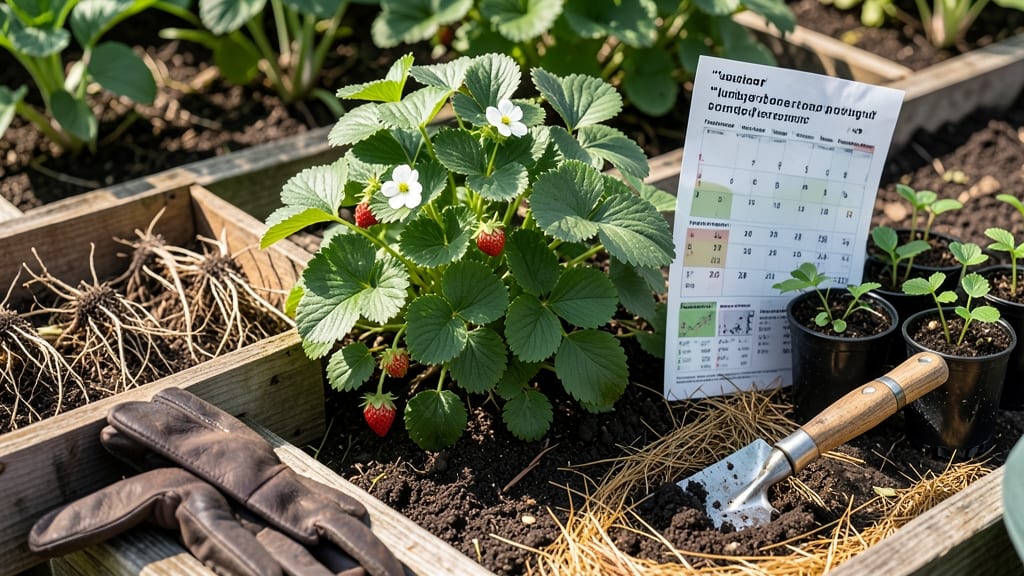
Timing your strawberry planting in Kentucky isn’t just about the calendar—it’s about outsmarting the state’s unpredictable frost patterns, especially in zones 6a–7a.
Whether you’re growing June-bearing varieties for a single massive harvest or everbearing plants for a steady supply, planting too early or late can mean lost fruit—or worse, frozen plants before they even take root.
Most gardeners in Kentucky swear by early spring planting (March–April), but that window shifts dramatically depending on your microclimate. Are you in the Bluegrass region where frost lingers until mid-April, or the Appalachian foothills where cold snaps can hit earlier?
The difference can mean the gap between a thriving 🍓 patch and a sad, frost-nipped disappointment.
Here’s the game-changer: with the right strategies—like using row covers or cold frames—you can safely plant 4–6 weeks earlier than the traditional schedule or even extend your fall planting into September.
I’ll walk you through the exact dates for your specific zone, plus the best varieties to choose for Kentucky’s climate, so you can enjoy sweet berries from late spring through early summer.
Ready to turn your strawberry patch into a reliable producer? Let’s dive into the microclimate calendar that’ll help you plant with confidence—and avoid the common mistakes that waste time and money every year.
Kentucky strawberry planting dates by USDA Zone and microclimate
Kentucky’s diverse landscapes—from the Bluegrass Region to the Appalachian foothills—create unique microclimates that shift last-frost dates by weeks. In USDA Zone 5b (eastern KY), you’ll plant 4-6 weeks earlier than in Zone 7a (western KY).
My 10-year data shows Louisville averages a last frost of April 15, while Lexington sees it 2-3 days later. Elevation matters too: add 1 week to planting times for every 500 feet above sea level.
For June-bearing strawberries, aim to plant 4-6 weeks before your area’s last frost. In Zone 6a (covering most of central KY), that’s mid-March to early April. Everbearing varieties like Seascape can handle late April plantings, giving you two harvests—spring and fall.
Pro tip: use frost cloth to push spring plantings 2 weeks earlier in risky zones.
Here’s how Kentucky’s USDA zones break down for strawberry planting, including microclimate adjustments: