
Planting
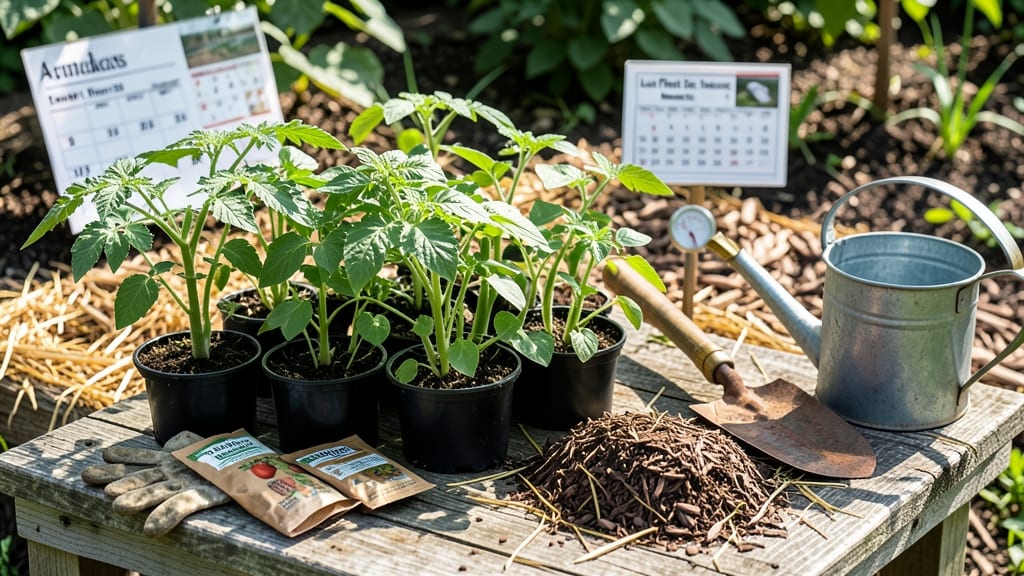
Timing when to plant a garden in Arkansas 🌱 can mean the difference between a bumper crop and a sad, frost-nibbled disappointment.
Arkansas’s USDA Zones 6a–8a offer a long growing season, but knowing exactly when to plant—whether it’s your first batch of tomatoes or a fall harvest of kale—isn’t just helpful, it’s essential.
Spring’s last frost date varies wildly across the state, from mid-February in the south to mid-March in the north. Plant too early, and your seedlings could turn into a sad, icy snack.
Too late, and you’ll miss peak harvests. I’ve spent years perfecting the schedule, and what I’m about to share will help you avoid those costly mistakes.
You’ll discover the exact windows for cool-season crops like spinach and broccoli (plant them 4–6 weeks before the last frost) and warm-season favorites like peppers and squash (wait until after the last frost).
Plus, I’ll share Arkansas-specific tricks to extend your season, whether you’re dealing with clay soil or urban heat islands.
Ready to turn your backyard into a thriving General Arkansas Garden? Let’s dive into the planting calendar that’ll have your plants growing strong—no more guesswork, just green thumbs and happy harvests.
Arkansas planting deadlines by season: frost-free timelines for Zone 7a/7b
Arkansas gardeners must work with last frost dates that vary dramatically between the northern (Zone 7a) and southern (Zone 7b) regions. In the Arkansas River Valley, frost typically retreats by February 15, while mountainous areas like the Ozarks often see frost lingering until March 15.
These dates determine when to plant cool-season crops like spinach and warm-season staples such as tomatoes.
Understanding these frost-free windows ensures you don’t lose your early spring seedlings to late frosts or miss the peak harvest window for summer crops. For example, broccoli planted too late in March might bolt before you can enjoy it, while peppers planted before April risk stunted growth from cool soils.
Below is a seasonal planting timeline tailored for Arkansas’ climate, including cool-season crops, warm-season favorites, and year-round greens. Use this as your gardening calendar to align planting with Arkansas’ 180–240 frost-free days.
| Season | Planting Window | Crops to Plant | Key Notes |
|---|---|---|---|
| Early Spring (Feb–March) | 4–6 weeks before last frost | Spinach, Lettuce, Broccoli, Kale, Peas | Use row covers for frost protection |
| Late Spring (April) | After last frost (April 1–15) | Tomatoes, Peppers, Eggplants, Cucumbers | Soil temp must be 60°F+ |
| Summer (May–June) | Direct sow after May 15 | Squash, Beans, Corn, Okra | Mulch to retain moisture |
| Fall (September–October) | 8–10 weeks before first frost | Kale, Carrots, Radishes, Lettuce | Extend season with cold frames |
For warm-season crops like tomatoes and peppers, wait until soil temperatures reach 60°F—a critical threshold for germination. Use a soil thermometer to avoid planting too early, which can stunt growth. Meanwhile, cool-season crops like spinach and broccoli thrive when planted 4–6 weeks before the last expected frost date.
Arkansas’ fall planting window (September–October) is just as important as spring.
By sowing kale or radishes in late summer, you can enjoy harvests well into November, even in Zone 7a. The key is to plant 8–10 weeks before the first frost date, which typically arrives between November 15 (north) and December 15 (south).
Pro tip: If you’re unsure about frost dates, check the Arkansas Cooperative Extension Service for localized updates. Their frost-free maps account for Arkansas’ microclimates, helping you fine-tune your planting schedule for urban areas, river valleys, or mountainous regions.
For high-value crops like peppers and eggplants, consider starting seeds indoors in February to give them a head start. These heat-loving plants need 80°F+ soil to thrive, so transplanting them too early—even with row covers—can lead to stunted growth or poor yields.
Don’t forget perennial herbs like basil and rosemary, which can be planted in early spring or fall. These low-maintenance plants reward patience with year-round harvests, making them a staple for Arkansas gardeners.
🌱
How to adjust planting dates for Arkansas’ microclimates and soil conditions
Arkansas’ diverse geography—from the Ozark Mountains to the Delta Lowlands—creates microclimates that shift planting windows by 2–4 weeks. Urban areas like Little Rock can hit 90°F by May, while northern regions near Eureka Springs may face late-March frosts. Adjust your schedule using these localized strategies.
Start seeds indoors 6–8 weeks before your area’s last frost date. For northern Arkansas (Zone 7a), begin warm-season crops like tomatoes and peppers indoors by February 15. In southern Arkansas (Zone 7b/8a), you can push this to March 1 thanks to earlier soil warming.
🌱 Arkansas Microclimate Adjustments
- Urban Heat Islands: Plant heat-lovers (okra, sweet potatoes) 2 weeks earlier than rural areas.
- River Valleys (e.g., Arkansas River): Extend cool-season crops by 10–14 days due to slower warming.
- Clay-Heavy Soils: Use raised beds to warm soil 2–3 weeks faster than ground planting.
- High Elevations (Ozarks): Delay warm-season planting by 1–2 weeks to avoid late frosts.
Arkansas’ clay-heavy soils retain moisture but struggle to warm up. Amend beds with compost or sand to hit 60°F soil temps—critical for warm-season crops. Test soil temps with a thermometer (available at Arkansas Cooperative Extension offices) before planting.
Mulch with straw or black plastic to accelerate soil warming by 5–7°F. For slow-starting crops like cabbage, use row covers to create a 5°F warmer microclimate. Remove covers when plants flower to prevent overheating.
If your area experiences unpredictable late frosts (common in Zone 7a), opt for fast-maturing varieties like ‘Early Girl’ tomatoes (55 days) or ‘Black Beauty’ eggplants (65 days). For peppers, start seeds indoors and transplant after May 15 to avoid frost damage.
Local nurseries like Arkansas Nursery Supply offer heat-tolerant varieties suited to Arkansas’ climate. Ask for ‘Heatmaster’ tomatoes or ‘Jalapeño M’ peppers—both thrive in 90°F+ temps. Pair these with drip irrigation to maintain moisture during summer’s 90-day dry spells.