
Plants
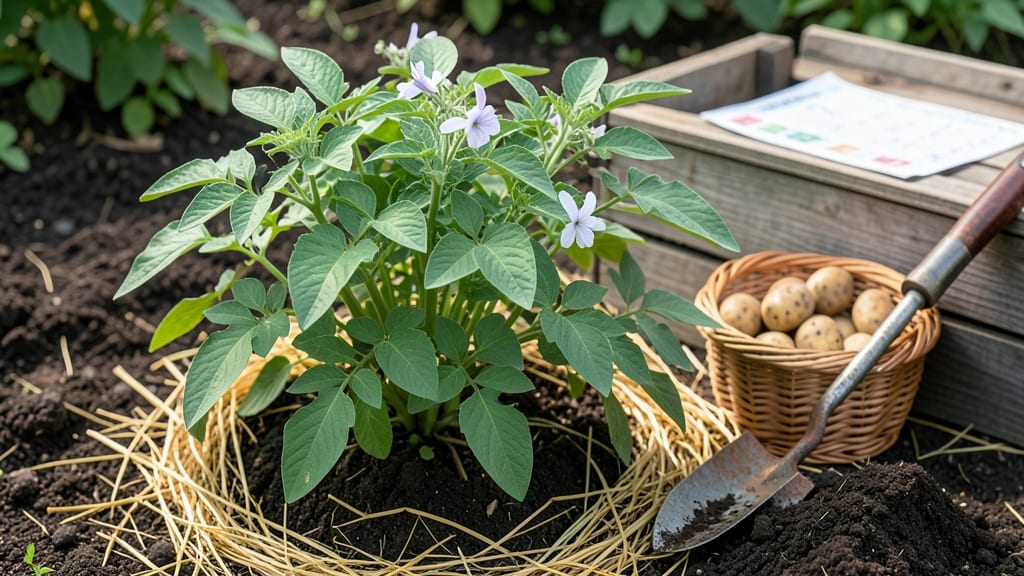
When do you plant potatoes in Iowa? The answer isn’t just about flipping the calendar to May—it’s about decoding the soil’s hidden signals. When the ground finally warms to 45-50°F and the last frost date (usually around April 15) has passed, that’s your 🥔 golden ticket to a bountiful harvest.
Iowa's 5a climate zone means you can't afford to rush or delay—getting potatoes in the ground too early risks frost damage, while planting too late cuts your growing season short. The key is patience combined with preparation, because once those sprouts emerge, they grow fast.
In this guide, I'll walk you through exactly when to plant based on your specific region (whether you're in Des Moines, Cedar Rapids, or Sioux City), plus how to adjust for Iowa's famously unpredictable springs.
You'll learn how to test soil temperature, choose the right varieties for your microclimate, and even protect your crop if Mother Nature throws a curveball.
By the end, you'll know precisely when to plant for maximum yield—and why waiting for the perfect conditions makes all the difference between a handful of potatoes and a bushel basket full.
Iowa potato planting timeline: soil temperature rules for zero-frost success
Timing your potato planting in Iowa isn’t just about calendar dates—it’s about soil temperature. Potatoes thrive when soil reaches 45-50°F, signaling the ground is warm enough for sprouts to emerge without frost damage.
This rule applies across Iowa’s USDA Zone 5a, but exact dates vary by region due to microclimates.
Iowa State University Extension data shows last frost dates range from April 15 in southern Iowa to May 1 in northern areas. However, planting too early risks frost-killed sprouts, while waiting too late shortens the growing season. The sweet spot? Late April to mid-May for most of the state.
Here’s how to align your planting with Iowa’s soil temperature triggers and regional frost patterns:
| Region | Last Frost Date | Ideal Planting Window | Soil Temp Threshold | Frost-Free Days |
|---|---|---|---|---|
| Des Moines | April 20 | Late April - Early May | 45-50°F | 160 days |
| Cedar Rapids | April 25 | Early May | 45-50°F | 155 days |
| Sioux City | May 5 | Mid-May | 45-50°F | 150 days |
| Dubuque | April 28 | Early May | 45-50°F | 158 days |
Source: Iowa State University Extension (2023)
For early varieties like 'Yukon Gold' (90-day maturity), aim for planting by mid-April in southern Iowa. These fast growers can tolerate cooler soils and still yield before the first frost. In contrast, late varieties like 'Kennebec' (120-day maturity) need to be planted by early May to avoid stunted growth.
Use a soil thermometer to confirm readiness—bury it 4 inches deep (the planting depth for seed potatoes) and wait until temperatures consistently hit 45°F for 3-5 days. This simple tool prevents the guesswork of relying solely on calendar dates.
Pro tip: In northern Iowa, where frost lingers, consider container planting or using black plastic mulch to warm soil faster. These methods can shave off critical weeks in the growing season.
If you’re planting seed potatoes (not sprouted), chill them in the fridge for 4-6 weeks before planting to synchronize sprouting with Iowa’s warming soil. This trick ensures uniform emergence and stronger plants.
Remember: Potatoes grow best in cool weather. Planting too late in May or June risks heat stress, which leads to smaller tubers and bitter flavors. Stick to the 45-50°F soil rule, and you’ll maximize your harvest potential.
🥔
How to adjust potato planting for Iowa’s unpredictable spring weather
Iowa’s spring weather can swing from freezing nights to unseasonable warmth in days, making potato planting tricky. The key is flexibility—adjusting your timing based on soil temperature, frost forecasts, and even your microclimate.
If you’ve ever planted too early and lost your crop to frost, you’re not alone. Here’s how to hedge your bets and still get a great harvest.
First, consider early planting if your soil warms quickly. In southern Iowa, you might plant as early as mid-April, while northern areas should wait until late April or early May. Use a soil thermometer to check for 45-50°F soil temps—this is your green light.
If temps drop, protect your plants with row covers or a cold frame until danger of frost passes.
For those with short growing seasons, opt for container growing. Pots warm up faster and can be moved to a sunny spot or even indoors if frost threatens. Just ensure your containers are at least 12 inches deep and use a lightweight potting mix for easy harvesting.
This method also lets you start potatoes indoors 4-6 weeks before the last frost date.
🌱
⚠️ Frost Alert: When to Delay Planting
If the National Weather Service forecasts below 32°F within 3-5 days of planting, hold off. Potatoes are sensitive to frost, especially young sprouts. Instead, use this time to prep your soil with compost or warm it with black plastic mulch for 1-2 weeks before planting.
Don’t forget about late planting for varieties like 'Red LaSoda', which matures faster. You can plant these as late as early June in Iowa and still harvest before the first frost.
Just space them closer together (8-10 inches apart) to maximize yield in the shortened season. For late plantings, focus on disease-resistant varieties like 'Kennebec', which handle humidity better.
To monitor soil temps without fancy tools, try the DIY finger test. Stick your finger 4 inches deep into the soil—if it feels cooler than your wrist, wait a few days. For a more precise approach, bury a thermometer in a shady spot (sun heats soil unevenly).
Aim for consistent 50°F temps for at least 3 days before planting. This ensures your potatoes sprout quickly and avoid rot from cold, wet soil.
Finally, group your planting dates. Instead of spreading out seeds over weeks, plant all your potatoes in 2-3 batches 10-14 days apart. This staggered approach extends your harvest window and reduces the risk of losing everything to a single late frost.
Save your smallest seed potatoes for the last batch—they’ll catch up quickly in warm soil.