
Plants
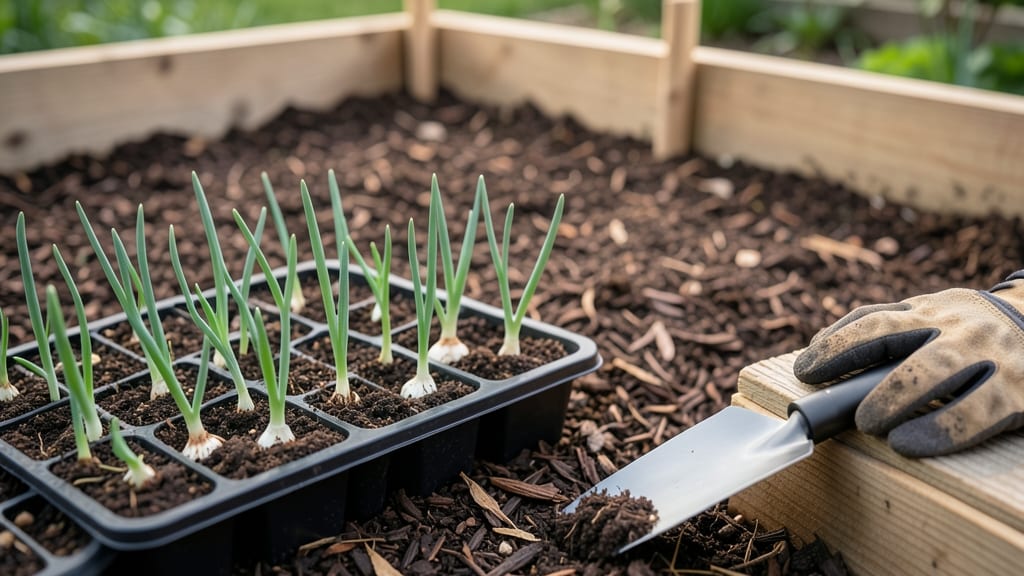
Planting onions in the fall at the wrong time could leave you with disappointing harvests—or worse, no bulbs at all. The key to success lies in understanding your region's frost dates and how they align with your 🧅 onion varieties.
In USDA Zone 6a, where I garden, the ideal window opens around September and closes before the ground freezes in mid-October. But timing varies dramatically across zones—from late August in warmer areas to November in colder climates.
You’ll also need to consider whether you’re growing short-day or long-day varieties, as daylight hours play a surprising role in bulb development. I’ll break down exactly when to plant in your specific zone and how to prepare your soil for maximum success.
Once you get the timing right, the rest is straightforward: proper spacing, mulching for winter protection, and a little patience. Let’s dive into the exact steps that will give you plump, flavorful onions come harvest season.
Fall onion planting calendar by USDA hardiness Zones: exact months for each region
Planting onions in the fall isn’t just about throwing seeds into the ground—it’s about understanding your USDA hardiness zone and working with your local frost dates. The goal? Give your onions enough time to establish roots before winter sets in.
In most regions, this means planting 6-8 weeks before the first frost, but the exact timing shifts dramatically depending on whether you’re in Zone 3 or Zone 10. Let’s break it down by region so you can pinpoint the perfect window for your garden.
For gardeners in Zones 3-5, where winters are harsh, the window is tight. You’ll want to plant onions in late August to early September—this gives them just enough time to root before the ground freezes.
In contrast, gardeners in Zones 6-8 have more flexibility, with ideal planting dates stretching from mid-September to mid-October. Meanwhile, those in Zones 9-10 can plant as late as November, thanks to milder winters.
The key is to avoid planting too early, which can lead to bolting (premature flowering), or too late, which risks stunted growth.
🌱 Pro Tip: Always check your local average first frost date—this is your anchor for timing. For example, if your first frost is November 10, aim to plant by October 1 to give your onions a strong start.
| USDA Zone | Ideal Planting Window | Varieties to Choose | Key Consideration |
|---|---|---|---|
| Zones 3-5 | Late August - Early September | Cold-hardy varieties like 'Candy' or 'Sweet Sandwich' | Short growing season; prioritize early-maturing sets |
| Zones 6-7 | Mid-September - Mid-October | 'Yellow Granex' or 'Texas Early White' | Balanced frost dates; can handle light frosts |
| Zones 8-9 | td style="padding: 10px; border-bottom: 1px solid #ffcc00;">Late September - Early November'Red Baron' or 'Stuttgarter' | Milder winters; can plant later for spring harvest | |
| Zone 10 | October - Early December | 'Texas Early White' or '1015Y Yellow' | No frost risk; focus on soil prep over timing |
If you’re in a transition zone (like Zone 6b or 7a), err on the earlier side of the window.
For example, if your first frost is October 25, plant by September 15 to ensure roots establish before cold sets in. Short-day onions (like 'Texas Early White') are your best bet for fall planting—they thrive with fewer daylight hours and produce larger bulbs in cooler weather.
One common mistake? Planting onion seeds instead of sets in the fall. Seeds take too long to germinate and won’t mature before winter. Instead, opt for small onion sets (young plants) or transplants, which establish faster. These are readily available at garden centers in late summer and early fall.
🌿 Region-Specific Hack: In Zone 4 or colder, use a thick layer of straw mulch (4-6 inches) after planting to insulate the soil and protect young roots from freezing. This can extend your planting window by 1-2 weeks.
Finally, don’t forget that soil temperature matters just as much as air temperature. Onions prefer soil that’s 40-60°F at planting time. If your soil is still warm (above 65°F), wait a few weeks—hot soil can stress young plants and delay root growth.
Use a soil thermometer to check if you’re unsure.
Once you’ve nailed the timing, the next step is soil preparation. Onions love well-draining, fertile soil with a pH between 6.0 and 7.0. Work in compost or aged manure a few weeks before planting to give your onions a nutrient boost.
In the next section, we’ll dive into the 5 critical factors that fine-tune your planting window even further—so stay tuned!
5 Critical factors that determine your perfect fall onion planting window
Planting onions in the fall isn’t just about picking a month—it’s about understanding how soil temperature, daylight hours, and frost dates work together. Miss one factor, and you might end up with stunted bulbs or lost plants.
For example, in Zone 5, planting too early can trigger premature growth, while waiting too late risks frost damage before roots establish.
First, daylight length is everything. Onions are short-day plants, meaning they need fewer than 12-14 hours of daylight to bulb properly. This happens naturally in fall, but if you’re in a long-day zone (Zones 7-10), you’ll need to plant earlier to avoid the winter solstice’s extended daylight.
For instance, in Zone 9, aim for September planting to catch that sweet spot.
Next, soil temperature must be 45-65°F for optimal root growth. Cold soil slows germination, while warm soil can cause rot. Use a soil thermometer to check—if temps dip below 40°F, wait a few weeks.
In northern climates (Zones 3-5), this often means holding off until late September or early October.
Don’t overlook frost dates. Onions need 6-8 weeks to establish roots before winter. If your first frost is November 15, plant by September 30. But in Zone 10, where frosts are rare, focus on daylight hours and plant by October 15 to avoid spring heat stress.
Variety selection is the final puzzle piece. Short-day onions (like ‘Texas Early White’) thrive in fall, while long-day varieties (like ‘Sweet Sandwich’) may not bulb well. Check seed packets for days-to-maturity—aim for 90-120 days to harvest before next summer’s heat.
Pro tip: Use mulch (straw or leaves) after planting to insulate soil and prevent heaving during freeze-thaw cycles. This keeps roots stable and bulbs growing even in winter’s chill. 🌱
🔍 5 Critical Factors for Fall Onion Planting
- 🌡️ Soil Temperature: 45-65°F for root growth (use thermometer)
- ⏳ Daylight Hours: <12-14 hours triggers bulb formation (fall’s natural advantage)
- ❄️ Frost Dates: Plant 6-8 weeks before first frost (check local averages)
- 🌱 Variety: Short-day onions for fall (e.g., ‘Texas Early White’)
- 🛡️ Mulch: Protects roots from heaving and temperature swings
Adjust for unpredictable weather by planting a 2-week staggered batch. This ensures at least one group survives if early frost hits. For example, in Zone 6, plant half in late September and half in early October. This buffer gives you flexibility and a reliable harvest.
Finally, test your soil’s pH—onions prefer 6.0-7.0. Amend with lime if needed, but avoid overdoing it, as high pH can cause scorching. A simple soil test kit makes this easy. With these factors locked in, you’re ready for bulbs that’ll make your neighbors jealous! 🧅