
Plants
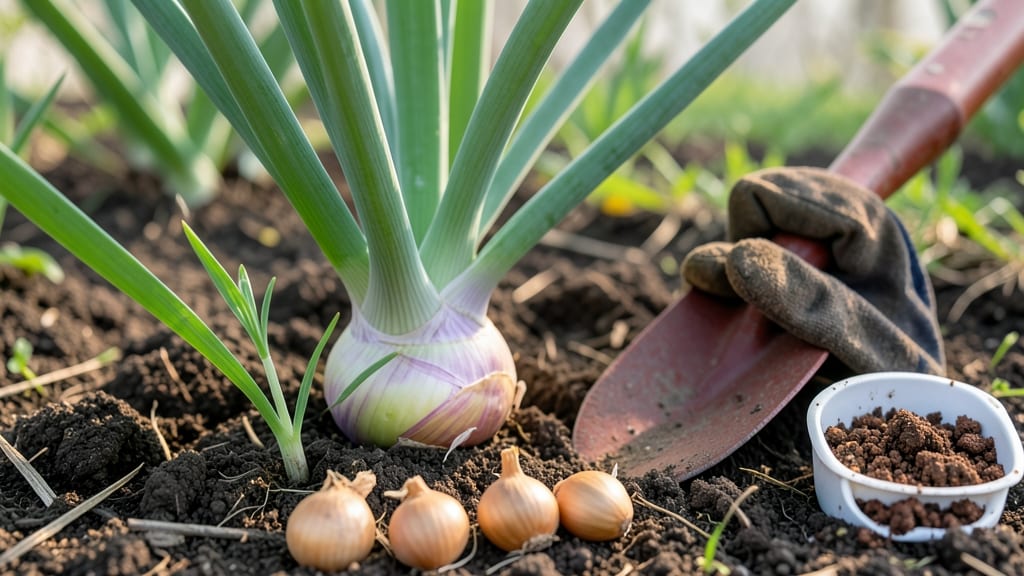
Planting onions in Oklahoma can feel like a guessing game—until you know the exact soil temperature triggers that guarantee fast germination and strong bulbs.
The key lies in timing your 🧅 sets or transplants when the ground reaches 40-60°F, which typically lands in late winter or early fall for Oklahoma’s USDA Zones 6b-7a.
Why does this matter? Because those 5-degree windows between cold snaps and warm spells determine whether your onions bolt, rot, or thrive. I’ve learned the hard way that planting too early risks frost damage, while waiting too long means heat stress—and neither scenario ends with a harvest-worthy bulb.
In this guide, you’ll discover the perfect planting windows for Oklahoma’s microclimates, plus how to adjust for unpredictable weather. Whether you’re a beginner or a seasoned gardener, these insights will help you avoid common mistakes and grow onions that rival store-bought quality.
Let’s break down the science behind soil temperatures, the best varieties for Oklahoma’s climate, and how to time your planting for fast, reliable germination—no more second-guessing your schedule.
Oklahoma onion planting calendar by soil temperature zones
Oklahoma’s diverse USDA zones 6b-8a create microclimates where soil temperature becomes your best planting guide—not just the calendar. Onions need 40-60°F soil to germinate reliably, and waiting for these temps avoids frost damage while preventing bolting from early heat.
In northern Oklahoma (Zone 6b), aim for late March to early April planting, while southern areas (Zone 8a) can start as early as February.
Fall planting is equally critical for Oklahoma gardeners. For a September-October harvest, plant short-day onions in late August when soil cools below 75°F.
This timing lets bulbs mature before first frost (typically mid-November). The key? Monitor soil temps with a soil thermometer—they’re cheaper than failed crops!
Here’s why timing matters: Onions planted too early in cold soil rot, while those in warm soil above 70°F bolt (flower) instead of bulbing. Oklahoma’s unpredictable spring swings make soil temperature your most reliable planting clock.
| Zone & Location | Spring Planting Window | Soil Temp Trigger | Fall Planting Window | Key Varieties |
|---|---|---|---|---|
| Northern OK (Zone 6b) Tulsa, Oklahoma City |
Late March–Early April | 45–50°F (consistent) | Late August–Early Sept | Texas Early White, Red Baron |
| Central OK (Zone 7a) Stillwater, Lawton |
Mid-March–Late March | 40–45°F (minimum) | Mid-August–Late Aug | Yellow Granex, Sweet Sandwich |
| Southern OK (Zone 8a) Oklahoma City, Lawton |
February–Early March | 40–50°F (stable) | Early–Mid August | Candy, Texas Early White |
| Southwest OK (Zone 8a) Altus, Weatherford |
Late February–March | 42–50°F (consistent) | Late July–Early Aug | Red Creole, Texas Grano |
Pro tip: Use black plastic mulch in Zone 6b to warm soil faster. Lay it down 2 weeks before planting to create a 5–10°F warmer microclimate. In Zone 8a, shade cloth (30%) can protect transplants from late-spring heat while keeping soil temps ideal.
For Oklahoma’s variable weather, I always plant two batches: one for spring harvest (March) and one for fall harvest (August). This double insurance ensures onions at your table year-round. Start with sets or transplants—they’re faster than seeds and less risky for beginners.
Watch for soil moisture after planting. Onions need consistent moisture to form bulbs, but waterlogged soil causes rot. Aim for 1 inch of water weekly, delivered in the morning to prevent fungal diseases. In drought-prone areas, mulch with straw to retain moisture.
Don’t overlook onion maggots in Oklahoma’s warm springs. Rotate planting locations yearly
How to time onion planting for Oklahoma’s unpredictable weather
Oklahoma’s volatile weather can make onion planting tricky, but with the right timing, you can avoid frost damage and heat stress.
The key is planting 6-8 weeks before your first frost (around September 15–October 15) for a fall harvest or 4-6 weeks before last frost (around February 20–March 15) for spring onions. This gives bulbs enough time to mature before extreme temperatures hit.
For extra protection, choose cold-hardy varieties like Texas Early White or Yellow Granex, which tolerate light frosts better than delicate types. Mulching with straw or leaves adds an extra 5–10°F of insulation during cold snaps, extending your planting window safely.
If you miss the ideal window, don’t panic! Backup planting dates work too. For spring onions, try late March if soil temps hit 40°F+. For fall, late October is a stretch but can yield small bulbs if covered with row covers during hard freezes.
Watch for bolting risk—onions bolt (flower prematurely) when days get too long or hot. In Oklahoma’s Zone 7a, this usually happens after April 15 for spring plantings.
To prevent it, use shade cloth during peak summer heat or opt for short-day varieties like Candy or Texas Super Sweet.
Avoid planting when soil temps dip below 40°F—seeds won’t germinate, and seedlings may rot. Use a soil thermometer to check temps 1 inch deep in the morning. If temps are below 40°F, wait 1–2 weeks or use black plastic mulch to warm the soil faster.
For container growing, plant 4-6 weeks earlier than in-ground onions since pots warm up faster. Place containers in south-facing spots and use heat-retaining fabric pots to extend your season. Just ensure pots have drainage holes to prevent root rot from Oklahoma’s flash floods.
Pro tip: Mark your planting dates on a calendar with frost dates from your local Cooperative Extension office. Oklahoma’s microclimates vary wildly—what works in Tulsa (Zone 7a) may fail in Altus (Zone 7b). Adjust based on your elevation and wind exposure!
Plant 6-8 weeks before first frost (Sept–Oct) for fall harvest or 4-6 weeks before last frost (Feb–March) for spring.
Use cold-hardy varieties like Texas Early White and mulch with straw to protect from light frosts.
Avoid planting when soil temps < 40°F—use black plastic mulch to warm soil faster.
For containers, plant 4-6 weeks earlier and use heat-retaining fabric pots in south-facing spots.
Watch for bolting risk after April 15—use shade cloth or short-day varieties.
With these strategies, you’ll outsmart Oklahoma’s weather and enjoy homegrown onions all season long—whether you’re planting sets, seeds, or transplants. Happy gardening! 🧅