
Plants
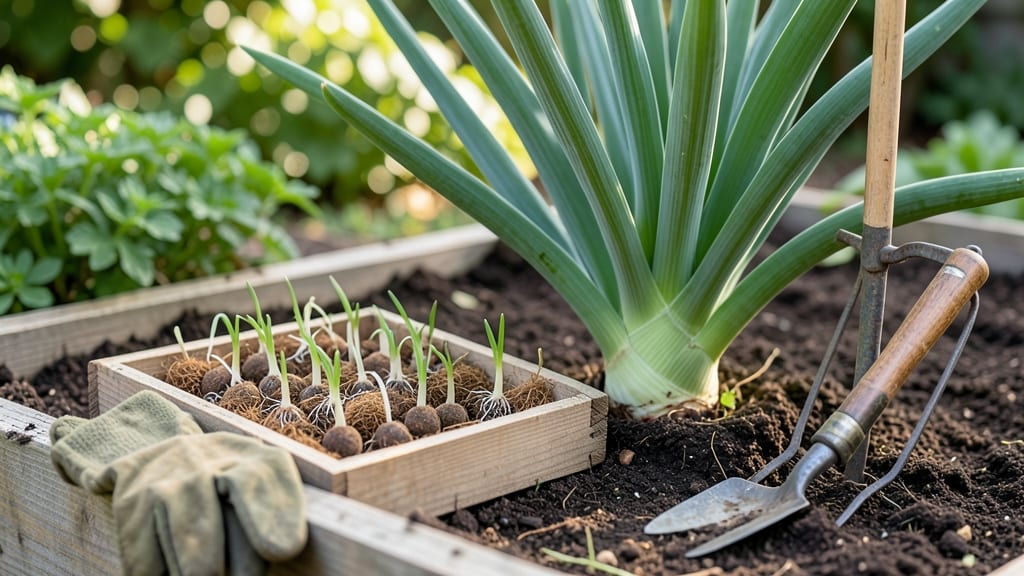
If you’ve ever planted onions in Ohio only to watch them bolt in the heat or rot in cold soil, you’re not alone. The key to a fast and bountiful harvest lies in timing—specifically, when soil temperatures hit that sweet spot between 40°F and 60°F.
Ohio’s 6a climate gives you two prime windows to plant 🧅—spring and fall—but getting it wrong can mean stunted growth or wasted seeds. Whether you’re a seasoned gardener or just starting, knowing the exact months to plant ensures your onions thrive, not struggle.
I’ll break down the ideal planting schedule, including how to adjust for Ohio’s unpredictable frost dates and heat waves. By the end, you’ll know exactly when to get those onion sets in the ground for a harvest that’ll make your kitchen the envy of the neighborhood.
Ready to skip the guesswork? Let’s dive into the science—and simple steps—to plant onions at the perfect time for Ohio’s climate.
Ohio onion planting calendar: best months by soil temperature zones
Ohio’s USDA Zone 6a climate gives you two perfect windows to plant onions: early spring and late summer. The key is soil temperatures between 40–60°F—too warm, and your onions will bolt prematurely; too cold, and germination slows.
Let’s break down the exact months and soil conditions for each planting window.
For spring planting, aim for March to early April, about 2–3 weeks before Ohio’s average last frost date (April 15). This timing ensures your onions sprout before the ground warms too much.
In southern Ohio, you might start as early as late February if the soil isn’t frozen, but northern Ohio gardeners should wait until mid-April to avoid frost damage.
Fall planting is equally critical for a second harvest. Sow seeds or sets in mid-August to early September, giving bulbs 8–10 weeks to mature before the first frost (around October 15). This method produces sweeter, larger bulbs because cooler fall temperatures prevent bolting.
🌱 Ohio Onion Planting Calendar by Season
| Season | Planting Window | Soil Temp for Germination | Key Considerations |
|---|---|---|---|
| Spring | March–Early April | 40–60°F | Avoid late frosts; use row covers if needed. |
| Fall | Mid-August–Early September | 50–65°F | Plant early enough for bulbs to mature before frost. |
💡 Pro Tip: Test soil temperature with a soil thermometer—if it’s above 65°F, wait or use shade cloth to prevent bolting.
Ohio’s microclimates can shift planting windows by 2–4 weeks. For example, urban areas like Columbus (warmer) might plant onions 1–2 weeks earlier than rural northeastern Ohio. Check your local frost dates and adjust accordingly—this is how I’ve avoided failed harvests in past seasons.
If you’re planting onion sets (small bulbs) instead of seeds, you can push the window slightly later. Sets tolerate cooler soil better and can be planted up to 2 weeks after seeds.
This flexibility is why I often use sets for late-March plantings—they germinate faster and reduce the risk of frost damage.
For green onions (scallions), the rules relax slightly. You can plant them throughout spring and fall, even as late as May or September, because they mature quickly (60 days) and tolerate warmer soil.
However, storage onions need the cool-season windows described above for proper bulb formation.
One common mistake Ohio gardeners make is planting onions too early in cold soil. If the ground is below 40°F, germination slows dramatically, and seedlings may rot.
To test soil readiness, press your finger into the ground—if it feels crumbly and cool (not icy), it’s time to plant.
Finally, consider succession planting for a continuous harvest. After your early-April planting, add another batch in mid-May for a summer harvest of green onions. This two-phase approach maximizes your yield and ensures you always have fresh onions on the table.
Remember: Onions hate heat. If summer temperatures creep up, use mulch or shade cloth to keep soil temps ideal. With these timing tips, you’ll grow plump, sweet onions that rival store-bought—without the chemicals!
How to time onion planting for Ohio’s frost dates and heat waves
Ohio’s unpredictable spring frosts and sweltering summer heat can turn your onion dreams into a gardening disaster. The key to success? Planting at the right time to avoid bolting (when onions flower prematurely) or rot from cold, wet soil.
I’ve learned the hard way—skipping this step means tiny bulbs or bitter-tasting harvests.
Most gardeners focus on the last frost date (around April 15 in Ohio), but soil temperature matters more. Onions need 40–60°F soil to germinate. If you plant too early, seeds rot; too late, and they bolt before bulbing. Here’s how to nail the timing every time.
🌱 Pro Tip: Use a soil thermometer to check temperatures before planting. If it’s colder than 40°F, wait a week or two. Warm soil speeds up germination, but onions hate the heat—once temps hit 80°F, growth slows, and bulbs may never form properly.
⚠️ Avoid These Mistakes
Planting too early: Seeds rot in cold, wet soil (below 40°F). Solution: Wait until soil warms to at least 45°F.
Planting too late: Onions bolt in heat waves (above 80°F). Solution: Aim for August 1–15 for fall planting to avoid summer heat.
Ignoring frost dates: Late frosts can kill young seedlings. Solution: Use row covers if planting near Ohio’s April 15 average last frost.
For spring planting, start 2–3 weeks before your last frost date (usually mid-March to early April). If you’re in northern Ohio (like Cleveland or Toledo), err on the later side—soil warms slower.
In southern Ohio (like Cincinnati or Columbus), you can plant as early as late February if soil temps are right.
Fall planting is trickier but rewarding. Onions need 8–10 weeks to mature before the first frost (October 15 in Ohio). That means planting August 1–15 for a late-season harvest. Use heat-tolerant varieties like Texas Early White or Red Baron to push through summer’s heat.
Extend your growing season with mulch—straw or grass clippings keep soil cool and retain moisture. This is especially critical in July and August, when Ohio’s heat can cause onions to bolt. Water deeply in the morning to prevent fungal diseases, and avoid overhead watering to keep foliage dry.
Remember, onions are biennial, meaning they grow leaves the first year and bulbs the second. In Ohio’s climate, most gardeners treat them as annuals for harvest, but you can overwinter them for larger bulbs next year. Just protect them with straw mulch before the first frost!