
Plants
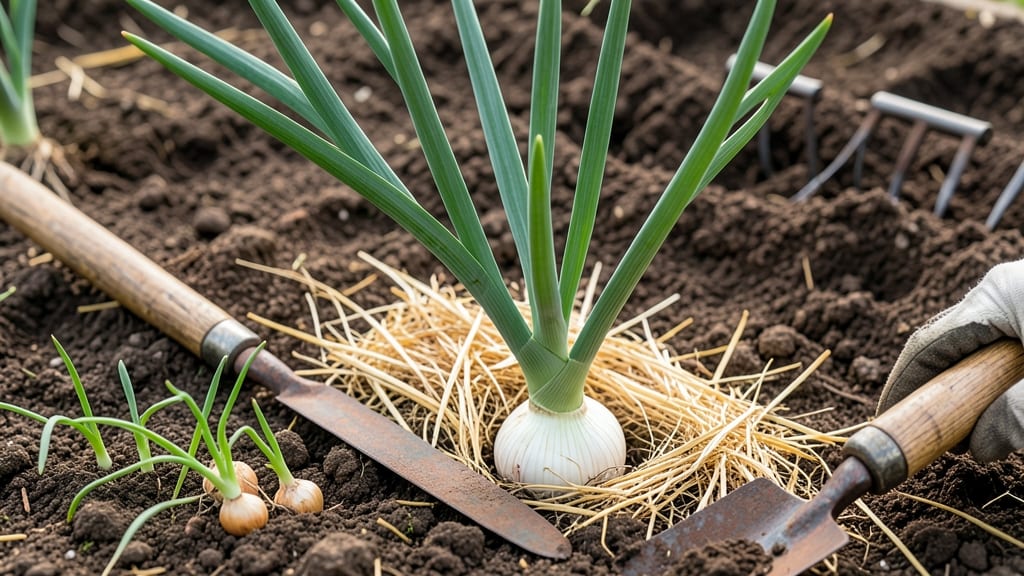
Planting onions in Georgia at the wrong time can mean the difference between a thriving harvest and wasted effort—especially in USDA Zones 7b-8a, where frost dates shift yearly. Too early, and your 🧅 might bolt before bulbing; too late, and you’ll miss peak flavor and storage potential.
The secret lies in two narrow windows: late February through early March for spring onions, or August through early September for fall varieties.
Why does timing matter so much? Georgia’s mild winters and hot summers create a Goldilocks zone for onions—if you nail it. Spring-planted onions need 90-120 days to mature before summer heat triggers bolting, while fall crops must establish roots before the first frost (usually mid-November).
Skipping these windows risks small bulbs or bitter flavors, but get it right, and you’ll enjoy crisp, sweet onions straight from your garden.
Most Georgia gardeners swear by onion sets or transplants over seeds, thanks to our short growing season. Sets (small bulbs) are the easiest for beginners, while transplants give you a head start.
I’ll walk you through exactly when to plant each, how to prep your soil for Georgia’s clay-heavy earth, and which varieties handle our humidity best—plus how to outsmart pests like onion maggots before they strike.
Ready to grow onions that rival the ones at your farmers’ market? Let’s break down the exact planting schedule, soil tricks, and maintenance hacks so you can enjoy a bumper crop—without the guesswork.
Your first harvest could be as early as May, or as late as November, depending on your timing. Here’s how to make it happen.
Best planting timeline for onions in Georgia’s USDA Zones 7b-8a
Georgia’s USDA Zones 7b-8a offer two prime windows for planting onions: late winter/early spring and early fall. The key is avoiding early frost (mid-March) and heat stress (after mid-May).
Spring onions thrive when soil temps hit 40-50°F, while fall crops need to establish roots before first frost in mid-November.
For spring planting, aim for late February to early March—this gives bulbs 90-120 days to mature before summer heat triggers bolting. Fall planting should occur 8-10 weeks before frost, typically August to early September, ensuring harvest before winter dormancy.
Georgia’s long growing season (200+ frost-free days) lets you experiment with both cycles.
Onions are day-length sensitive, so Georgia gardeners must choose varieties carefully. Short-day onions (like 'Texas Early White') bolt less in Georgia’s intermediate-daylight (11-14 hours). Long-day onions (e.g., 'Yellow Sweet Spanish') need cooler springs to bulb properly.
My top recommendation? Start with intermediate-day varieties like 'Candy' or 'Texas Grano' for reliable results.
Here’s the critical timeline for Georgia’s onion planting:
Georgia’s variable spring weather can throw off planting schedules. If unseasonable warmth hits early, onions may bolt before bulbing. My trick? Use shade cloth (30-50%) during 10 AM–2 PM to keep soil temps stable.
For fall crops, prioritize well-draining soil—Georgia’s clay-heavy soils can cause rot if waterlogged after heavy rains.
Pro tip: Test your soil pH before planting—onions thrive in 6.0-7.0. Georgia’s acidic soils (common in Piedmont) may need lime amendments. I add pelletized lime in late fall for spring plantings, giving it 2-3 months to adjust. For containers, mix compost with perlite to improve drainage.
Don’t overlook succession planting! In Georgia’s Zone 8a, you can squeeze in two spring plantings: one in February and another in early April for a staggered harvest.
Just reduce fertilizer nitrogen in the second batch to avoid leggy growth. For fall crops, plant transplants (not seeds) in late August to mature before frost.
Watch for onion thrips and maggots, Georgia’s top onion pests. I’ve had success with row covers in spring and neem oil sprays after rain. Mulch with straw to deter pests and retain moisture—critical during Georgia’s dry springs.
For organic gardeners, companion plant with carrots or beans to confuse pests.
Timing your onion harvest is just as critical as planting. In Georgia, spring onions are ready when tops yellow and fall over (usually May-June). For fall crops, harvest before first frost (mid-November) or cure bulbs indoors.
Leave 1-2 inches of stem to prevent rot during storage. My best-kept secret? Hang cured onions in mesh bags in a cool, dark garage for 3-4 months of freshness.
Best planting timeline for onions in Georgia’s USDA Zones 7b-8a
Georgia’s USDA Zones 7b-8a offer two ideal windows for planting onions: late winter/early spring and early fall. Timing is critical—plant too early, and frost will damage young plants; too late, and your harvest shrinks before winter.
My exact schedule aligns with Georgia’s average last frost date (mid-March) and first frost (mid-November), with adjustments for short-day, intermediate-day, and long-day varieties.
For spring planting, aim for late February to early March—about 4-6 weeks before your last frost. This gives onions time to establish roots before soil warms. Fall planting should happen 8-10 weeks before your first frost, typically August to early September.
Fall onions often produce sweeter bulbs and overwinter well in Georgia’s mild climate.
Soil temperature is your best guide. Onions thrive when soil reaches 45–55°F. Use a soil thermometer to confirm—cool but not frozen soil is ideal. In Georgia, this usually aligns with late February for spring and early September for fall, but check local forecasts for early/late frosts.
📅 Georgia Onion Planting Timeline
| Season | Planting Window | Soil Temp | Variety Notes |
|---|---|---|---|
| Spring | Late Feb–Early Mar | 45–55°F | Short-day: 'Texas Early White' or intermediate: 'Yellow Granex' |
| Fall | Aug–Early Sep | 50–60°F | Long-day: 'Sweet Spanish' or 'Red Creole' |
| Overwintering | Oct–Nov (mulch) | 40–50°F | Hardy: 'Candy' or 'Storage White' |
🌱 Pro Tip: Use sets or transplants for faster harvests; seeds take longer to mature.
Georgia’s humidity and heat demand extra care. After planting, mulch with straw to retain moisture and prevent soil-borne diseases like onion rot. In spring, watch for early bolting—if days warm too soon, use shade cloth (30%) to delay flowering.
For fall plantings, focus on well-draining soil to avoid winter waterlogging.
Harvest timing varies by variety. Spring onions are ready in 90–120 days (May–June), while fall varieties mature in 100–130 days (October–November). Pull bulbs when tops yellow and fall over, then cure them in a dry, shaded area for 2–3 weeks before storage.
Georgia’s mild winters let you extend harvests—just cover beds with row fabric if frost threatens.
Missed the ideal window? Don’t panic. Transplant young onions from containers or buy pre-sprouted sets from nurseries. Just adjust your fertilizer schedule—younger plants need less nitrogen to avoid leggy growth.
With Georgia’s 120–150 frost-free days, you can even try a second fall crop if your first planting bolts early.