
Plants
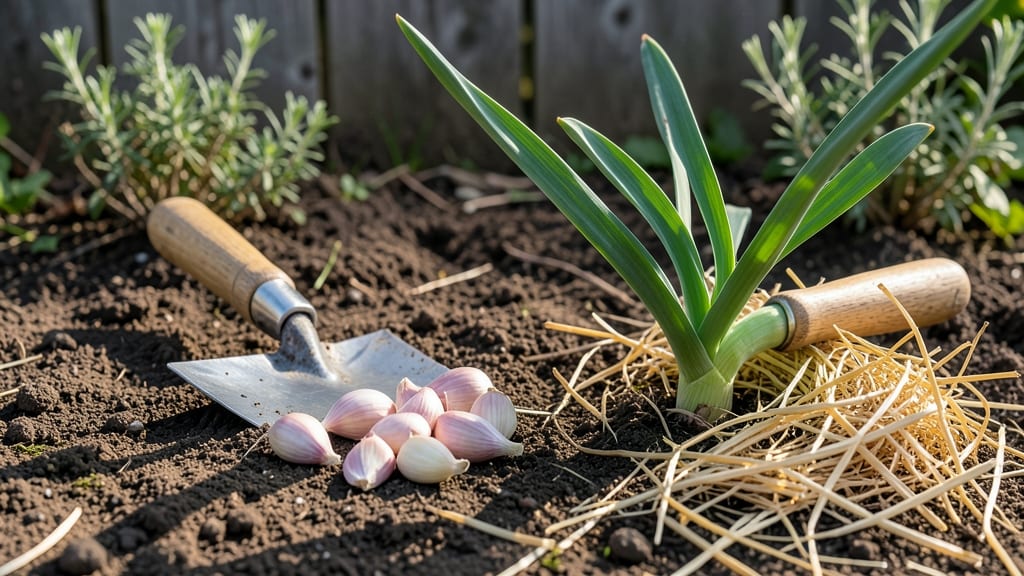
Planting garlic in Georgia at the wrong time can mean the difference between a bountiful harvest of plump 🧄 bulbs and tiny, underdeveloped cloves that barely make it through winter.
The key to success lies in timing—specifically, a narrow fall window that aligns with Georgia’s 7b-8b climate zones and frost patterns.
Most gardeners in the Peach State know that garlic thrives when planted in October or November, but getting the exact dates right is what separates a great crop from a mediocre one.
Too early, and your cloves may sprout before winter sets in; too late, and they won’t establish strong roots before the ground freezes. The goal? Plant when soil temperatures dip but haven’t yet solidified—typically 4-6 weeks before the first frost.
Why does this matter so much? Because garlic is a cool-season crop that needs time to develop a strong root system before winter dormancy. In Georgia, where temperatures can fluctuate wildly, missing this window means weaker plants that struggle to produce large bulbs come harvest time.
I’ll walk you through the exact deadlines for your region, plus soil prep tips and mulching strategies to give your garlic the best shot at success.
Even if you’ve tried planting garlic before with mixed results, this is your chance to get it right. Whether you’re a seasoned gardener or just starting out, understanding the optimal fall planting window will help you grow garlic that’s hardy, flavorful, and ready to harvest by late spring.
Let’s make sure your next batch of 🧄 doesn’t just survive—it thrives.
Georgia’s ideal garlic planting timeline: fall deadlines by region
Timing is everything when planting garlic in Georgia, and the fall planting window is your best bet for hardneck varieties—the type most gardeners grow. Unlike many crops, garlic needs a period of cold dormancy to form bulbs, so planting too early or late can ruin your harvest.
For Georgia’s USDA Zones 7b-8b, the ideal time falls between mid-October and mid-November, but exact dates vary by region due to temperature differences.
In Northern Georgia (Chattanooga, Dalton, Blue Ridge), cooler temps arrive earlier, so aim to plant by October 15. Meanwhile, Central Georgia (Atlanta, Macon) has a slightly longer window, with October 30 as the cutoff. For Southern Georgia (Savannah, Brunswick), push planting to November 15 before the first frost hits.
The key is getting cloves in the ground 4-6 weeks before the first hard frost—this gives roots time to establish before winter dormancy.
Here’s the visual breakdown of your Georgia garlic planting timeline by region, including soil temperature thresholds and frost considerations:
| Region | Planting Window | Soil Temp Threshold | Frost Deadline | Notes |
|---|---|---|---|---|
| Northern GA | Oct 1–15 | 50–60°F | Nov 1 | Cooler soils; use mulch |
| Central GA | Oct 15–30 | 55–65°F | Nov 15 | Moderate temps; ideal zone |
| Southern GA | Nov 1–15 | 60–70°F | Nov 20 | Warmer soils; extend window |
If you’re planting in early October, monitor soil temps closely—garlic roots need to establish before freezing. Use a soil thermometer to check for 50–60°F at 4-inch depth. For late plantings in November, prioritize dwarf varieties like ‘Silverskin’ or ‘Creole’, which tolerate warmer soils better than hardnecks.
Pro tip: Plant 4–6 weeks before your average first frost date. In most of Georgia, that’s October 15–November 15, but check your local Cooperative Extension Service for precise frost data. For example, Athens typically sees frost by November 10, while Savannah holds off until November 25.
Don’t stress if you miss the fall window—spring planting is possible (though less ideal), but it requires different varieties and care. The critical factor is ensuring garlic gets 60–80 days of cold temperatures (below 40°F) to form bulbs.
In Georgia’s mild winters, this often means fall planting is your only reliable option for hardneck varieties.
Once planted, mulch heavily with straw or leaves to protect cloves from freezing and retain moisture. Remove mulch in early spring to let soil warm and encourage growth.
With the right timing, your garlic will emerge in late winter and be ready to harvest by late April–June, depending on your variety.
For organic gardeners, add compost or aged manure to planting beds before sowing. Garlic thrives in well-draining, slightly acidic soil (pH 6.0–7.0), so test your soil and amend if needed. A light fertilizer application in early spring will boost bulb size without overfeeding.
Remember: Hardneck garlic (the most popular type) needs cold to form scapes and bulbs, while softneck varieties (like ‘Artichoke’) can sometimes succeed with spring planting in Georgia’s Zone 8b areas.
But for the best results, stick to fall planting and enjoy the satisfaction of pulling up plump, flavorful bulbs by summer!
Georgia’s ideal garlic planting timeline: fall deadlines by region
Georgia’s climate varies dramatically from the cooler North Georgia mountains to the warmer South Georgia coastal plains, so planting garlic at the wrong time can mean the difference between a thriving crop and a failed harvest.
The optimal window for fall planting is 4-6 weeks before the first frost, but exact dates shift depending on your location within the state’s USDA zones 7b-8b.
For North Georgia (Athens, Blue Ridge, Dahlonega), where frosts arrive earlier, aim to plant between mid-October and early November. In Central Georgia (Atlanta, Macon, Columbus), you’ve got a slightly longer window—late October through mid-November.
Meanwhile, South Georgia (Savannah, Valdosta, Brunswick) gardeners can plant as late as early-to-mid December due to milder winters.
Here’s the critical factor: soil temperatures. Garlic cloves need soil temps between 40°F and 50°F to sprout successfully. Planting too early (when soil is still warm) can trigger premature sprouting, while planting too late (when soil is already frozen) prevents root establishment.
Use a soil thermometer to verify conditions before committing to your planting date.
🌱 Georgia Garlic Planting Deadlines by Region
| Region | Planting Window | Soil Temp Goal | First Frost Avg. | Key Tip |
|---|---|---|---|---|
| North Georgia | Mid-October – Early November | 40°F–50°F | November 1–15 | Mulch heavily to protect from early frosts. |
| Central Georgia | Late October – Mid-November | 45°F–55°F | November 10–25 | Choose hardneck varieties for better cold tolerance. |
| South Georgia | Early–Mid December | 50°F–60°F | December 1–15 | Extend season with row covers if needed. |
📅 Pro Tip: Check your local frost date and count backward 6 weeks to refine your planting schedule.
If you’re in a transitional zone (like the Atlanta area), pay attention to weekly weather forecasts. A sudden cold snap can push your planting window earlier than expected.
I’ve learned the hard way that rushing to plant garlic in late November often leads to poor root development, so when in doubt, plant on the earlier side of the recommended window.
One final consideration: soil drainage. Georgia’s clay-heavy soils can become waterlogged in winter, which is deadly for garlic. Amend your beds with compost or sand before planting to ensure excess water drains away. This simple step can save your crop from rotting in soggy soil during the dormant season.
By aligning your planting with these regional deadlines—and verifying soil conditions—you’ll give your garlic the best chance to establish strong roots before winter sets in. Next, we’ll cover how to prepare those cloves for planting like a pro. 🧄