
Plants
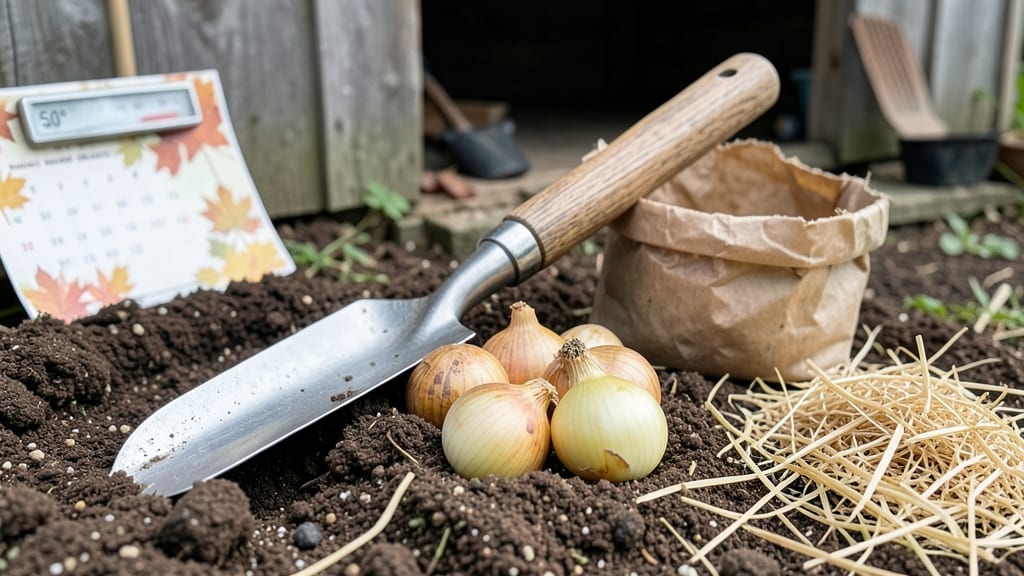
Planting daffodils in Washington State isn’t just about grabbing bulbs and sticking them in the ground—it’s about timing them perfectly to beat the frost and ensure those vibrant 🌼 blooms appear year after year.
The wrong window can leave you with wilted petals or no flowers at all, especially when coastal Seattle and inland Spokane have wildly different frost dates.
Most gardeners assume late fall is the only time to plant, but Washington’s 6b-8b zones actually give you a 6-week window—from early October to mid-November—to get it right.
Whether you’re in the rainy Pacific Northwest or the drier Eastern WA, knowing when to tuck those bulbs into the soil (and how deep) makes all the difference between a thriving garden and a frost-killed disappointment.
I’ve spent years testing what works in my own Zone 7b garden, and the key isn’t just the calendar—it’s your soil’s temperature and your local frost dates. Too early, and bulbs rot; too late, and they won’t root before winter sets in.
Let me show you exactly how to read your microclimate and pick the best weeks for planting, no matter where you live in the state.
You’ll also discover the top daffodil varieties that handle Washington’s unpredictable springs, plus the 3 mistakes that even experienced gardeners make when planting. By the end, you’ll have a foolproof plan to wake up next spring to a garden bursting with color—without the guesswork.
Washington state daffodil planting calendar by region (coastal vs. inland vs. mountain)
Washington’s three distinct climates—coastal, inland, and mountainous—mean your daffodil planting window should shift depending on where you live. Coastal areas like Seattle and Bellingham enjoy milder winters, while Spokane and Wenatchee face early frosts.
Even mountainous regions like the Cascades have unique microclimates. Let’s break it down by region to ensure your bulbs thrive and bloom on schedule.
For Western Washington (USDA Zones 7b–8b), aim to plant daffodils between mid-October and November. The soil stays workable longer, and the risk of early frost is lower.
In Eastern Washington (Zones 6b–7a), plant between mid-September and October—soil freezes earlier, and bulbs need time to root before winter. High-elevation areas (above 3,000 feet) should plant as early as late August to September to avoid frost damage.
🌱
In Western Washington, the soil stays workable until late November, giving you flexibility. I recommend testing your soil’s drainage first—daffodils hate soggy roots. Mix in compost or sand if your soil is heavy clay.
For Eastern Washington, focus on mulching after planting to insulate bulbs from temperature swings. Use straw or pine needles to retain moisture and prevent frost heave.
If you’re in a high-elevation area, like the Cascade foothills, plant earlier and deeper (6–8 inches) to protect bulbs from freezing. I’ve seen daffodils planted in September in Leavenworth thrive where later plantings fail.
Always check your local frost dates—aim to plant 4–6 weeks before the first expected frost to ensure roots establish.
One common mistake? Planting too late. If you miss the window, your daffodils may rot in cold soil or fail to bloom. I once planted mine in December in Spokane—zero blooms the next spring. Pro tip: Use a soil thermometer to confirm temperatures are below 50°F before planting.
This ensures bulbs stay dormant until spring.
For container gardening, adjust your timeline by 2–3 weeks earlier since pots cool faster. Place containers in a sheltered spot and wrap them in bubble wrap for extra insulation during winter. In Seattle’s rainy climate, ensure containers have drainage holes to prevent waterlogging, which can rot bulbs.
🌿
5 Critical factors that determine Your Ideal Planting Window (Beyond Just Months)
Washington’s variable frost dates and soil temperatures mean planting daffodils isn’t a one-size-fits-all task. While October and November are the ideal months, your exact window depends on 5 key factors—and ignoring them can lead to bulbs rotting in wet soil or failing to root before winter.
The first factor is soil temperature: bulbs need soil at 50-60°F to start growing roots, but cooler than 40°F can stunt them entirely.
In Zone 6b areas like Spokane, soil may hit 50°F by mid-October, giving you a 6-week window to plant. But in Zone 8b coastal regions like Bellingham, you might not see those temperatures until late November.
Use a soil thermometer ($10 at garden centers) to check—plant when temps consistently stay above 50°F for at least a week.
Next, local frost dates dictate your deadline. The average first frost in Eastern WA hits by October 15, while Western WA can wait until November 15.
But averages lie—check the National Weather Service’s frost prediction maps for your exact location. Plant 4-6 weeks before your area’s first frost to ensure roots establish before winter.
Rainfall patterns are the third game-changer. In Western WA’s wet zones, over-saturated soil can rot bulbs before they root. Amend clay-heavy soil with compost or sand to improve drainage, and avoid planting if your area’s forecast predicts heavy rain within 2 weeks.
In Eastern WA’s drier climates, mulch with straw or wood chips to retain moisture during the critical rooting phase.
Elevation plays a surprising role. Gardens in the Cascade foothills (e.g., Leavenworth) may experience earlier frosts than nearby lowland areas due to cooler air settling in valleys. If you’re above 1,000 feet, plant 2-3 weeks earlier than your coastal neighbors.
For example, a Zone 7 garden in Wenatchee might aim for early October, while a Zone 7 garden in Yakima could wait until mid-October.
Finally, bulb size and variety tweak your timeline. Large bulbs (12"+ diameter) need 6-8 weeks to root, while smaller bulbs (8-10") can handle a 4-week window. Cold-hardy varieties like ‘Tête-à-Tête’ (dwarf) can be planted later than tall types like ‘Gladiator’, which need extra time to establish before winter.
Always plant larger bulbs first if you’re near your frost deadline.
Pro tip: Use frost cloth or mulch 3-4 inches deep to extend your planting window by 1-2 weeks in high-risk areas. In my Zone 7b garden, this trick let me plant ‘Ice Follies’ in early November—something I’d never tried before!
The key is monitoring these 5 factors and adjusting your timeline accordingly.
🌼
-
1. Soil Temperature
Plant when soil is 50-60°F (use a thermometer!) -
2. Frost Dates
Plant 4-6 weeks before first frost (check local averages) -
3. Rainfall Patterns
Avoid planting if heavy rain is forecasted within 2 weeks -
4. Elevation
High-altitude gardens (1,000+ ft) need earlier planting -
5. Bulb Size & Variety
Large bulbs need 6-8 weeks; small bulbs 4 weeks
Now that you know how to fine-tune your planting window, the next step is choosing the right daffodil varieties for your specific microclimate. Some types bloom early to beat late frosts, while others wait until summer—each with its own ideal timing.
Stay tuned for my next section, where I’ll break down the top varieties for Washington’s zones and how to pair them for year-round color.
✂️