
Planting
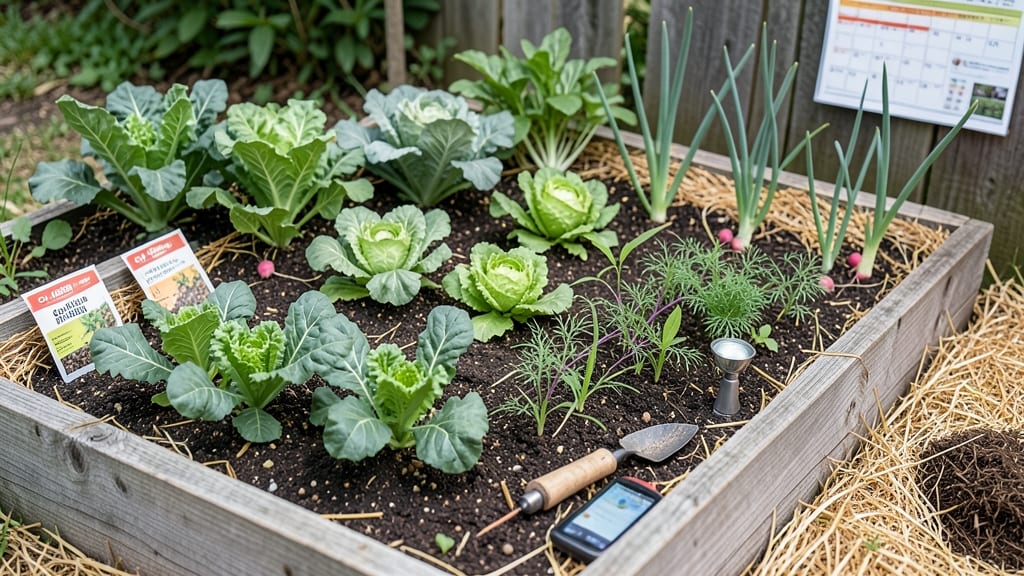
When to plant a vegetable garden in Seattle isn’t just about following a calendar—it’s about outsmarting the Pacific Northwest’s infamous spring showers and sudden heat waves. Plant too early, and a late frost will turn your seedlings into sad, wilted memories; too late, and you’ll miss the sweet spot between May’s last frost and October’s first chill.
Here’s the secret: Seattle’s coastal areas and inland spots have very different planting windows—sometimes weeks apart. While coastal gardens can start spinach as early as March 15, inland areas might wait until April 15 to avoid frost.
I’ll break down exactly when to plant everything from peas to tomatoes, so you can grow a garden that thrives year after year.
You’ll also learn how to adjust for Seattle’s microclimates—whether you’re in a rainy west-side neighborhood or a hotter east-side pocket. With the right timing, you can stretch your harvest from May through November, even in Zone 8a’s short growing season.
Ready to stop guessing and start growing? Let’s dive into the exact planting schedule that works for your Seattle garden—no more wasted seeds or disappointed dreams.
Seattle planting calendar: coastal vs inland start dates by month
Seattle’s microclimates create a unique challenge for gardeners. Coastal areas near Puget Sound stay cooler and wetter, while inland spots like Redmond or Bellevue can be 10°F warmer in summer. These differences shift planting windows by 2-4 weeks—so knowing your zone is critical.
Below, I’ve broken down the optimal planting months for both areas, including last-frost dates and cold-hardy crops that thrive in Seattle’s short season.
For coastal Seattle, the last average frost date is April 25, while inland areas typically see their last frost by April 15. This shift means you can plant warm-season crops like tomatoes and peppers 2 weeks earlier in inland areas.
Conversely, coastal gardeners should wait until May 1 to avoid late-spring frosts that can devastate tender seedlings.
Here’s how to align your planting with Seattle’s two distinct climates, including cool-season crops (like kale and peas) that can handle early springs and warm-season crops (like basil and cucumbers) that need warmth to thrive.
Seattle’s fall planting window is just as critical as spring. Coastal areas can plant cool-season crops until August 15, while inland gardeners might push it to September 1.
This is your chance to grow kale, spinach, and carrots for harvests through November. I’ve seen hardy varieties like ‘Winterbor’ kale survive until Christmas with proper protection!
One of my biggest lessons? Don’t rush warm-season crops like tomatoes. Inland Seattle can handle them by April 20, but coastal gardeners should wait until May 10 to avoid late frosts.
I once lost an entire tomato seedling batch in 2021 because I planted too early near the waterfront—never again!
For succession planting, focus on fast-growing
How to adjust your planting schedule for Seattle’s microclimates
Seattle’s microclimates can shift planting windows by weeks—especially between coastal areas (like West Seattle) and inland zones (like Redmond). Coastal regions stay 5–10°F cooler and experience more morning fog, while inland spots bake faster in summer. Understanding these differences helps you time plantings perfectly.
For example, coastal gardeners can start spinach or peas as early as mid-March, but inland growers should wait until late March to avoid late-spring frosts. Similarly, tomatoes and peppers thrive when planted 2–3 weeks earlier inland than near Puget Sound, where soil warms slower.
🌱 Key adjustments:
- Coastal: Plant cool-season crops (like kale or carrots) 4–6 weeks earlier than inland.
- Inland: Start warm-season crops (like basil or cucumbers) 2 weeks earlier to capitalize on faster soil warming.
🌡️ Microclimate Planting Tips
- 🌊 Coastal Areas: Use row covers to protect early plantings from chilly coastal winds.
- 🏔️ Inland Zones: Mulch heavily to retain heat for warm-season crops like corn or beans.
- 🏙️ Urban Heat Islands: Plant heat-loving crops (e.g., okra, sweet potatoes) 1–2 weeks earlier than rural areas.
- ⛰️ Elevated Areas: Wait until after May 1 to plant frost-sensitive crops like tomatoes.
Pro tip: Check your local frost-free date—coastal areas average April 15, while inland spots hit May 1.
Another trick? Succession planting works differently by microclimate. Inland gardeners can stagger plantings every 2 weeks from June to August, while coastal growers should space plantings 3 weeks apart to avoid overcrowding in slower-growing conditions.
If you’re unsure about your microclimate, test your soil temperature with a soil thermometer. Most warm-season crops need soil at 60°F+, while cool-season crops tolerate 40–50°F. Inland soils hit these temps 2–3 weeks earlier than coastal spots.
For container gardening on balconies or patios, adjust timing based on exposure. South-facing containers warm faster than north-facing ones—plant warm-season crops 1 week earlier in sunny spots. Meanwhile, shaded areas may need row covers to extend the season.
Finally, keep a garden journal for 2–3 years to track your local microclimate’s quirks. Note when unexpected frosts hit or when soil warms unusually fast. Over time, you’ll refine your planting schedule like a pro—because in Seattle, every neighborhood has its own rhythm.