
Plants
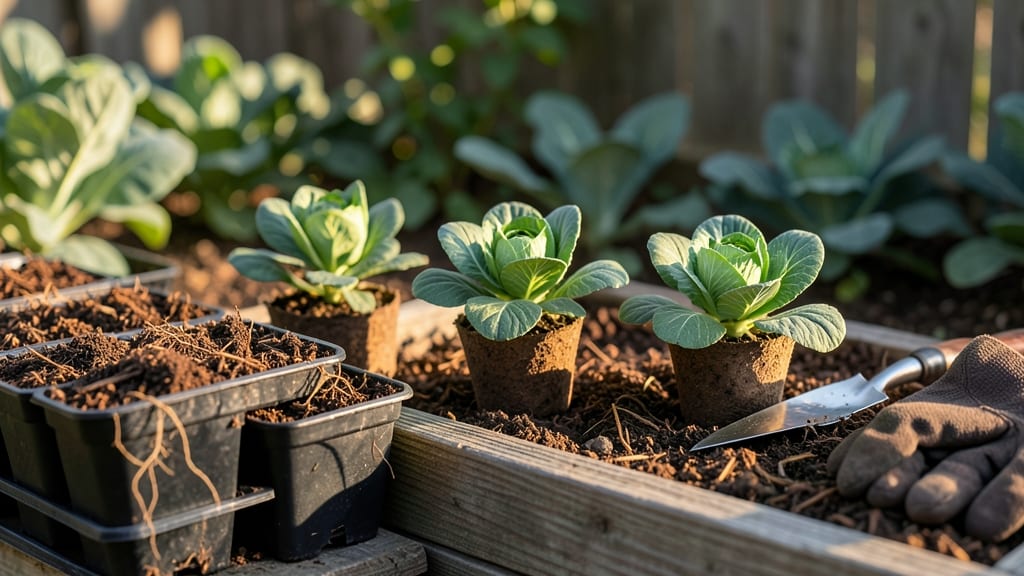
Planting cabbage in Georgia at the wrong time can mean the difference between a bountiful harvest and a sad, wilted disappointment. With its mild winters and warm springs, Georgia offers two prime windows—but missing the mark by even a few weeks can trigger bolting or pest invasions.
The key? Understanding your heat zone and microclimate, whether you're in the cooler mountains or the humid coastal plains.
Most Georgia gardeners swear by late winter to early spring (February–March) for their first crop, but fall planting (August–September) is just as critical for a late-season harvest.
The trick lies in soil temperature and frost dates: cabbage thrives when nights stay cool, but too much heat sends it running to seed. I’ll break down the exact dates for your zone—and how to adjust for Georgia’s tricky transitions between seasons.
Why does timing matter so much? Because cabbage isn’t just picky—it’s frost-sensitive yet heat-intolerant. Plant too early, and you’ll battle slugs in soggy soil; too late, and your heads won’t mature before summer’s sweltering grip.
The solution? Succession planting and heat-tolerant varieties tailored to your corner of Georgia. Let’s get your garden on the right track for crisp, homegrown 🥬 all season long.
In this guide, you’ll discover the zone-specific calendar that separates guesswork from success, plus pro tips for soil prep, shade strategies, and avoiding common mistakes that derail Georgia gardens.
Whether you’re a first-time grower or a seasoned pro, these insights will help you time your plantings like a local—and enjoy a harvest that puts store-bought to shame.
Georgia’s cabbage planting calendar by heat Zone (Zone 7-9)
Georgia’s diverse climate—from the cool Blue Ridge Mountains to the humid coastal plains—means cabbage planting dates vary wildly. In Zone 7a (north), you’ll plant earlier than in Zone 8b (south), where summer heat can stress seedlings.
The key is aligning your schedule with soil temperatures (ideal: 45–75°F) and frost dates to avoid bolting or stunted growth.
Most Georgia gardeners focus on two planting cycles: early spring (for spring harvests) and late summer (for fall/winter harvests). Spring plantings start 6–8 weeks before your last frost date (typically mid-February to early March), while fall plantings begin in August to mature before the first frost (usually mid-November).
Here’s your heat-zone breakdown for both direct sowing and transplanting, including the best cabbage varieties for each season:
| Zone/Season | Planting Window | Method | Varieties | Harvest Time |
|---|---|---|---|---|
| Zone 7a (North GA) | March 1–April 15 | Transplant seedlings | ‘Red Express’, ‘Golden Acre’ | May–June |
| Zone 7a (Fall) | August 1–September 1 | Direct sow or transplant | ‘Savoy King’, ‘Windsor’ | October–December |
| Zone 7b (Central GA) | February 20–March 30 | Transplant seedlings | ‘Crimson Love’, ‘Early Jersey Wakefield’ | April–May |
| Zone 7b (Fall) | July 15–August 15 | Direct sow or transplant | ‘January King’, ‘Stonehead’ | September–November |
| Zone 8a (South GA) | January 15–February 20 | Transplant seedlings | ‘Golden Ball’, ‘Patriot’ | March–April |
| Zone 8a (Fall) | June 15–July 15 | Direct sow or transplant | ‘Chef’s Choice’, ‘Supermer’ | August–October |
For direct sowing, plant seeds ¼ inch deep and space them 1–2 inches apart, thinning to 18–24 inches between mature plants. If transplanting, harden off seedlings for 7–10 days before setting them out to prevent shock.
Use shade cloth in summer to protect seedlings from heat stress in Zone 8a.
Pro tip: In Zone 7a, cover seedlings with row covers if late frosts threaten. In Zone 8a, prioritize heat-tolerant varieties like ‘Golden Acre’ or ‘Patriot’ to avoid bolting. Always amend soil with compost to improve drainage and fertility before planting.
Succession planting is a game-changer in Georgia. After your first harvest, sow new seeds every 2–3 weeks in spring or every 3–4 weeks in fall to stretch your harvest season. This works especially well for leaf cabbage varieties, which tolerate lighter frosts than heading types.
Monitor soil moisture closely—Georgia’s summer heat dries soil quickly. Mulch with straw or shredded leaves to retain moisture and regulate soil temperature. In Zone 8a, mulch also helps prevent cabbage maggots, a common pest in humid climates.
Finally, watch for bolting signs (tall flower stalks) if temperatures rise above 80°F for prolonged periods. This is more common in late spring plantings in Zone 8a. If you see bolting, harvest leaves immediately or replant for a fall crop.
🌱
How to adjust planting dates for Georgia’s microclimates (mountains vs. coastal)
Georgia’s geography creates dramatic differences between its mountainous north (like Zone 7a) and humid coastal plains (like Zone 8b). These variations mean your cabbage planting dates should shift based on elevation, humidity, and heat intensity.
In the Blue Ridge Mountains, cooler nights delay spring planting by 2–3 weeks compared to Savannah’s flatlands, where summer heat forces earlier fall plantings. Let’s break down the key adjustments for each region to avoid bolting or heat stress.
🌱 Pro Tip: Use shade cloth in hot zones and row covers in cooler zones to extend planting windows by 1–2 months.
| Region | Spring Planting Window | Fall Planting Window | Key Adjustments |
|---|---|---|---|
| North Georgia (Zone 7a) | March 15–April 15 | August 1–September 15 | Use row covers for earlier starts; choose cool-season varieties like ‘Red Express’. |
| Piedmont (Zone 7b) | March 1–April 10 | July 20–August 30 | Plant heat-tolerant varieties like ‘Golden Acre’; mulch heavily to retain moisture. |
| Coastal Plains (Zone 8a-8b) | February 15–March 10 | June 15–July 20 | Prioritize shade during peak heat; avoid planting after July 15 to prevent bolting. |
In North Georgia, where frost lingers until mid-April in higher elevations, focus on transplanting hardened seedlings after your last frost date.
For South Georgia, where temperatures soar by June, shift to early morning planting and provide afternoon shade with lightweight row covers or drip irrigation to keep soil cool. Varieties like ‘Golden Acre’ thrive in heat, while ‘Red Express’ is better suited for cooler mountain climates.
💧 Watering Hack: In coastal areas, water deeply every 2 days during summer to prevent cracking heads from heat stress.
For succession planting, stagger your fall crops every 2 weeks from August to September in the Piedmont, or July to August in the coastal plains. This ensures a continuous harvest before the first frost.
Always monitor your local extended weather forecast—unexpected heat waves can push your planting window 1–2 weeks earlier than expected.
🌡️ Soil Temp Check: Wait until soil reaches 45°F (7°C) for spring plantings and 70°F (21°C) for fall to avoid stunted growth.
Finally, consider container gardening in extreme heat zones. Pots allow you to move plants to shadier spots or even indoors during 100°F+ days. Just ensure containers have drainage holes and use moisture-retentive potting mix to mimic Georgia’s humid climate.
🌿