
Plants
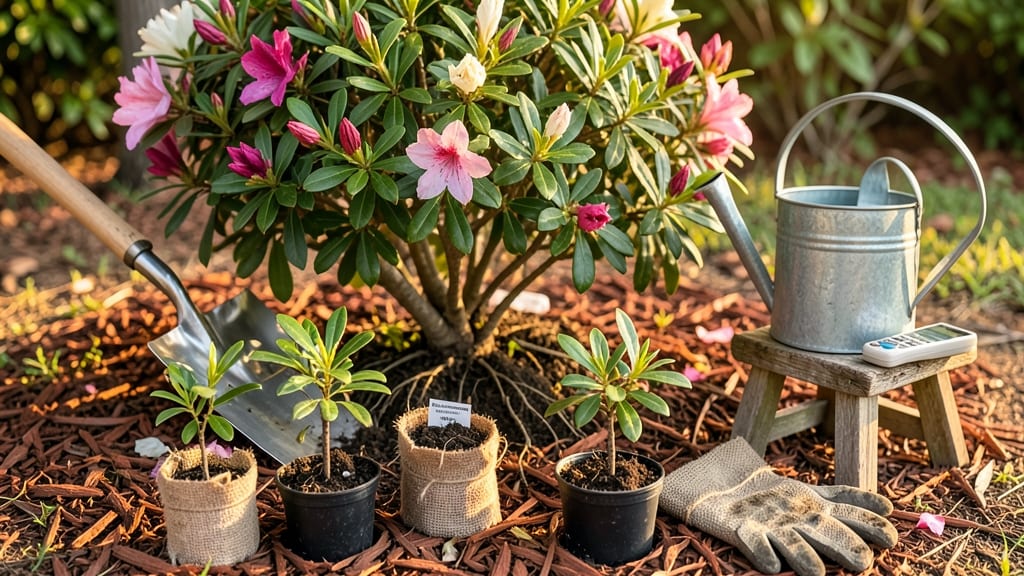
Planting azaleas in Florida at the wrong time can turn your dream shrub into a sad, struggling 🌸 that never blooms. The key to vibrant, frost-free azaleas lies in timing—specifically, two critical windows that align with Florida’s unique climate zones.
Fall planting (October–November) gives roots time to establish before summer’s brutal heat, while early spring (February–March) works for areas with milder winters. But here’s the catch: North Florida’s frost risk changes everything compared to South Florida’s frost-free growing season.
I’ll break down the exact months for your region, plus how to prep soil and care for your azaleas so they thrive—no matter where you live in the Sunshine State. Let’s get those roots settled for a showstopping spring bloom.
Whether you’re a first-time gardener or a seasoned pro, these simple steps will ensure your azaleas grow strong and healthy year after year. Ready to plant with confidence?
Optimal Florida azalea planting months by region: avoid frost zones
Florida’s climate varies dramatically from North to South, making azalea planting timing a regional game-changer. In North Florida (USDA Zones 8a-8b), frost can still threaten young plants, while South Florida (Zones 10a-11) offers frost-free windows year-round.
The key? Plant when soil temps are ideal (60-70°F) and avoid transplant shock during extreme heat or cold.
For most of Florida, fall (October-November) and early spring (February-March) are the sweet spots. These months align with natural rainfall patterns, cooler temps, and reduced pest pressure. Let’s break it down by region to ensure your azaleas thrive from day one.
🌸
| Region | Best Planting Window | Soil Temp Goal | Frost Risk | Key Cue |
|---|---|---|---|---|
| North Florida (Zones 8a-8b) | October 15 - November 15 | 60-70°F | High (Jan 15) | After first frost |
| Central Florida (Zones 9a-9b) | September 15 - November 30 | 65-75°F | Low (Dec 1) | Before summer heat |
| South Florida (Zones 10a-11) | October - March | 70-80°F | None | Year-round flexibility |
| All Regions (Spring) | February 15 - March 15 | 60-70°F | Low | Before bud swell |
In North Florida, the October 15-November 15 window is critical—planting after this risks winter frost damage to tender roots. Aim for 60-70°F soil temps to encourage root growth before dormancy. Use mulch (3-4 inches) to insulate roots if frost looms.
Central Florida gardeners have more flexibility, with September 15-November 30 as the ideal range. The hurricane season lull (late fall) makes this period safer for transplanting. If you miss fall, February-March offers a second chance—just avoid planting when buds begin to swell, as this stresses the plant.
South Florida’s frost-free climate means azaleas can go in year-round, but October-March still delivers the best results. The cooler temps and higher humidity reduce transplant shock. For container-grown azaleas, this region’s flexibility lets you plant even in summer months, though expect slower initial growth.
Regardless of region, avoid summer planting (April-September). The intense heat and drought stress young roots, while humidity spikes fungal risks. If you must plant in summer, use shade cloth (30-50%) and daily watering to compensate.
🌿
Pro tip: Check your local Florida Climate Center data for 30-day forecasts before planting. A 7-day stretch of rain can waterlog soil, while dry spells may require supplemental irrigation. Container azaleas need daily watering during establishment, regardless of season.
For bare-root azaleas, soak roots in water for 1-2 hours before planting to revive them. Amend native soil with peat moss or pine bark to maintain the acidic pH (4.5-6.0) azaleas crave. After planting, water deeply (1-2 gallons) to eliminate air pockets around roots.
Signs your Florida azalea planting timing is perfect (or terrible)
Planting azaleas in Florida at the wrong time can lead to root stress, poor blooming, or even death. But how do you know if you’ve chosen the ideal window? Watch for these key indicators of perfect—or disastrous—planting timing.
First, check the soil temperature. For azaleas, soil should be between 60°F and 70°F—cooler than summer but warmer than winter. Stick your finger 2 inches deep; if it feels cool but not freezing, you’re in the sweet spot for root growth.
Next, observe the weather forecast. Avoid planting during heatwaves (above 90°F) or heavy rain events, as both can shock young roots. A 5-day forecast with mild temps and no storms is your best bet.
Now, let’s talk about the plant itself. Healthy azalea roots should look white or light tan and firm, not brown or mushy. If the nursery pot feels bone-dry, soak it for 10-15 minutes before planting to prevent transplant shock.
⚠️ Deadly Planting Mistakes in Florida
- Planting in summer heat: Causes leaf scorch and root burn.
- Ignoring frost warnings: Even South Florida can get light frosts in January.
- Skipping soil prep: Azaleas hate alkaline soil—test pH first!
- Overwatering immediately: Leads to root rot in Florida’s humidity.
On the flip side, perfect timing shows itself in vigorous new growth within 4-6 weeks of planting. Look for bright green leaves and buds forming by late winter—these are signs your azalea is settling in happily.
If you notice yellowing leaves or drooping branches after planting, you’ve likely planted at the wrong time. This often happens in late spring when heat stress kicks in. Adjust your schedule to fall or early spring next time.
Pro tip: Mulch heavily after planting to keep roots cool and moist. Use 3-4 inches of pine bark mulch, which also acidifies the soil naturally—a win-win for azaleas!