
Plants
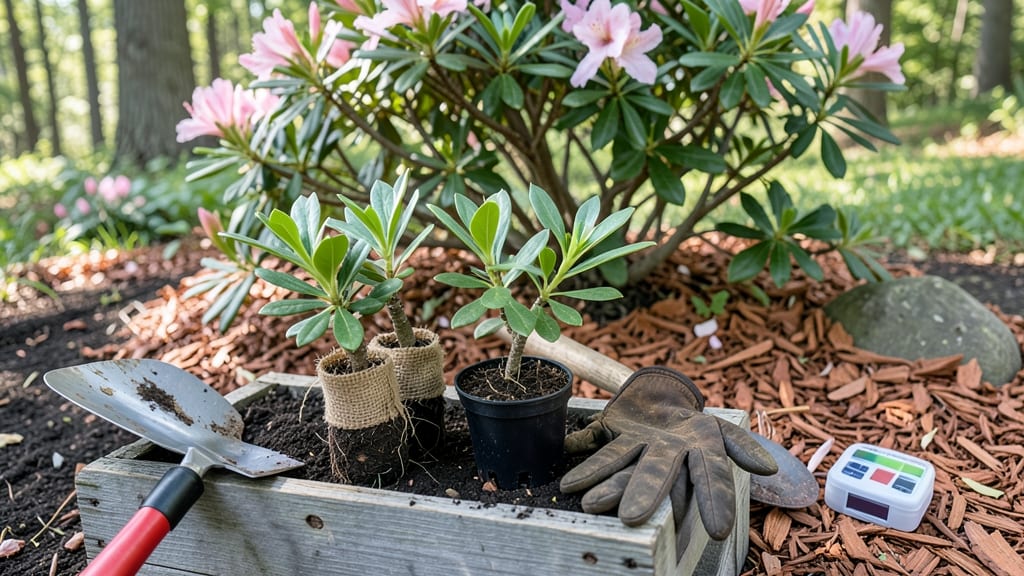
Planting azaleas in Alabama at the wrong time can mean struggling with weak growth or even no blooms at all—so timing is everything for these stunning 🌸 shrubs.
Alabama’s warm climate and humidity make it ideal for azaleas, but knowing when to plant ensures they thrive and put on their best show year after year.
Most Alabama gardeners get the best results by planting azaleas in fall (October-November) or early spring (February-March). These windows give roots time to establish before extreme heat or cold sets in, which is crucial for survival in zones 7a-8b.
Whether you’re planting bare-root or container-grown azaleas, getting them in the ground during these months sets the stage for strong, healthy growth.
If you miss the fall window, don’t worry—early spring is your next best shot. Just be sure to avoid planting in late spring or summer, when Alabama’s heat and drought stress can stunt young plants.
With the right timing and a little care, your azaleas will reward you with vibrant blooms that brighten up your landscape for years to come.
Ready to plant? I’ll walk you through the best months, soil prep, and post-planting tips tailored specifically for Alabama’s climate. Let’s get those azaleas growing strong and beautiful!
Best planting months for azaleas in Alabama’s climate zones
Alabama’s USDA hardiness zones 7b-8b offer ideal conditions for azaleas, but timing matters more than you might think. These acid-loving shrubs thrive when planted during their dormant periods, which aligns perfectly with Alabama’s mild fall and early spring seasons.
Let’s break down the best times to plant based on your specific region within the state.
For most of Alabama—especially North Alabama (zones 7b) and Central Alabama (zone 8a)—the optimal planting window is between mid-October and November. This allows roots to establish before winter dormancy, giving your azaleas a strong start.
In South Alabama (zone 8b), you can extend planting slightly into early December due to milder winters.
Spring planting is also possible, but it’s trickier. Aim for February to early March—before the last expected frost (typically around March 15).
Planting in late spring or summer risks heat stress and poor root development, which can lead to weak growth or even death in Alabama’s intense summer heat.
Here’s how Alabama’s humidity levels play a role: Azaleas love moisture, but excessive summer humidity can stress newly planted shrubs. Fall planting gives roots time to settle before the hot, humid summers hit, while spring planting must be done early enough to avoid the worst of the heat.
Pro tip: If you’re buying bare-root azaleas, plant them as soon as possible after purchase—these dormant plants establish roots faster in cooler weather. Container-grown azaleas can handle slightly later planting but still benefit from fall or early spring timing.
| Region | USDA Zone | Best Planting Window | Key Consideration |
|---|---|---|---|
| North Alabama | 7b | October 15 - November 15 | Cooler temps, shorter growing season |
| Central Alabama | 8a | October 1 - November 30 | Moderate humidity, longer growing season |
| South Alabama | 8b | October 1 - December 10 | Warmer winters, higher humidity |
| All Regions | 8a-8b | February 1 - March 15 | Early spring, before last frost |
If you’re unsure about your exact last frost date, check local weather records or ask at your county extension office. They can provide precise data for your area, which is crucial for timing spring plantings.
For example, Huntsville (zone 7b) typically has its last frost around March 20, while Mobile (zone 8b) rarely sees frost after January 15.
One common mistake I see is gardeners waiting until late spring to plant azaleas, thinking they’ll have more time. But by April or May, Alabama’s heat and humidity can stress young plants, leading to poor establishment.
The key is to plant when the soil is still cool but not frozen, giving roots time to grow before summer’s intensity.
For container-grown azaleas, you have a bit more flexibility—these plants can handle slightly later planting than bare-root varieties. However, even with containers, avoid planting after mid-April in most of Alabama, as the summer heat will quickly dry out the soil and stress the plant.
Remember, azaleas are evergreen in warmer zones (like South Alabama) but may lose leaves in colder winters (North Alabama). This doesn’t affect planting timing but does mean you’ll see new growth in spring, which is why early planting sets them up for success.
How Alabama’s microclimates impact azalea planting timing
Alabama’s diverse geography means not all regions are created equal when it comes to azalea planting. From the cool mountain valleys of North Alabama to the humid coastal plains of the South, each area has unique conditions that affect your planting window.
Understanding these microclimates helps you adjust timing for optimal root establishment and vibrant blooms.
In North Alabama (USDA Zone 7b), cooler temperatures and shorter growing seasons mean you should plant azaleas earlier in fall (late September to early October) to give roots time to establish before winter.
The Appalachian foothills also experience lower humidity, which reduces stress on newly planted shrubs compared to the South.
For Central Alabama (Zone 8a), the sweet spot is October through November, when daytime temps stay mild but nights begin to cool. This region’s warmer winters allow for slightly later fall planting, but avoid waiting past mid-November to prevent winter stress.
🌿 Key Microclimate Adjustments for Alabama Azaleas
- 🏔️ North Alabama (Zone 7b): Plant late September-October; cooler temps extend root growth window.
- 🌳 Central Alabama (Zone 8a): Ideal window is October-November; avoid late November planting.
- 🌊 Coastal South (Zone 8b): Early October preferred; high humidity demands faster root establishment.
- 🏙️ Urban Areas: Plant 1-2 weeks earlier than rural zones due to heat island effect.
- 🌾 Sandy Soils: Water 2x weekly after planting to compensate for poor water retention.
Southern Alabama’s coastal regions (Zone 8b) present the biggest challenge due to high humidity and warmer winters. Here, azaleas must establish roots quickly, so planting in early October is critical. Delaying past mid-October risks fungal diseases from prolonged moisture on leaves.
Even within cities, microclimates vary. Urban heat islands can make Birmingham or Huntsville feel 2-3°F warmer than rural areas, so adjust planting by 1-2 weeks earlier. Meanwhile, sandy soils common in the Black Belt region drain too quickly, requiring extra watering after transplanting.
For spring planting (February-March), North Alabama’s later frost dates (around March 20) mean you can wait until mid-March without risk. In the South, however, warmer soils wake up earlier, so late February is ideal to avoid heat stress during root establishment.
Pro tip: Test your soil’s drainage before planting—Alabama’s clay-heavy soils in the North can suffocate roots, while sandy soils in the South may dry too quickly. Amend with organic matter to create the perfect acidic, well-draining environment azaleas crave. 🌸