
Plants
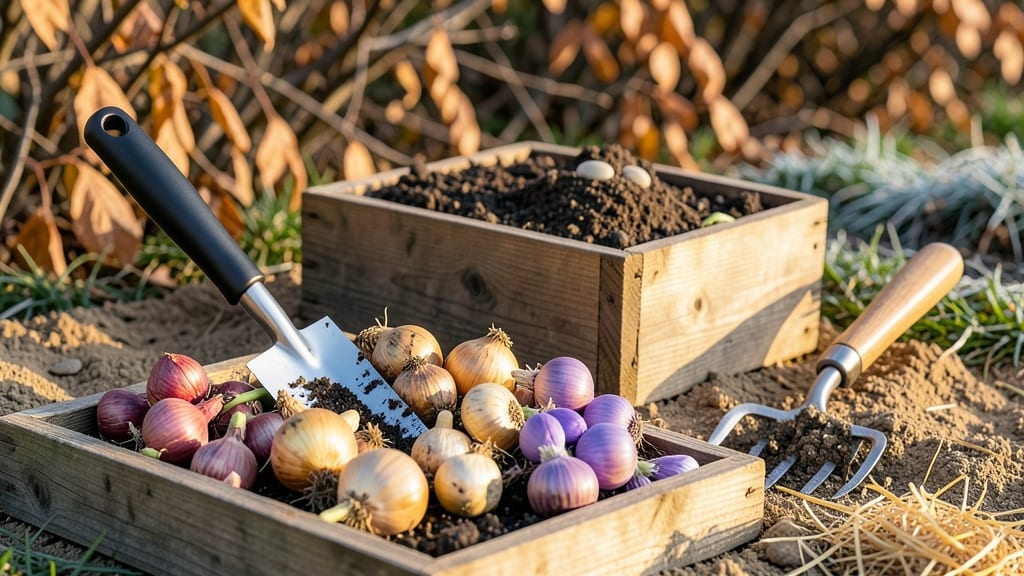
Planting bulbs at the wrong time in Zone 5b can mean the difference between a showstopping spring garden and a sad, wilted disappointment. Whether you're dreaming of tulips or daffodils, getting the timing right is the key to success—and fall is actually the preferred window for most varieties.
I’ve learned the hard way that rushing bulbs into cold soil or waiting too late can leave them vulnerable to rot or frost damage. The ideal window in Zone 5b is typically October through November, when temperatures consistently drop below 50°F but before the ground freezes solid.
But what if you miss that window? Don’t worry—spring planting still works for certain types, like summer-flowering bulbs.
In this guide, I’ll break down the exact months to plant for reliable blooms, how to prep your soil for success, and which bulbs thrive best in fall versus spring.
You’ll also get a month-by-month checklist to avoid common mistakes, so you can confidently transform your garden into a burst of color year after year.
Ready to turn your Zone 5b yard into a bulb-filled paradise? Let’s dive into the best planting strategies and keep those 🌱 bulbs happy through winter and beyond.
Ideal fall planting dates for Zone 5b bulbs (and why it matters)
In Zone 5b, fall planting is the gold standard for bulbs like tulips and daffodils—it gives roots time to establish before winter. The magic window? When soil temps hit 40-50°F (usually 6-8 weeks before frost).
For most of Zone 5b, that’s mid-October to early November, but early frosts can push it to late September.
Why timing matters: Plant too early, and bulbs rot in warm soil; too late, and they won’t root deeply enough for spring blooms. Soil temperature, not air temperature, is your guide—use a soil thermometer or the "sock test" (bury a damp sock; when it’s cold but not frozen, it’s go-time).
🌱
🌱 Zone 5b Fall Bulb Planting Summary
| Bulb Type | Ideal Planting Window | Soil Temp Threshold | Depth | Spacing |
|---|---|---|---|---|
| Tulips | Mid-October to early November | 40-50°F | 6-8 inches | 4-6 inches apart |
| Daffodils | Late October to November | 45-50°F | 6 inches | 5-6 inches apart |
| Crocuses | September to early October | 50-55°F | 3 inches | 3-4 inches apart |
| Hyacinths | October to November | 40-45°F | 6 inches | 5 inches apart |
💡 Pro Tip: Mulch with 2-3 inches of straw after planting to insulate bulbs from freeze-thaw cycles.
Adjust for your microclimate: Northern Zone 5b (e.g., Chicago or Minneapolis) may need to plant by late September, while Southern Zone 5b (e.g., St. Louis) can wait until November. Check your local frost dates—the USDA Plant Hardiness Zone Map is a great starting point.
Don’t skip soil prep: Amend heavy clay with compost or sand to improve drainage. Bulbs rot in soggy soil, and Zone 5b winters can bring heavy rains. Aim for well-draining soil with a pH of 6.0-7.0—most bulbs thrive in slightly acidic to neutral conditions.
If you’re planting spring-flowering bulbs like tulips, prioritize early October for maximum root growth. Daffodils, being hardier, can wait until November. Crocuses and snowdrops are the exceptions—they love early fall planting (even September) to bloom before snow melts.
Watch for early frosts: If temps drop below 20°F before bulbs root, protect them with a thick mulch layer or row covers. Tender bulbs like dahlias (which we’ll cover in the spring section) need extra insulation or container growing in Zone 5b.
Label your bulbs! Zone 5b winters can blur plant memories, and spring blooms are worth the effort. Use biodegradable markers to note varieties and planting dates—you’ll thank yourself when April showers reveal your tulip parade.
🌷
Ideal fall planting dates for Zone 5b bulbs (and why it matters)
Fall is the golden window for planting most bulbs in Zone 5b, but timing is everything. The magic happens when soil temperatures drop to 40-50°F—this triggers bulbs to root before winter dormancy.
In my experience, planting too early (when soil is still warm) risks rot, while waiting too late leaves bulbs vulnerable to frost damage.
For Zone 5b, aim to plant 6-8 weeks before the first hard frost, typically between mid-October and early November. This window ensures bulbs establish roots but stay protected underground.
For example, tulips and daffodils thrive when planted in late October, while crocuses can handle slightly later dates in early November.
🌱
| Bulb Type | Ideal Planting Window | Soil Temp Threshold | Notes |
|---|---|---|---|
| Tulips | Mid-October to early November | 45-50°F | Plant pointy end up, 6-8 inches deep. |
| Daffodils | Late October to mid-November | 40-45°F | Deer-resistant; great for borders. |
| Crocuses | Early to mid-November | 35-40°F | Early bloomers; tolerate light frosts. |
| Hyacinths | Late October | 45-50°F | Fragrant; plant in clusters for impact. |
Adjust your timeline if your Zone 5b area experiences early or late frosts. For example, if frost arrives by October 15, plant tulips by October 1 to avoid stress. Conversely, if frost lingers into November, shift planting to early November for daffodils.
Pro tip: Use a soil thermometer to confirm temperatures. I’ve found that 50°F soil is the sweet spot for most bulbs—any warmer, and roots struggle to form. Amend your soil with compost before planting to improve drainage and encourage root growth.
Don’t overlook mulching after planting! A 2-3 inch layer of straw or shredded leaves insulates bulbs from temperature swings and keeps soil moist. This simple step can double your success rate in Zone 5b’s unpredictable winters.
🌿