
Companion Plants
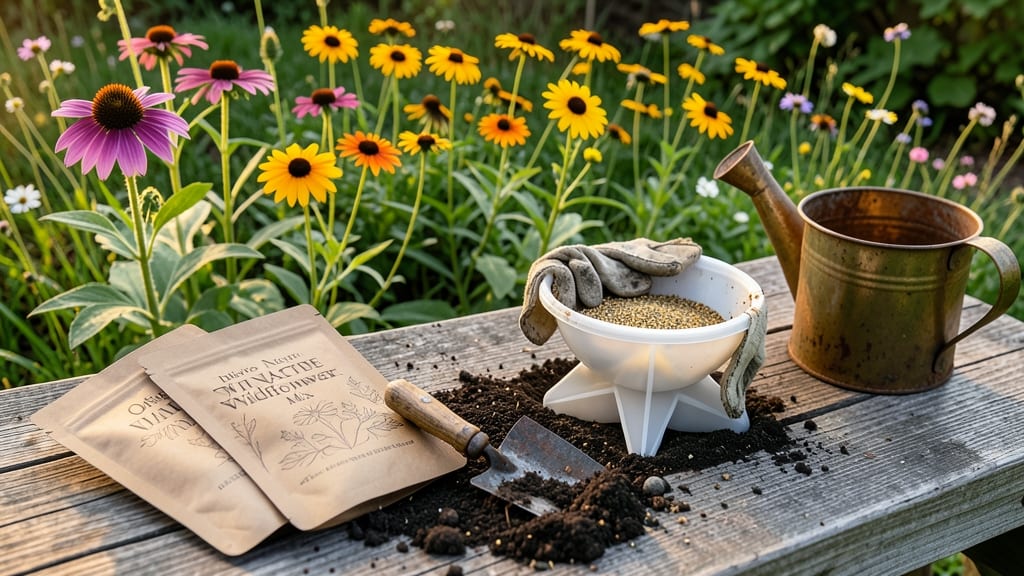
Planting wildflower seeds in Ohio isn’t just about throwing seeds into the ground—it’s about catching the perfect window when soil temperatures and rainfall align just right for those 🌼 to take root and thrive.
Get it wrong, and you might end up with sparse blooms or seeds that never sprout at all. The key? Knowing whether to plant in spring or fall, and how to prep your soil for Ohio’s USDA Zone 6a climate.
Spring planting in Ohio typically kicks off in March or April, right after the last frost date (usually around April 15), but timing can shift depending on whether you’re in northern or southern Ohio.
Fall planting, on the other hand, offers a second chance in August or September, letting seeds germinate in cooler weather and establish strong roots before winter. Both seasons have their advantages, but the wrong move could leave your wildflowers struggling.
What makes Ohio’s planting windows tricky is the balance between avoiding late frosts and preparing for summer heat. Too early, and a surprise freeze could wipe out your seedlings. Too late, and the scorching sun might dry them out before they even get started.
I’ll break down the exact steps to time your planting for success—so you can enjoy a burst of color from June through September without the guesswork.
Whether you’re a first-time gardener or a seasoned pro, mastering these timing tricks will transform your Ohio landscape into a pollinator paradise. Let’s dive into the best strategies to ensure your wildflowers bloom vibrantly and reliably year after year.
Ohio’s best wildflower planting windows: spring vs fall timing explained
Ohio’s USDA Zone 6a climate offers two prime windows for planting wildflower seeds: spring (March–April) and fall (August–September). Each season brings unique advantages—spring jumpstarts blooms for summer pollinators, while fall ensures roots establish before winter.
But timing isn’t one-size-fits-all; Ohio’s northern vs. southern regions can vary by 2–3 weeks in frost dates.
For spring planting, aim for after the last frost date (typically mid-April in southern Ohio and late April in the north). Seeds sown too early may rot in cold, wet soil.
Fall planting, however, is often more reliable—seeds germinate in cool weather, and established roots survive winter better. August–September is ideal, but avoid planting after mid-October to allow roots to harden off before frost.
Native wildflowers like black-eyed Susans and coneflowers thrive with fall planting, while annuals like cosmos can handle late spring sowings. Perennials (e.g., milkweed) benefit from both seasons, but spring planting may require light stratification (cold-moist treatment) to break dormancy.
Ohio’s microclimates add complexity: Southern Ohio (Zones 6b–7a) can plant 1–2 weeks earlier than northwest Ohio (Zone 5b). Check your local frost dates—tools like the Old Farmer’s Almanac or NOAA’s climate maps are invaluable. Pro tip: Test soil temperature—seeds need 40–50°F soil to germinate.
🌱
If you’re planting in spring, prioritize hardy perennials like purple coneflower or butterfly weed, which tolerate light frost. For annuals, wait until after May 1 to avoid late frosts. Fall planting is my go-to for native mixes—they germinate slowly in cool weather, reducing weed competition.
Ohio’s summer heat (July–August) can stress young seedlings, so fall-sown seeds have a head start. If you miss the fall window, late winter sowing (February) works for stratified seeds in a cold frame. Just cover seeds lightly with mulch to protect from temperature swings.
For urban gardeners, container planting extends flexibility—sow seeds in late spring (May) and place pots in partial shade until established. Rural areas with deeper soil can handle earlier spring or later fall plantings. Always water deeply after sowing to encourage germination.
🌿
Pro tip: Label your planting dates—Ohio’s unpredictable weather can throw off even the best-laid plans. If you’re unsure, plant a test patch in both spring and fall to compare results. Native seed mixes often include self-stratifying species, reducing prep work.
For non-natives, pre-treat seeds with cold-moist stratification (30 days in a damp paper towel in the fridge).
Remember, wildflowers thrive on patience. While spring plantings may bloom faster, fall-sown seeds often produce healthier, longer-lived plants. Adjust your strategy based on your Ohio county’s climate history—some years, late summer (July) plantings can work if followed by consistent rain.
Step-by-step pre-planting checklist for Ohio wildflower success
Before scattering those wildflower seeds, Ohio’s variable climate demands careful prep. Start with a soil test—wildflowers thrive in pH 6.0-7.5 soil. If your soil is too acidic or alkaline, amend it with lime or sulfur 4-6 weeks before planting.
Most native wildflowers prefer well-draining soil, so avoid compacted or waterlogged areas.
Next, choose your planting site based on sunlight needs. Most Ohio wildflowers need full sun (6+ hours daily), but some, like wild bergamot, tolerate partial shade.
Mark your site early to observe sunlight patterns—trees and buildings can cast unexpected shadows. Clear weeds and debris to give seeds a clean start.
Pre-Planting Checklist
Use a kit to check pH; amend if needed.
Remove competing plants for better seed contact.
Lightly rake to improve seed-soil contact.
Cold-moist treatment for tough native species.
Full sun for most; partial shade for shade-tolerant types.
Moisten soil to help seeds germinate faster.
Many Ohio wildflower seeds, like black-eyed Susan or purple coneflower, need stratification—a cold-moist treatment to break dormancy. Mix seeds with damp sand in a sealed bag and refrigerate for 2-4 weeks before planting.
Skip this step for pre-stratified seeds labeled "ready to plant." For fall planting, stratification happens naturally over winter.
After prepping the site, scatter seeds thinly—wildflowers need space to avoid overcrowding. Lightly rake the soil to ensure good seed-to-soil contact without burying them too deep. Most seeds need light to germinate, so avoid covering them with more than ¼ inch of soil.
Water gently but thoroughly to settle seeds into the soil.
Post-planting, water lightly but consistently for the first 4-6 weeks. Aim for 1 inch of water per week, delivered in the morning to reduce fungal risks. Once seedlings emerge, reduce watering to bi-weekly to encourage deep root growth.
Mulch lightly with straw to retain moisture and suppress weeds—just keep mulch 2 inches away from seedlings to avoid rot.
Ohio’s summer heat can stress young wildflowers, so monitor for drought. If rainfall is scarce, water deeply but infrequently to strengthen roots. By mid-summer, most wildflowers will be established and drought-tolerant. With these steps, you’ll set the stage for vibrant blooms and happy pollinators by next spring! 🌸