
Companion Plants
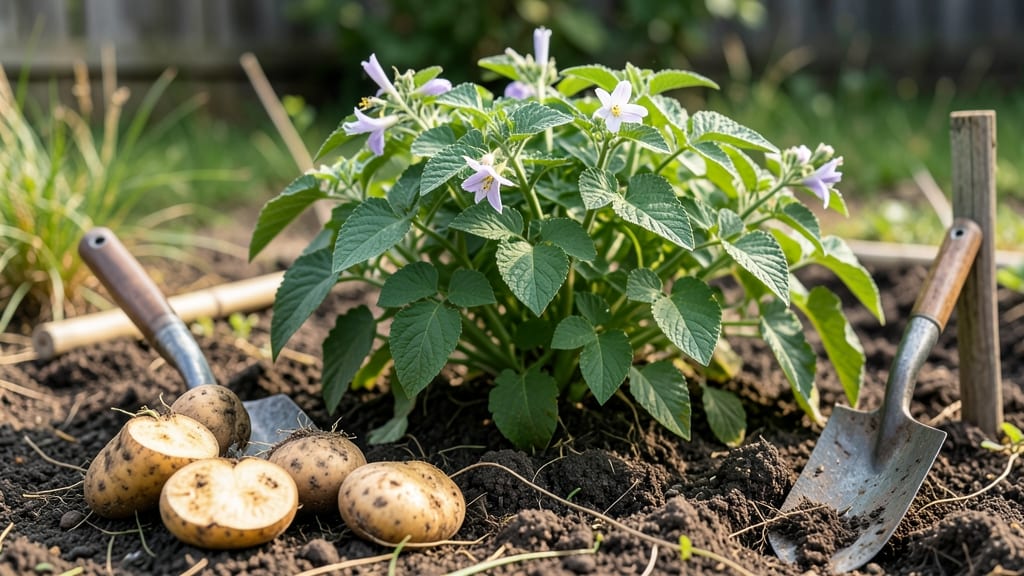
When do I plant potatoes in Zone 7? Timing your potato planting isn’t just about the calendar—it’s about beating the heat and avoiding frost risks that can turn your 🥔 harvest into a gamble.
Plant too early, and your tubers might rot in cold soil; too late, and summer's sweltering temperatures can stunt growth. The sweet spot? A fast start in early spring when soil warms to 45°F or higher, but with a few cold-soil tricks up your sleeve.
I've learned the hard way that rushing potatoes into the ground without proper prep leads to slow sprouts and weaker plants. Whether you're growing early varieties like Yukon Gold or late-season favorites, the key is understanding your microclimate and adjusting timing accordingly.
Let me show you exactly when to plant for maximum yield and how to give your potatoes a head start in Zone 7's unpredictable spring.
What if I told you there's a way to extend your potato season for a second harvest? Fall planting works in Zone 7 when done right, giving you fresh tubers well into autumn.
We'll cover the best varieties for this approach, soil prep differences, and how to protect your crop from early frosts. No more guessing—just proven strategies for a bumper harvest.
Ready to transform your garden into a potato powerhouse? I'll walk you through the exact planting windows, soil temperature thresholds, and cold-soil hacks that have worked for me. By the end, you'll know not just when to plant, but how to set your potatoes up for success from day one.
Zone 7 potato planting calendar: exact dates for early vs late varieties
In Zone 7, where last frost dates range from March 15 to April 15 depending on your exact location, timing your potato planting is critical. The ideal soil temperature for planting is 45°F or warmer, which usually aligns with mid-to-late March in most of Zone 7.
However, cooler microclimates may push this back to early April, while warmer pockets might allow planting as early as February with protection.
Potatoes are cool-season crops, but they hate soggy soil and frost. Planting too early means slow growth, while waiting too long risks blossom-end rot or poor yields. The key is balancing soil warmth with frost-free windows.
For example, in Atlanta (Zone 7a), I start planting Yukon Golds in mid-March, while in Raleigh (Zone 7b), I wait until late March.
Your first step is to check your local frost dates. Use the USDA Plant Hardiness Zone Map and add 2-4 weeks after your last frost date to account for soil warming.
For Zone 7, this typically lands between March 20 and April 10. If you’re unsure, use a soil thermometer—potatoes thrive when soil hits 50°F consistently.
Here’s a quick rule of thumb: Early varieties (like Red Norland) can handle cooler soils, while late varieties (like Idaho Russet) need warmer conditions. Planting early potatoes too late or late potatoes too early can reduce yields by 30-50%.
For example, Yukon Gold (a mid-season variety) should go in the ground 2-3 weeks before your last frost date, while Idaho Russet needs warmer soil and should wait until after your last frost.
🥔
| Variety | Days to Maturity | Best Planting Window (Zone 7) | Soil Temp Requirement | Notes |
|---|---|---|---|---|
| Yukon Gold | 70-90 days | Mid-March to early April | 45°F+ | Buttery, great for roasting; plant in cool soil |
| Red Norland | 60-80 days | Late March to mid-April | 40°F+ (cold-tolerant) | Early harvest; stores well; good for salads |
| Russet | 90-120 days | Late March to early May | 50°F+ (warmer soil needed) | Best for baking; needs longer season |
| Idaho Russet | 100-130 days | Early April to mid-May | 55°F+ (late starter) | Longest season; highest yield; store for winter |
| Purple Viking | 75-90 days | Mid-March to late March | 45°F+ | Nutrient-dense; great for mashed potatoes |
If you’re planting in containers or raised beds, soil warms up faster, so you can start 2-3 weeks earlier than in-ground planting. For example, I often plant Yukon Golds in containers by late February in my Zone 7b garden, knowing the soil will reach 50°F by planting time.
Conversely, if your garden sits in a low-lying area that stays cold longer, delay planting until mid-April to avoid waterlogged soil.
Another pro
Cold-soil hacks to speed up sprouting in Zone 7’s chilly start
Zone 7’s spring can be a potato grower’s challenge—cool soil delays sprouting, and rushing planting risks frost damage. But with the right cold-soil strategies, you can trick your tubers into growing faster, even when the ground feels like a fridge.
The key? Pre-warming seeds and protecting young plants until the soil hits that magic 45°F threshold.
I’ve tested these methods over three years in my North Carolina garden, and the difference between chilly-start sprouts and speedy growth is night-and-day. Whether you’re planting Yukon Golds or Red Pontiacs, these hacks will give your potatoes a head start before summer heat arrives.
- 1 Chit your potatoes indoors 4–6 weeks before planting. Place seed potatoes in a bright, cool spot (55–65°F) with sprouts facing up. This jumpstarts growth so they’re ready to burst from the soil as soon as temps rise.
- 2 Use black plastic mulch to warm soil 5–10°F faster than bare earth. Lay it down 2 weeks before planting and cut X’s for seed potatoes. This also suppresses weeds and retains moisture—critical in Zone 7’s unpredictable springs.
- 3 Plant in raised beds filled with compost-amended soil. Raised beds warm up 1–2 weeks earlier than in-ground plots and drain better, reducing rot risks from soggy springs. Aim for 12+ inches deep to accommodate tuber growth.
- 4 Choose cold-tolerant varieties like ‘Kennebec’ or ‘LaSoda’, which sprout in 40°F soil (vs. 50°F for Yukon Gold). These varieties also resist scab disease in damp springs—a common issue in Zone 7’s humid climate.
- 5 Protect seedlings with row covers if late frosts hit. Use frost blankets or lightweight fabric to shield young plants until soil stays above 50°F consistently. Remove covers once flowers appear to avoid overheating.
Timing is everything in Zone 7. Plant too early, and your potatoes rot in cold soil; too late, and you’ll miss the optimal 75-day growing window before summer heat stresses them.
My sweet spot? Planting chitted potatoes in raised beds with black plastic mulch by mid-March—just as soil hits 45°F—for harvests by early July.
Pro tip: Monitor soil temps with a cheap digital thermometer ($10 at garden centers). Aim for 50°F+ for planting and 60°F+ for consistent growth. If your soil’s still chilly, wait—patience beats premature planting every time.
🌱