
Plants
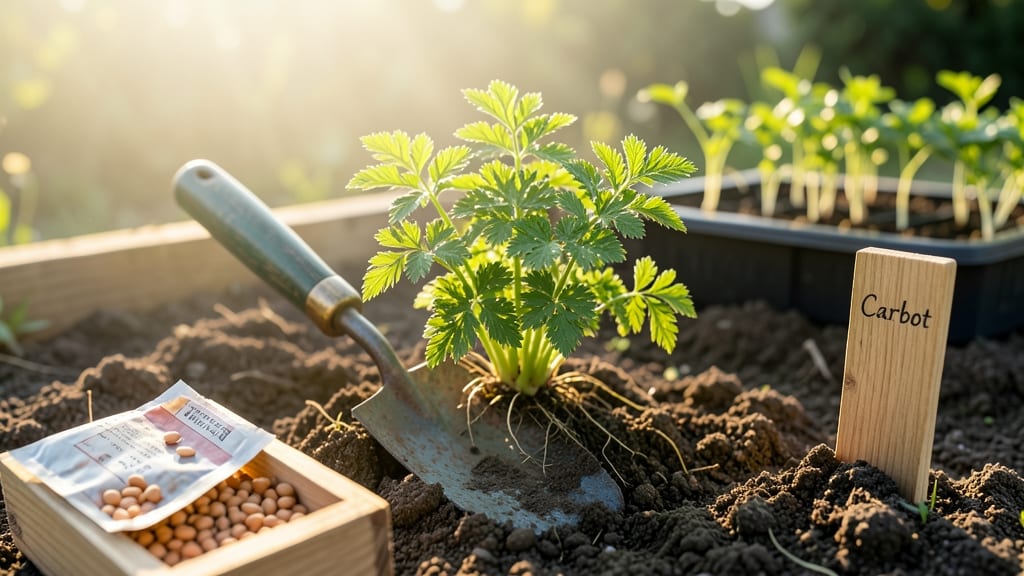
Planting carrots at the wrong time in spring can turn your garden into a bitter, woody disappointment—unless you know the exact window for success. The key isn’t just waiting for warm weather; it’s timing it right after your last frost when soil reaches that sweet spot of 50–60°F.
In Zone 6a, that usually means late April—about 4 weeks after the average frost date—but your local climate might shift those dates by weeks. Too early, and frost stunts growth; too late, and summer heat makes them tough and stringy.
I’ll show you how to nail the timing for crisp, sweet 🥕 every time.
Beyond the calendar, soil prep and spacing play a huge role. Loose, well-drained soil prevents those dreaded forked roots, while proper thinning ensures even growth. Let’s break down the step-by-step approach to planting carrots so you can enjoy a bountiful harvest from late summer through fall.
Whether you’re a first-time gardener or a seasoned pro, these tips will help you avoid common mistakes and grow carrots that taste like they came straight from the farmers’ market. Ready to dig in?
The exact 4-Week spring planting window for carrots after last frost
Carrots thrive when planted during a 4-week window after your last frost date. This timing ensures soil temperatures reach the ideal 50–60°F range, which is critical for germination. Planting too early risks frost damage, while waiting too long can lead to woody, bitter roots as summer heat sets in.
Your exact planting window depends on your USDA hardiness zone. For example, gardeners in Zone 5 should aim for mid-April, while those in Zone 8 can start as early as late February. Always check your local frost-free date to calculate the perfect window.
Here’s the key rule: Wait until soil temperatures are consistently above 50°F for at least 2 weeks. Cold soil slows germination and can cause seeds to rot. Use a soil thermometer to monitor—this tool is a game-changer for precision planting.
| USDA Zone | Last Frost Date (Avg.) | Planting Window | Soil Temp. Threshold |
|---|---|---|---|
| Zone 3-4 | Mid-May | Late May to early June | 55–60°F |
| Zone 5-6 | Early April | Mid-April to early May | 50–55°F |
| Zone 7-8 | Mid-March | Late March to early April | 50–58°F |
| Zone 9-10 | Late January | February to early March | 55–60°F |
If you’re unsure about your last frost date, use the National Weather Service or local cooperative extension service for data. For example, in Chicago (Zone 5), the average last frost is April 15, so I plant carrots between April 30 and May 15 for best results.
For gardeners in warmer climates (Zones 9–10), focus on early spring planting to avoid summer bolting. In these areas, I often start seeds indoors in late winter and transplant after the soil warms. This two-step process gives me a head start on the growing season.
Pro tip: If your spring is unpredictable, opt for cold-hardy varieties like 'Nantes' or 'Danvers'. These varieties tolerate cooler soils and are less likely to bolt early. Always check seed packets for specific recommendations—this small step can save your crop!
Remember, carrots need 60–80 days to mature. Planting in the 4-week window ensures you’ll harvest before summer heat stress sets in. For example, a mid-April planting in Zone 6 will yield carrots by late June or early July.
To maximize your harvest, consider successive plantings every 2 weeks after your initial window. This staggered approach gives you a continuous supply of fresh carrots throughout the summer. Just be sure to mark your planting dates in a garden journal!
Finally, always prepare your soil before planting. Carrots need loose, stone-free soil to grow straight and long. Work in compost or aged manure 2–3 weeks before planting to improve drainage and fertility.
With the right timing and soil prep, you’ll enjoy sweet, crisp carrots all season long. Happy planting! 🥕
How to adjust carrot planting time for your local climate
Not all springs are created equal—your local climate dictates the perfect carrot planting window. In cooler regions like USDA Zones 3-5, start seeds indoors 4-6 weeks before your last frost date, then transplant seedlings after soil warms to 50°F (10°C).
For warmer zones (Zones 6-10), direct-sow seeds 2-4 weeks before your last frost for faster germination.
Use a soil thermometer to confirm readiness—carrot seeds need 50-60°F (10-15°C) soil temps to sprout reliably. If your spring is unpredictable, opt for cold-hardy varieties like 'Nantes' or 'Danvers,' which tolerate light frosts better than delicate heirlooms.
🌱
Plant successive batches every 2-3 weeks to stagger harvests. In short springs, use shade cloth (30-50%) to protect seedlings from late heatwaves.
Lay down black plastic mulch 1-2 weeks before planting to raise soil temps. Remove it once seeds are sown to avoid overheating.
'Early Nantes' matures in 55 days—ideal for short seasons. 'Danvers' handles cooler temps but needs 70 days to harvest.
High-altitude gardens (5,000+ ft) plant 2-3 weeks later than sea-level areas. Soil stays cooler longer in mountainous regions.
Check your local frost calendar—plant when nights stay above 32°F (0°C) consistently. Use row covers for extra protection.
For container growers, start seeds in biodegradable pots 4 weeks before transplanting to avoid root disturbance. If your spring is late, opt for fast-maturing varieties like 'Paris Market' (50 days) to fit into a tight schedule.
Pro tip: Plant carrots with onions or leeks—their strong scent deters carrot flies, a common pest when planting late. Just avoid planting near dill or parsley, which attract pests.
🌿