
Companion Plants
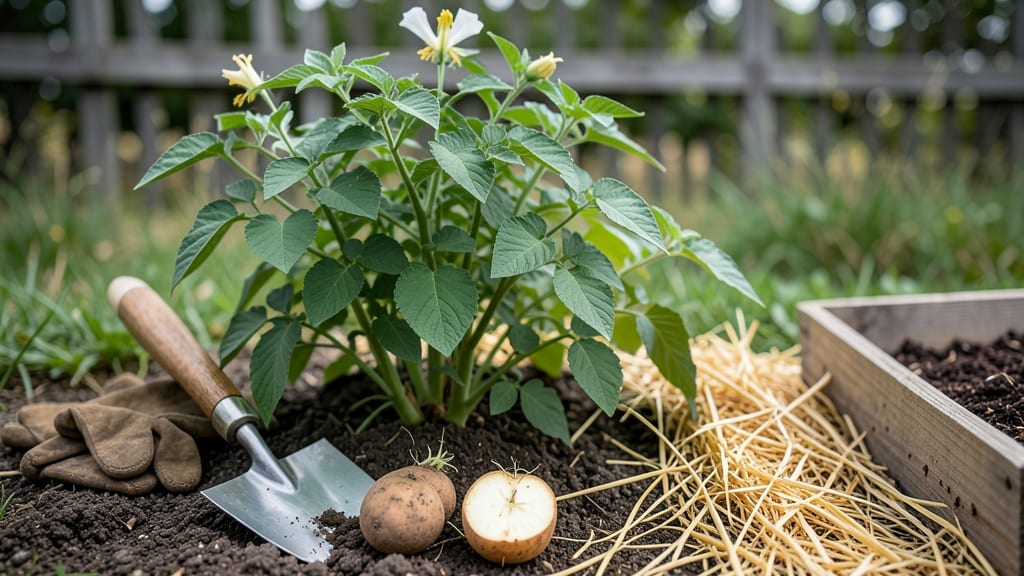
When can I plant potatoes in Zone 5b? Timing your potato planting just right in this climate could mean the difference between a bountiful harvest and wasted effort—especially when those late frosts sneak in. The ideal window opens 2-4 weeks before your last frost date, typically in early April, but there’s more to it than just dates.
Most gardeners in Zone 5b start by prepping seed potatoes indoors in late winter, a trick called chitting that jump-starts growth. But even with this head start, soil temperature matters—wait until it hits 45°F before planting those spuds 4 inches deep.
Here’s the game-changer: early varieties like Red Norland can go in as soon as the ground thaws, while late-season types need warmer soil. I’ll break down the exact frost-free timeline, soil prep secrets, and how to adjust for Zone 5b’s unpredictable weather.
Skip the guesswork and learn how to time your potato planting for maximum yield, whether you’re a first-timer or a seasoned gardener. Let’s dig into the details.
Zone 5B potato planting dates: exact frost-free timeline for success
Getting your potatoes in the ground at the right time in Zone 5B is critical—plant too early, and frost will kill them; too late, and you’ll miss peak harvest season. The key is understanding your last frost date, soil temperature, and variety maturity.
In most of Zone 5B (think Chicago, Detroit, or Syracuse), the average last frost falls between April 15-30, but timing can shift by 2-3 weeks depending on microclimates.
For early varieties (like Red Norland or Yukon Gold), you can plant 2-4 weeks before your last frost—even in late March—if your soil is workable and temperatures stay above 40°F at night. Mid-season varieties (such as Russet Burbank) need to go in 2 weeks before last frost to mature before fall frosts arrive in mid-October.
Soil temperature is just as important as air temperature. Potatoes thrive when soil reaches 45°F—use a soil thermometer to check. Cold soil delays sprouting and weakens plants. If your soil is still chilly in April, hold off until early May for late varieties like Kennebec, which take 100-120 days to mature.
Pro tip: Chitting (pre-sprouting) your seed potatoes 4-6 weeks before planting gives them a head start. Place them in a cool, bright spot (like a sunny windowsill) with the rose end up.
Sprouts should be ½-inch long by planting time—this means faster emergence and stronger plants once in the ground.
Regional tweaks matter in Zone 5B. In the Northeast (e.g., Upstate New York), aim for April 1-15 for early potatoes. In the Midwest (e.g., Michigan, Indiana), wait until April 15-30 to avoid late frosts. Always check your local frost calendar—tools like the Old Farmer’s Almanac or Plant Maps app provide hyper-localized data.
| Planting Window | Soil Temp | Last Frost Buffer | Best Varieties |
|---|---|---|---|
| Late March–Early April | 45°F+ | 2–4 weeks before last frost | Red Norland, Yukon Gold |
| Mid-April–Early May | 50°F+ | 2 weeks before last frost | Russet Burbank, Kennebec |
| Early May (late varieties) | 55°F+ | After last frost | Sweet Potato, Purple Viking |
🌱 Note: Adjust for early/late frosts—Zone 5B can vary by 2+ weeks!
If you’re planting in containers, start 2 weeks earlier than in-ground planting—containers warm up faster. Use black pots to absorb heat and add compost to improve drainage. For in-ground planting, choose a spot with 6+ hours of sun and loamy, well-drained soil.
Avoid low spots where cold air pools, as this can delay warming.
One common mistake? Planting too deep. Bury seed potatoes only 4 inches deep—deeper planting can lead to scab disease or stunted tubers. Space rows 30 inches apart to allow for hilling (piling soil around stems) as plants grow. Hilling prevents greening (toxic solanine buildup) and encourages larger tubers.
For a second harvest, try succession planting in late May or early June with late-maturing varieties. These potatoes won’t be ready until fall, but they’ll store well for winter.
Just be sure to harvest before the first frost (usually mid-October in Zone 5B), or the tubers will spoil in the ground.
Remember: Zone 5B’s short growing season (about 165 frost-free days) demands efficiency. Stick to the 45°F soil rule, choose the right variety for your timeline, and don’t rush—patience now means bigger yields later.
Zone 5B potato planting dates: exact frost-free timeline for success
In Zone 5B, where last frosts typically hit around mid-April, timing your potato planting is critical. The ideal window starts 2-4 weeks before the last frost date, giving tubers time to establish roots before warmer weather arrives.
For most of the Midwest and Northeast, this means planting between late March and early April for early varieties.
Potatoes thrive when soil temperatures reach at least 45°F, which usually coincides with late March in Zone 5B. If you’re unsure about frost dates, check your local USDA frost calendar or use a soil thermometer to confirm readiness.
Planting too early risks frost damage, while waiting too long may shorten your harvest window.
| Planting Stage | Zone 5B Timeline | Soil Temp Requirement |
|---|---|---|
| Early Planting (Cold-Hardy Varieties) | Late March (2-3 weeks before last frost) | 40-45°F |
| Standard Planting (Most Varieties) | Early April (1-2 weeks before last frost) | 45-50°F |
| Late Planting (Short-Season Varieties) | Mid-April (after last frost) | 50-55°F |
For a second crop, plant late-season varieties like Kennebec after Memorial Day (around mid-May) if your growing season extends into early fall. This method works well in Zone 5B’s shorter summers but requires careful soil preparation to prevent disease in warm, humid conditions.
If you’re unsure about your exact last frost date, use row covers to protect early plantings. These lightweight fabrics can raise soil temperatures by 5-10°F, allowing you to plant up to 2 weeks earlier without frost risk. Always remove covers during the day to avoid overheating the soil.
In Zone 5B, aim to harvest your first crop by mid-July to avoid tuber deterioration from heat stress. Late-season varieties can be left in the ground until early fall, but monitor for signs of disease like blight, which thrives in the region’s humid summers.
Start by chitting your seed potatoes indoors 4-6 weeks before planting. This process—exposing tubers to light to encourage sprouting—gives you a head start and ensures stronger plants. Store them in a cool, bright spot (like a sunny windowsill) until sprouts reach 1/2 inch long before planting.