
Companion Plants
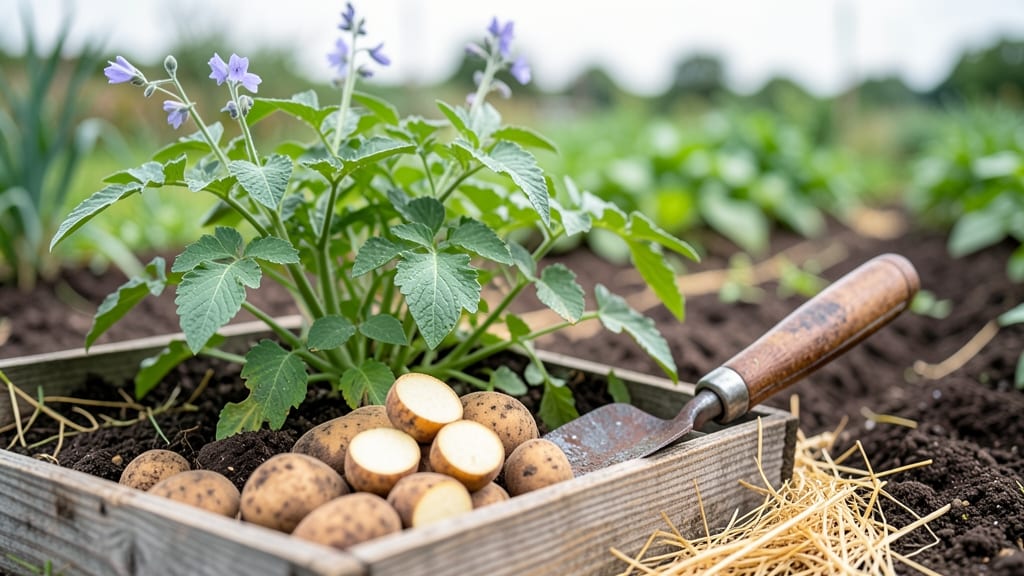
If you're wondering when to plant potatoes in Michigan, timing is everything—get it wrong, and you risk frost-nipped sprouts or a harvest too late for crisp, flavorful spuds. Michigan’s 5b-6b climate gives us a narrow window, but with the right strategy, you can grow bountiful 🥔 crops every season.
Most gardeners plant between March 15 and April 15, but early varieties can even go in as soon as February 15 if you’re willing to take risks. The key is waiting until soil temperatures hit 45-55°F—any earlier, and your seed potatoes won’t germinate properly.
Miss this window, and you might be left with stunted plants or worse, blight-prone tubers.
I’ve tested different varieties in Michigan’s unpredictable spring weather, and the results speak for themselves: early reds for quick harvests, russets for storage, and fingerlings for unique flavors.
But the real secret? Adjusting for your last frost date—whether you’re in Detroit or Traverse City—and knowing when to avoid planting too early.
Ready to dig in? I’ll walk you through the exact dates, soil prep tips, and variety choices that work best in Michigan’s climate—so you can go from seed to harvest like a pro. Let’s get those spuds growing!
Michigan potato planting timeline by variety: early, mid, and late season options
Michigan’s climate offers a short but productive potato-growing season, but timing is critical. The last spring frost typically arrives between April 15-30, depending on your region, while first fall frost hits around mid-October.
To maximize yields, align your planting with your potato variety’s maturity—early, mid, or late season—and your local frost dates.
For early varieties like Yukon Gold or Red Pontiac, plant 2-4 weeks before your last frost date.
These 60-90-day potatoes thrive in cooler soils (45-55°F) and can even tolerate light frost. Mid-season varieties like Russet or Kennebec (90-110 days) need warmer soil (50-60°F) and should go in 2 weeks after your last frost.
Late-season fingerlings or Purple Peruvian (110-120 days) demand full warmth and should wait until late May.
Northern Michigan (USDA zones 4b-5a) has a shorter growing season (120-140 frost-free days), so prioritize early and mid-season varieties. Southern Michigan (zones 5b-6a) can squeeze in late varieties or even fall plantings for a second harvest.
Always check Michigan State University’s frost maps for your exact location—Detroit’s last frost might be April 15, while Marquette’s lingers until May 10.
Soil temperature is just as important as air temperature. Use a soil thermometer to confirm your soil has warmed to 45°F for early varieties or 50°F for later ones.
Cold soil delays germination and invites rot diseases. If your soil is still chilly, consider row covers or a cold frame to jumpstart growth.
| Variety Type | Planting Window | Days to Maturity | Ideal Soil Temp (°F) | Best For |
|---|---|---|---|---|
| Early (e.g., Red Pontiac, Yukon Gold) | 2-4 weeks before last frost (March 15 - April 15) | 60-90 days | 45-55°F | Cold soils, short seasons, early harvests |
| Mid (e.g., Russet, Kennebec) | 2 weeks after last frost (April 15 - May 10) | 90-110 days | 50-60°F | Standard seasons, storage potatoes |
| Late (e.g., Fingerlings, Purple Peruvian) | Late May - early June (after soil warms) | 110-120 days | 55-65°F | Long seasons, specialty markets |
If you’re in southern Michigan (e.g., Detroit, Kalamazoo), you can push the envelope with fall plantings for a second harvest. Plant seed potatoes in late July for a late-October harvest before the first frost.
This works best with early varieties and requires row covers to extend the season. Just beware of late blight, which thrives in Michigan’s humid summers.
For northern Michigan (e.g., Traverse City, Marquette), focus on early varieties and consider chitting (pre-sprouting) your seed potatoes. Place them in a bright, cool spot (55-65°F) in late February to encourage 1-inch sprouts before planting. This gives you a 2-3 week head start on the growing season.
Pro tip: Use black plastic mulch to warm soil faster in early spring. Lay it down 1-2 weeks before planting to create a 5-10°F warmer microclimate. Pair this with straw mulch after planting to retain moisture and suppress weeds.
In container gardening, use large pots (12+ inches deep) and plant 2-3 seed potatoes per container for better yields.
Always rotate your potato planting location—never grow them in the same spot year after year. Potatoes are heavy feeders and susceptible to soil-borne diseases like verticillium wilt.
If you must replant in the same area, wait 3-4 years or amend the soil with compost and organic matter to restore fertility.
How to calculate your exact planting date using Michigan’s frost maps
Michigan’s frost dates vary dramatically from the Upper Peninsula to southern Detroit, so guessing your planting window could mean lost crops. Instead, use Michigan State University’s frost date calculator to pinpoint your exact last frost date—the critical benchmark for potato planting.
For most of Michigan, this falls between mid-April (southern regions) and late May (northern UP), but microclimates (like urban heat islands or lakeside areas) can shift dates by weeks.
Start by checking your USDA hardiness zone (Michigan spans 5b-6b). Then, factor in soil temperature: seed potatoes need 45-55°F for germination. Cold soil delays sprouting, so test it with a soil thermometer—plant only when temps consistently hit 50°F at a 4-inch depth.
This often means waiting until late April even if frost risk drops earlier.
Here’s the golden rule: Plant 2-4 weeks before your last frost date to give tubers time to mature before summer heat stress. For example, if your last frost is May 1, aim for April 1-15.
But if you’re growing early varieties like Yukon Gold, you can push it to March 15 in warmer zones (Zone 6b) with row covers to protect from late frosts.
🌱
For gardeners in Zone 5a (UP), consider chitting your seed potatoes—placing them in a bright, cool spot (60°F) to sprout 2-3 weeks before planting. This jumpstarts growth and compensates for shorter seasons. Just avoid planting until soil warms, or sprouts will rot.
Pro tip: If you’re near Lake Michigan, account for delayed springs—cooler lake breezes can push frost dates back by 1-2 weeks. Use a frost clock (like the one from the Michigan State University Extension) to track real-time data, not just averages.
Adjust your planting date if the clock shows unusually cold air lingering past the average frost date.
Finally, mark your calendar for harvest: Michigan’s growing season is 100-120 days long, so late plantings (after May 1) may not mature before frost.
Balance risk and reward—early plantings (March-April) give the best yields, but late varieties (like Red LaSoda) can stretch the season if planted by June 1 for a fall harvest.
☀️