
Plants
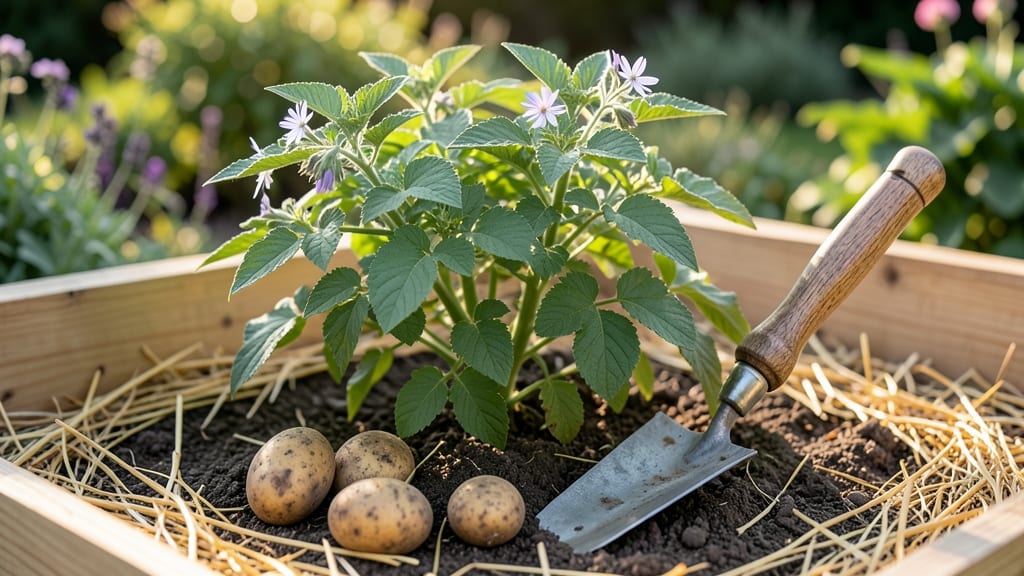
Planting potatoes in Michigan isn’t just about tossing seeds into the dirt—it’s about timing your harvest to beat the frost and outsmart the weather. One week too early, and your tubers rot in cold soil; too late, and you’ll miss the sweet spot for a bountiful yield.
With Michigan’s USDA Zones 4-6 and frost dates that shift from April in the south to June in the north, knowing exactly when to plant can make or break your garden.
Most gardeners here swear by the last frost date rule, but soil temperature matters just as much—potatoes need 45°F+ to germinate, and waiting for the ground to warm (usually mid-April to early May) is key.
I’ve learned the hard way that rushing leads to leggy, weak plants, while waiting too long cuts the season short. The solution? Choose the right variety and plant at the perfect moment for your region.
Whether you’re growing early-season spuds like Yukon Gold or late-bloomers like Kennebec, each type has its own ideal window. In southern Michigan, you might plant as early as late March under row covers, while northern gardeners often wait until May.
The goal? A harvest before the first frost—because no one wants to dig up half-frozen potatoes!
Ready to master the art of Michigan potato planting? I’ll walk you through the exact steps—from soil prep to frost-proofing your crop—so you can enjoy homegrown 🥔 all summer long.
Michigan’s last frost dates and ideal soil temperatures for planting potatoes
Michigan’s USDA Zones 5-6 create a unique challenge for potato growers. The Upper Peninsula typically experiences later last frosts (around May 20-30), while the Lower Peninsula sees them as early as April 20-May 10.
These dates determine your planting window, but they’re just the starting point—soil temperature matters just as much.
Potatoes need soil temperatures of 45°F+ to germinate properly. In Michigan, this usually aligns with late April to early May in southern regions, but early to mid-May in northern areas.
Using a soil thermometer is your best friend—don’t rely solely on calendar dates, as Michigan’s climate can vary wildly from year to year.
Cold soil slows germination, leading to spindly, weak plants that struggle to produce tubers. If you plant too early and face a late frost, your potatoes may rot in the ground before they even sprout.
Conversely, waiting too long risks shorter daylight hours, which can reduce yields for late-season varieties.
Here’s how to balance these factors for a successful harvest:
For gardeners in Zone 5 (northern Michigan), consider starting seeds indoors in late March and transplanting after the last frost. This gives you a head start on the 60-90 day growing season most varieties need.
In Zone 6 (southern Michigan), you can often plant seed potatoes directly in early April if you use row covers for frost protection.
Another trick is to plant early varieties first (like ‘Early Red’), followed by mid-season (‘Yukon Gold’) and late-season (‘Kennebec’) potatoes 2-3 weeks later. This staggered planting extends your harvest window and reduces the risk of crop failure if weather turns unpredictable.
Pro tip: If your soil is still cold in May, try black plastic mulch to warm it faster. Lay it down 1-2 weeks before planting—it can raise soil temperatures by 5-10°F, speeding up germination. Just remember to remove it once sprouts appear to prevent overheating.
Finally, always check your local Almanac frost dates and adjust for your microclimate. A sheltered spot near a south-facing wall might warm up earlier than your garden’s average, giving you a few extra days to plant.
When in doubt, err on the side of waiting—cold soil is the #1 enemy of healthy potato starts.
With the right timing, Michigan’s short growing season can still deliver abundant, high-quality potatoes. The key is patience and preparation—don’t rush the process, and your harvest will thank you.
Best potato varieties for Michigan’s short growing season and when to plant each
Michigan’s short growing season demands smart potato variety choices. Early, mid-, and late-season types all have their place, but timing is critical. Early varieties like 'Red LaSoda' mature in just 60-70 days, while late types like 'Kennebec' need 90-110 days.
Planting too late risks frost damage before harvest, while early planting in cold soil can stunt growth.
For southern Michigan (USDA zones 5-6), aim to plant early varieties by late April to early May when soil reaches 45°F+. Mid-season types like 'Yukon Gold' should go in by mid-May, and late varieties like 'Russet Burbank' need to be in the ground by early June.
Northern Michigan’s colder climate shifts these windows 2-3 weeks later.
Here’s how to match varieties to Michigan’s climate for maximum yield:
| Variety | Days to Maturity | Best Planting Window | Frost Tolerance |
|---|---|---|---|
| Red LaSoda | 60-70 | Late April–Early May | High |
| Yukon Gold | 75-90 | Mid-May | Moderate |
| Kennebec | 90-110 | Early June | Low |
| Russet Burbank | 100-120 | Early June | Low |
Pro tip: Plant early varieties first (late April) to stretch your harvest window. If frost threatens, prioritize harvesting early types first. Yukon Gold and Red LaSoda are my top picks for Michigan—they balance speed and flavor while handling our cool summers better than slower varieties.
For northern Michigan, delay planting by 2-3 weeks to avoid early frost. Use black plastic mulch to warm soil faster in colder zones. Always plant seed potatoes 4 inches deep and space rows 3 feet apart to prevent disease and allow airflow.
Don’t forget: Succession planting works for potatoes too! Plant a second crop of early varieties in late May if your first harvest wraps up early. Just ensure they’ll mature before the first frost, typically mid-September in southern Michigan and early September in the north.