
How To
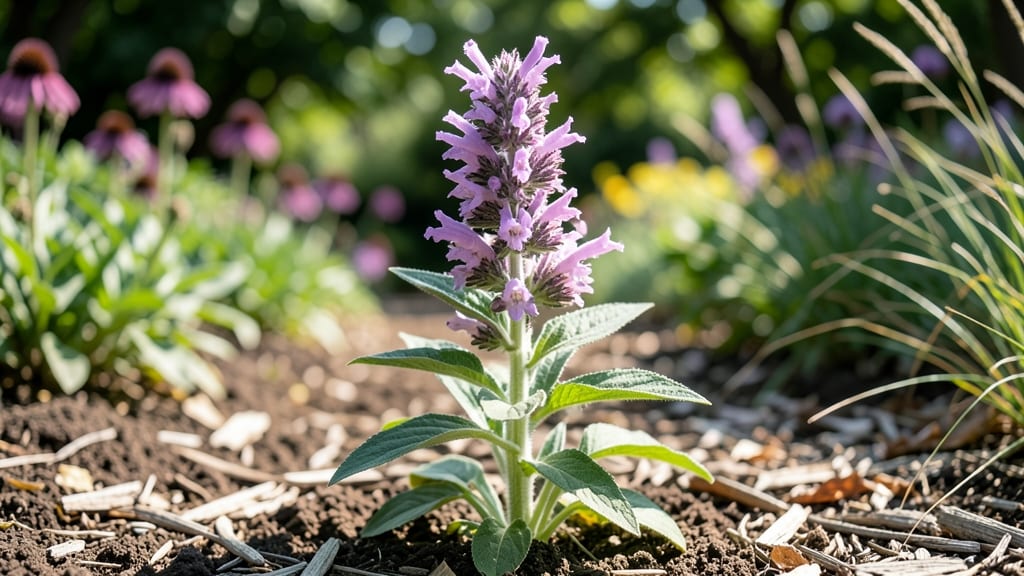
Wondering how tall does obedient plant grow before it becomes an unruly giant in your garden? This 🌿 Physostegia virginiana can surprise you—some varieties top out at a modest 2 feet, while others stretch toward 4 feet, making it a versatile choice for borders or pollinator gardens.
If you're planning your landscape, knowing the exact height range is key. Compact varieties like 'Little Darling' stay neatly contained, while standard types reach their full 3-4 foot height within just two growing seasons.
The difference between these sizes can mean the difference between a tidy garden and one that feels overgrown.
What you might not realize is that sunlight, soil, and even pruning habits play a huge role in how tall your obedient plant becomes. Too much sun can stretch stems, while rich soil encourages lush, bushier growth.
I’ll show you how to control its height naturally—without sacrificing those stunning summer blooms.
Whether you're designing a pollinator-friendly garden or simply want to keep your borders looking neat, understanding these growth patterns will help you choose the perfect variety. Let’s break down the heights, care tips, and how to keep your obedient plant at its best.


Obedient plant height ranges by variety: from compact to towering
The obedient plant (Physostegia virginiana) is a garden workhorse, but its height can vary wildly depending on the variety you choose. Some stay compact enough for window boxes, while others reach towering heights perfect for tall borders.
Knowing these differences helps you plan spacing and avoid overcrowding in your garden layout.
For example, the 'Little Darling' variety tops out at just 12–18 inches, making it ideal for front-of-border planting or container gardens. Meanwhile, the 'Summer Snow' cultivar can stretch to 3–4 feet, creating a dramatic vertical element in pollinator-friendly gardens or mixed shrub beds.
Here’s a quick look at how obedient plant height compares across popular varieties, including their spread and ideal planting distances to prevent competition:
| Variety | Mature Height | Spread | Ideal Spacing | Best For |
|---|---|---|---|---|
| 'Little Darling' | 12–18" | 12–18" | 10–12" | Containers, borders |
| 'Summer Snow' | 30–48" | 18–24" | 18–24" | Back borders, pollinator gardens |
| 'Miss Manners' | 24–36" | 24–30" | 18–24" | Mixed shrub beds |
| 'Vivid' | 24–36" | 18–24" | 20–24" | Cottage gardens, wildflower areas |
| 'Pink Flamingo' | 36–48" | 24–30" | 24–30" | Tall borders, privacy screens |
Notice how spread often matches or exceeds height in obedient plants? This wide growth habit means you’ll need to account for both dimensions when planning your garden. For instance, placing 'Pink Flamingo' too close to other plants can lead to overcrowding and reduced airflow, which may encourage fungal issues.
Another key factor is seasonal growth patterns. Most obedient plants grow 1–2 feet in their first year and reach full height by year three. However, if you’re planting in USDA Zones 5–9, you’ll see spring and early summer growth spurts, with blooms appearing by late June.
Pruning after flowering helps control height for the following year.
For container gardening, dwarf varieties like 'Little Darling' thrive in 12–14 inch pots with well-draining soil. Larger varieties need at least 18-inch pots to accommodate their roots and prevent root-bound stress, which can stunt growth or make plants leggy.
If you’re designing a pollinator garden, taller varieties like 'Summer Snow' or 'Vivid' provide vertical structure that bees and butterflies love. Pair them with low-growing companions like salvia or coreopsis to create a layered effect that maximizes both height diversity and pollinator activity.
Pro tip: Always mulch around the base of obedient plants to retain moisture and suppress weeds. A 2–3 inch layer of organic mulch (like shredded bark) also helps regulate soil temperature, which can influence growth rate and bloom production.
Obedient plant height ranges by variety: from compact to towering
The obedient plant (Physostegia virginiana) is a garden workhorse, prized for its spikes of lavender blooms and adaptability. But its height can swing wildly depending on the variety you choose.
Some stay as short as 12 inches, while others reach nearly 4 feet—a difference that impacts everything from border placement to pollinator garden design. Let’s break down the height ranges of the most popular cultivars so you can pick the perfect fit for your space.
For compact gardens or container growing, dwarf varieties like 'Little Darling' max out at just 12–18 inches tall, making them ideal for front-of-border planting or window boxes. Meanwhile, standard varieties like 'Summer Snow' or 'Miss Manners' can stretch up to 3–4 feet, perfect for back-of-border drama or cottage-style gardens.
Knowing these ranges helps you avoid the unruly mess of a plant outgrowing its spot.
| Variety | Mature Height | Spread | Best For |
|---|---|---|---|
| 'Little Darling' | 12–18" | 12–18" | Containers, front borders |
| 'Summer Snow' | 24–36" | 18–24" | Mid-border, pollinator gardens |
| 'Miss Manners' | 30–36" | 18–24" | Back borders, cottage gardens |
| 'Vivid' (Pink) | 24–30" | 12–18" | Cut flowers, mixed borders |
| 'Obedient Plant' (Wild) | 36–48" | 24–36" | Wildflower meadows, naturalized areas |
Height isn’t the only factor—spread matters too. For example, 'Little Darling' stays compact in both height and width, while wild-type obedient plants can sprawl up to 3 feet wide, making them better suited for wildflower meadows than tight borders.
Always check the spread measurement when planning, as it determines how much space to leave between plants for airflow and pollinator access.
Seasonal growth also plays a role. Most varieties grow 1–2 feet in their first year and reach full height by year three. If you’re planting in small spaces, opt for dwarf varieties or prune taller ones back by one-third after flowering to encourage bushier growth.
This trick works especially well for 'Miss Manners', which can get leggy without regular maintenance.
For pollinator gardens, taller varieties like 'Summer Snow' provide butterfly-friendly perches while still fitting neatly into mid-border designs. Pair them with shorter perennials like salvia or coneflower to create layered visual interest.
Just remember: overcrowding leads to weak stems and flops, so always follow the spread guidelines when planting.
If you’re unsure which variety to choose, start with 'Little Darling' for low-maintenance containers or 'Vivid' for cut flowers. For bold statements, the wild-type obedient plant adds natural charm to wild gardens—just be prepared for its towering presence.
With the right variety, you’ll have a neat, structured plant that thrives without taking over.