
Plants
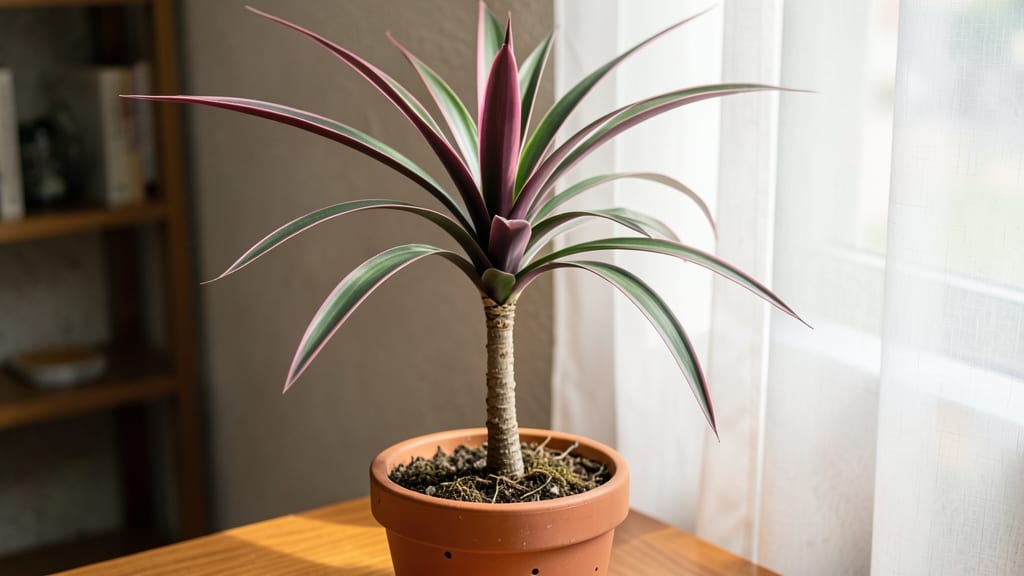
If you're wondering how tall does a dracaena plant grow, the answer depends entirely on the variety you choose—because some 🌿 dracaenas stretch toward the ceiling like skyscrapers, while others stay cozy at counter height.
Whether you're furnishing a tiny apartment or a spacious office, picking the right type can make all the difference in how your space feels.
Take the Dracaena marginata, for example—this striking variety can shoot up to 10-15 feet indoors if left unchecked, making it a bold statement plant for large rooms.
On the other hand, the Dracaena fragrans (like 'Massangeana') typically tops out around 6-8 feet, offering a more manageable height for most home settings.
But here's the thing: even the tallest dracaenas can be shaped to fit your space with simple care tweaks.
I’ll walk you through how light, pruning, and pot size influence growth—and how to keep your plant at your ideal height, whether that’s a 3-foot tabletop centerpiece or a towering indoor tree.
Ready to find the perfect dracaena for your home? Let’s break down the varieties, their growth habits, and the secrets to controlling their height so you can enjoy their beauty without the space struggles.


Dracaena variety heights: from compact to towering giants
Dracaena plants are famous for their striking foliage and adaptability, but their mature heights can vary dramatically depending on the variety. Some stay compact enough for small apartments, while others grow tall enough to rival small trees.
Understanding these height differences helps you choose the perfect dracaena for your space—whether it's a cozy corner or a grand living room.
Most dracaena varieties reach their mature height within 3-5 years, though some slow-growing types may take longer. The key is selecting a variety that matches both your space and your care routine.
For example, if you love tall, architectural plants, Dracaena marginata (the "Dragon Tree") could be your dream plant, while Dracaena warneckii is ideal for those with limited vertical space.
Here’s a quick look at how different dracaena varieties compare in height, from the smallest to the tallest. This will help you visualize which one fits best in your home or office.
| Variety | Mature Height | Growth Rate | Ideal For |
|---|---|---|---|
| Warneckii | 3-4 ft | Slow to moderate | Small spaces, desks, apartments |
| Janet Craig | 3-5 ft | Moderate | Bedrooms, offices, low-light areas |
| Deremensis | 5-7 ft | Moderate | Living rooms, hallways, larger offices |
| Fragrans (Cornstalk) | 6-8 ft | Fast | Large rooms, vertical gardens, statement plants |
| Marginata (Dragon Tree) | 10-15 ft | Slow to moderate | Sunrooms, atriums, outdoor spaces |
| Godseffiana | 4-6 ft | Moderate | Offices, hallways, medium-sized rooms |
| Sanderiana (Lucky Bamboo) | 2-3 ft | Slow | Desks, small tables, water culture setups |
The Dracaena marginata is the tallest variety, often reaching 10-15 feet indoors with proper care. Its slender, arching stems create a dramatic, tree-like appearance, making it perfect for sunrooms or atriums.
On the other hand, Dracaena warneckii and Dracaena sanderiana stay much shorter, ideal for desks or shelves in small spaces.
If you're working with limited ceiling height, consider Dracaena deremensis or Dracaena fragrans 'Massangeana', both of which typically stay under 6 feet. These varieties are also great for offices or hallways where you want a tall plant without overwhelming the space.
For a bushier, more compact look, Dracaena Janet Craig is a top pick, often staying between 3-5 feet tall.
One common misconception is that all dracaenas grow at the same rate. In reality, Dracaena fragrans varieties like 'Cornstalk' can grow 1-2 feet per year, while Dracaena marginata grows more slowly, adding only 6-12 inches annually.
This difference is crucial if you're planning to grow your dracaena into a specific height within a few years.
For those who love the look of a tall dracaena but lack the space, pruning is your best friend. Regular trimming can encourage bushier growth and keep the plant at a manageable height.
For example, you can prune a Dracaena marginata to maintain it at 6 feet instead of letting it grow to 15 feet. Just be sure to use clean, sharp pruners to avoid damaging the plant.
If you're unsure which variety to choose, start with a Dracaena deremensis or Dracaena warneckii—they’re versatile, low-maintenance, and fit well in most indoor spaces. Both varieties are also beginner-friendly, making them a great choice if you're new to growing dracaenas.
🌿
Factors that influence dracaena growth height (and how to control it)
Understanding what makes your dracaena reach for the sky—or stay compact—starts with light exposure. These plants thrive in bright indirect light, which encourages steady, controlled growth. Placing your dracaena marginata near a north-facing window keeps its height manageable, while too little light slows growth entirely.
Conversely, direct sunlight can cause leaf scorch but may lead to faster height increases in varieties like dracaena fragrans.
Pot size plays a huge role in height control. Root-bound plants focus energy upward, shooting up quickly. If your dracaena is growing too fast vertically, repot into a container just 1-2 inches wider than its current size.
This forces lateral growth instead of skyward spikes. For indoor dracaenas, choose pots with drainage holes to prevent root rot, which can stunt growth entirely.
- Light exposure: Bright indirect light = controlled growth; low light = stunted growth
- Pot size: Smaller pots = bushier growth; larger pots = taller growth
- Pruning: Cutting stems at 1/3 height encourages bushiness and slower vertical growth
- Fertilizer: Over-fertilizing = rapid but weak growth; balanced feed = steady growth
- Watering: Overwatering = root stress = slower growth; underwatering = stunted growth
Pruning is your secret weapon for controlling height. When your dracaena exceeds your desired height, snip the stem just above a leaf node. This triggers new shoots from the cut point, creating a fuller, bushier plant.
For dracaena marginata, which can grow 10-15 feet tall indoors, regular pruning keeps it at 4-6 feet—perfect for living rooms. Just use sterilized scissors to prevent disease.
Root-bound conditions often accelerate vertical growth as the plant competes for space. If your dracaena is growing too fast upward, check its roots. If they’re circling the pot, it’s time to repot. Choose a terracotta pot for better drainage and a well-draining soil mix with perlite or orchid bark.
This combo slows rapid growth while keeping roots healthy. For indoor varieties, rotate the pot quarter-turn weekly to ensure even light exposure all around.
Temperature and humidity also impact growth rates. Dracaenas prefer 65-80°F and moderate humidity. Drafty windows or cold drafts can stunt growth, while consistent warmth encourages steady height increases. If your dracaena fragrans is growing too slowly, move it to a warmer spot away from AC vents or exterior doors.
For low-humidity environments, mist leaves occasionally or use a pebble tray to maintain moisture levels.
Finally, fertilizer type and schedule affect height. Over-fertilizing with high-nitrogen feeds can lead to rapid but weak growth. Instead, use a balanced 10-10-10 fertilizer every 4-6 weeks during spring and summer.
Reduce feeding in fall and winter to prevent leggy growth. Pair this with morning watering to keep roots active without stressing the plant.