
Plants
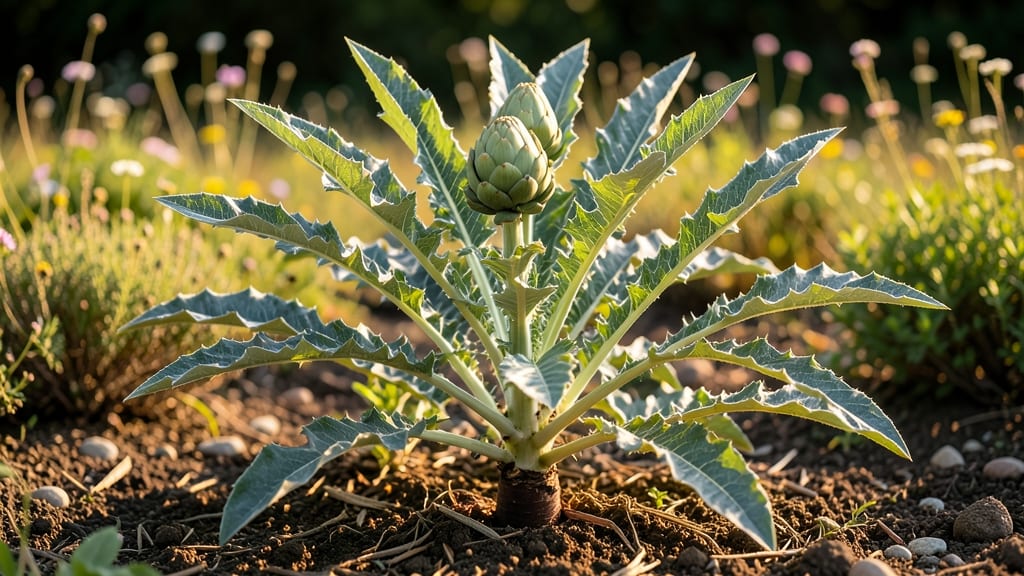
Artichoke plant height by variety: from dwarf to giant
Artichokes aren’t one-size-fits-all when it comes to height—some varieties grow like towering sentinels, while others stay neatly compact. The globe artichoke (Cynara cardunculus var. scolymus) typically reaches 3 to 6 feet at maturity, but the cardoon variety can stretch up to 8 feet in ideal conditions.
Even within globe types, you’ll find dwarf varieties perfect for containers or small gardens.
I’ve grown Imperial Star and Green Globe in my garden, and while both are globe types, the Imperial Star stays closer to 4–5 feet, while Green Globe often hits 5–6 feet.
The difference comes down to genetics and growing conditions—sunlight, soil quality, and even pruning habits play a role in how tall your plant becomes.
For those with limited space, dwarf varieties like 'Baby' or 'Small Wonder' rarely exceed 3 feet, making them ideal for urban gardens or balcony planters. Meanwhile, the cardoon (a thistle-like cousin of the artichoke) can grow 6–8 feet tall, with thick, edible stalks.
If you’re growing cardoons, plan for a support structure early—they’re not self-supporting!
Seasonal growth also affects height. In USDA Zone 6a (where I garden), artichokes start as 2–3 feet in their first year, then shoot up to 4–5 feet by their second year.
By year three, they’ll reach their full 5–6 foot potential if given proper care. Cold climates may stunt growth, while warm, sunny regions encourage taller plants.
Here’s a quick comparison: A standard globe artichoke in full sun can grow 3x faster than one in partial shade. That’s why I always plant mine in the sunniest spot of my garden—near my south-facing fence—where they get 6+ hours of direct sunlight daily.
| Variety | Mature Height | Growth Habit | Best For |
|---|---|---|---|
| Green Globe | 5–6 ft | Upright, bushy | Large gardens, in-ground |
| Imperial Star | 4–5 ft | Compact, bushy | Containers, small spaces |
| Baby | 3–4 ft | Dwarf, bushy | Balconies, urban gardens |
| Cardoon | 6–8 ft | Tall, slender | Large gardens, trellises |
If you’re growing artichokes in containers, choose dwarf varieties like 'Baby' or 'Small Wonder'—they’ll thrive in 15–20 gallon pots and rarely exceed 3 feet.
For in-ground planting, space globe artichokes 3–4 feet apart to avoid overcrowding, which can stunt growth and lead to taller, leggier plants reaching for sunlight.
Pro tip: If you notice your artichoke plants growing too tall too quickly, it’s often a sign of over-fertilization with nitrogen. Switch to a balanced 10-10-10 fertilizer and reduce frequency to every 6–8 weeks in summer.
I’ve seen plants grow 2 feet taller in a season when over-fertilized—so monitor closely!
For cardoons, height isn’t just about space—it’s about harvest timing. The taller they grow, the longer their stalks become, which means more edible material. But if your garden lacks space, you can prune cardoons back by 1/3 in early summer to encourage bushier growth and shorter stature.
Remember, artichoke height is a spectrum, not a fixed rule. With the right variety, care, and a little creativity (like trellising or pruning), you can grow artichokes that fit your space—whether it’s a 6-foot giant or a 3-foot dwarf in a pot on your patio.
How to control artichoke plant height for small gardens
If your garden space is limited but you still want to grow artichokes, don’t worry—there are smart ways to manage their height without sacrificing yield. The key lies in pruning techniques, trellising strategies, and choosing the right varieties.
With these methods, you can keep your artichoke plants at a manageable 3–4 feet instead of letting them reach their full 6-foot potential.
Start by selecting dwarf varieties like 'Green Globe' or 'Imperial Star', which stay compact and are perfect for containers or small plots. These varieties grow 3–4 feet tall and produce plenty of artichokes without taking up much space.
For even smaller spaces, consider 'Baby Blue', a globe artichoke that matures at just 2–3 feet tall.
Next, use trellising to guide vertical growth while keeping the plant contained. Install a sturdy trellis or bamboo stakes near your plants as they grow. Gently tie the main stems to the trellis using soft plant ties or old fabric strips.
This not only controls height but also improves air circulation, reducing the risk of fungal diseases like powdery mildew.
Pinch back the tips of young plants when they reach 12–18 inches tall to encourage branching. This creates a fuller, shorter plant with multiple stems producing artichokes.
Repurpose a tomato cage or install a wooden trellis to support vertical growth. This keeps the plant upright and prevents it from sprawling.
Frequent harvesting of mature artichokes encourages the plant to focus on producing more buds rather than growing taller. Remove spent flower heads promptly.
Apply a 2–3 inch layer of mulch around the base to keep soil moist and cool. This reduces stress on the plant, which can lead to excessive height growth.
Plant dwarf varieties in large containers (at least 12–18 inches deep) to limit root spread. Ensure the pot has drainage holes to prevent waterlogging.
For urban gardeners or those with balconies, growing artichokes in containers is a game-changer. Use a 5-gallon bucket or fabric grow bag filled with well-draining soil mixed with compost. Place the container in a sunny spot and water deeply every 2–3 days to keep the soil consistently moist.
With this setup, you can enjoy artichokes without needing a traditional garden bed.
Remember, artichoke plants thrive with 6+ hours of sunlight daily and well-draining soil. If you notice your plants stretching too tall, they might be reaching for more light. In this case, move them to a sunnier spot or supplement with a grow light for 4–6 hours a day.
With these tips, you’ll keep your artichoke plants at an ideal height while still enjoying a bountiful harvest.
🌱