
Plants
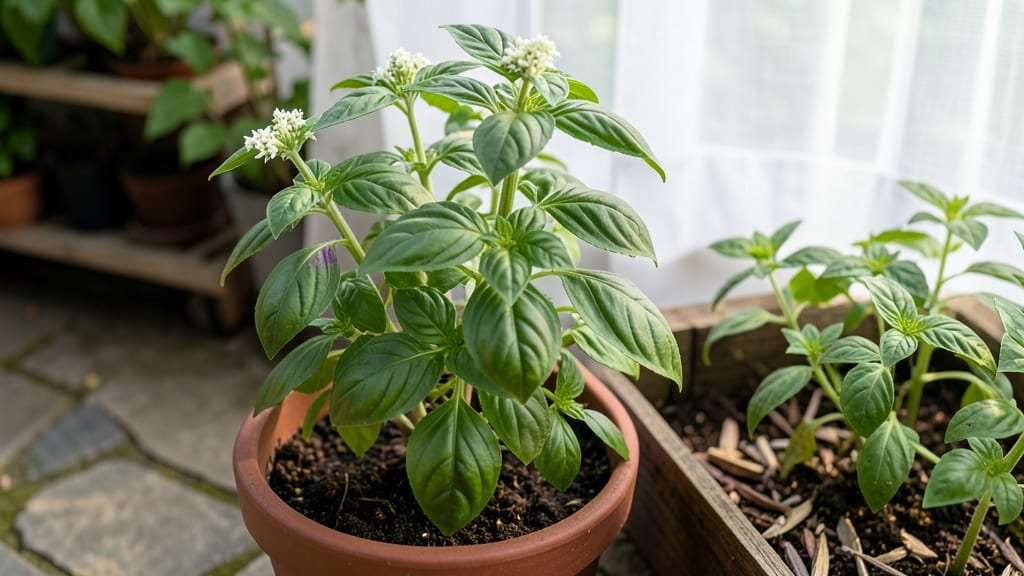
Wondering how tall a basil plant can grow before it becomes a leggy, leaf-sparse tower? The answer isn’t just about genetics—it’s about the secrets of pruning and care that keep your plants compact and productive.
Most basil varieties naturally reach 12–24 inches tall, but with the right techniques, you can coax them to stay between 8–12 inches—perfect for snipping fresh leaves straight from the pot. The key? Pruning at the right time and giving them the sunlight and nutrients they crave.
If your basil is stretching toward the sky instead of branching out, don’t panic. I’ll show you exactly how to trim it for bushier growth, fix common mistakes that make plants grow too tall, and even adjust care for indoor vs. outdoor basil.
Let’s turn those skinny stems into a thriving, harvest-ready plant.
Ready to transform your basil from a floppy mess into a flavor-packed powerhouse? The best part? You don’t need a green thumb—just a few simple steps and a little patience. Let’s get started!


Natural height range of basil plants and what determines it
When you plant basil, you’re likely expecting a compact, leafy herb perfect for pesto or salads—not a towering stalk. On average, standard basil varieties like Genovese reach 18–24 inches tall, while dwarf types stay between 8–12 inches.
But why do some plants stretch toward the sky while others stay bushy? The answer lies in genetics, sunlight, and care.
Basil’s height isn’t just about variety—it’s also about optimal growing conditions. Too little sunlight or poor soil can trigger leggy, spindly growth, while proper care keeps plants stocky and productive.
For example, Thai basil often grows taller (up to 3 feet) because of its natural bushier structure, while Purple basil typically stays shorter (12–18 inches).
| Variety | Mature Height | Sunlight Needs | Key Care Tip |
|---|---|---|---|
| Genovese | 18–24 inches | 6+ hours direct | Pinch regularly |
| Thai | 24–36 inches | Full sun | Prune aggressively |
| Purple | 12–18 inches | 6+ hours | Harvest outer leaves |
| Dwarf | 8–12 inches | Bright light | Use containers |
*Height varies with pruning and sunlight exposure.
Sunlight is the #1 factor controlling basil’s height. Without 6+ hours of direct sun daily, plants stretch toward light, creating weak, elongated stems. This is called etiolation, and it’s a red flag your basil needs more light.
Even indoor growers face this—placing basil near a south-facing window or under grow lights can prevent excessive height.
Soil quality also plays a role. Poor drainage or nutrient deficiencies stress plants, causing them to grow taller in search of resources. Always use well-draining, fertile soil mixed with compost. A quick fix? Add a balanced fertilizer (10-10-10) every 4–6 weeks to support compact growth.
Temperature matters too. Basil thrives in 70–80°F soil temps but bolts (goes to seed) when stressed by heat or cold. If your climate swings outside this range, container growing lets you move plants to shaded or sheltered spots, keeping them healthy and short.
One common myth is that basil grows taller indoors. While it’s true indoor plants may reach for light, with proper grow lights and pruning, you can keep them just as compact as outdoor varieties. The key is consistency—regular pruning and adequate light trump indoor vs. outdoor debates.
For the best results, aim to keep your basil between 8–12 inches tall by pruning and pinching. This not only controls height but also boosts leaf production, giving you more harvests per plant. Think of it like shaping a hedge—trim often, and you’ll get bushier, shorter growth.
Next time you notice your basil stretching, check its sunlight, soil, and pruning habits. With the right care, you’ll enjoy compact, flavorful plants all season long—no towering stalks required! 🌿
Pruning techniques to control basil height and boost leaf production
If your basil plants are reaching for the sky instead of producing thick, flavorful leaves, pruning is your secret weapon. The right cuts encourage bushier growth while keeping stems at an ideal 8–12 inches, perfect for harvesting.
Think of pruning as sculpting—you’re shaping the plant to thrive, not just trim it back.
Start by pinching off the top sets of leaves when your basil sprouts about 6 inches tall. This might sound counterintuitive, but removing the growing tip forces the plant to branch out, creating more leafy stems.
It’s like telling your basil, “Hey, grow sideways instead of up!” This technique is called pinching, and it’s the easiest way to control height naturally.
- 🌱 Pinch when young: Remove top leaves at 6 inches to encourage branching.
- ✂️ Harvest regularly: Cut stems just above a leaf node to promote new growth.
- ☀️ Prune flowers: Snip blooms immediately to redirect energy to leaves.
- 🌿 Trim leggy stems: Cut back overgrown branches to 4–6 inches for compact growth.
- 📅 Time it right: Prune in morning to avoid evening moisture stress.
For established plants, use harvesting cuts to maintain height and boost production. Snip stems just above a leaf node (the point where leaves attach) using clean scissors. This method stimulates the plant to grow new branches from the node, creating a fuller, more productive bush.
Aim to harvest 1/3 of the plant at a time to avoid shocking it.
If your basil has already stretched too tall, don’t panic—it’s never too late to prune. Cut back overgrown stems to 4–6 inches from the base. While this might seem drastic, your basil will respond by sending out new shoots from the stem nodes.
Just be patient; it may take a few weeks to recover, but the result will be a compact, leafy plant ready for another harvest season.
One common mistake is pruning too late in the season. Basil grown in USDA Zone 6a or warmer should be pruned through early fall, but avoid heavy cuts after mid-September to allow the plant to harden off before frost.
In cooler climates, prune until the first frost, but reduce intensity as temperatures drop to protect the plant’s energy reserves.
Remember, the goal isn’t just to control height—it’s to create a basil plant that’s productive, healthy, and compact. With consistent pruning, you’ll enjoy a steady supply of fresh leaves all season long, whether you’re growing basil in pots on your balcony or in garden beds. Happy pruning! 🌿