
How To
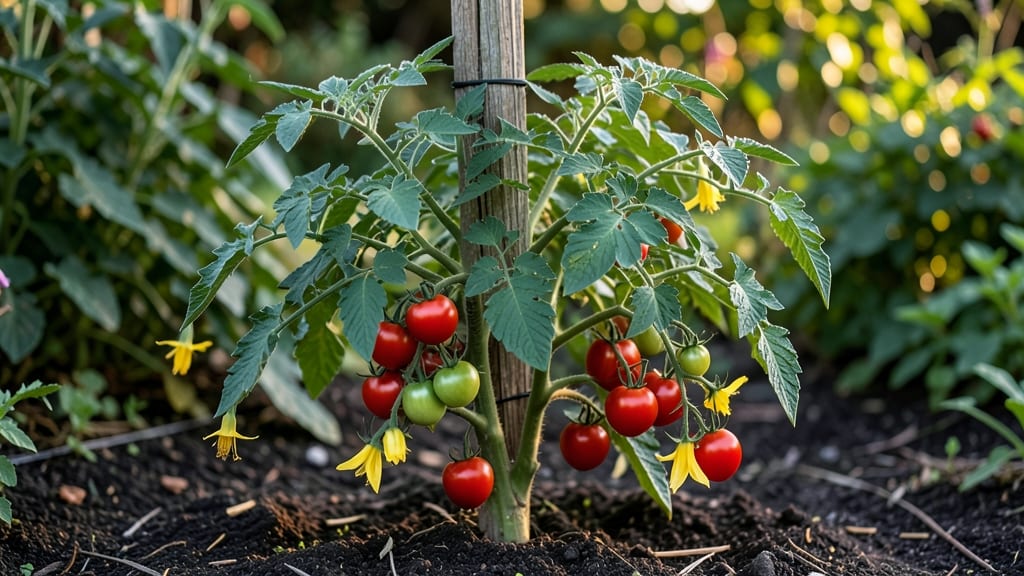
If you’re wondering how much light does a tomato plant need, the answer is simple: these sun-loving plants thrive with 6-8 hours of direct sunlight daily, but many gardeners unknowingly starve them of the light they crave, leading to weak vines and sparse harvests.
Getting the sunlight balance right isn’t just about hours—it’s about intensity, timing, and even adjusting for your growing setup.
Whether you’re working with a backyard garden in USDA Zone 6a or coaxing tomatoes indoors, knowing exactly how much light your plants need can mean the difference between a handful of tomatoes and a bountiful harvest.
I’ll break down the ideal sunlight hours for each growth stage, from seedlings to fruiting, and share practical tips for maximizing light—even in shady spots.
Plus, you’ll learn how to spot the telltale signs of light deprivation (like leggy stems or pale leaves) and how to fix them before your plants throw in the towel.
Ready to give your tomatoes the light they deserve? Let’s turn those sun-starved plants into thriving, fruit-loaded vines—no guesswork required.
 Best Window Placement
Tomato plant sunlight requirements by growth stage: hours and intensity guide
Tomatoes thrive under full sun, but their light needs change dramatically as they grow. Seedlings need gentle protection, while mature plants demand 6-10 hours of direct sunlight daily. Understanding these shifts helps you adjust care—whether you're growing in a backyard garden or a sunny balcony.
Let’s break down each stage so you can optimize light for maximum fruit production.
For seedlings, start with 4-6 hours of bright, indirect light to prevent leggy growth. Use a grow light or place them near a south-facing window.
Too much direct sun at this stage can scorch tender leaves. Once seedlings develop their first true leaves, gradually increase exposure to prepare them for transplanting.
At the transplanting stage, your tomatoes need 6-8 hours of sun daily. This is their transition period—too little light now means weak stems and poor root establishment.
If your garden gets afternoon shade, position plants to catch morning sun first. Cherry tomatoes are slightly more adaptable than heirloom varieties at this stage.
During flowering and fruiting, the stakes get higher: aim for 8-10 hours of full sun. This is when your plants need the most energy to produce fruit.
If you notice flowers dropping or fruits staying small, it’s a light deficiency signal. Even partial shade can reduce yields by up to 30% during this critical phase.
Indoor growers face unique challenges. A south-facing window provides about 4-6 hours of usable light, but supplement with a LED grow light for 12-16 hours daily.
Place lights 6-12 inches above the plants and adjust as they grow. Without enough light, indoor tomatoes may produce fewer flowers and smaller fruits.
Outdoor tomatoes in hot climates (Zones 9+) may need afternoon shade to prevent sunburn on fruits. Use shade cloth (30-50%) during peak sun hours (11 AM–3 PM). This protects ripening tomatoes while still allowing 6+ hours of morning sun. Varieties like 'Solar Fire' handle heat better than 'Brandywine' heirlooms.
| Growth Stage | Sunlight Needs | Intensity | Outdoor Adjustments | Indoor Solutions |
|---|---|---|---|---|
| Seedlings | 4-6 hours | Indirect light | Grow light 12" away | South-facing window + grow light |
| Transplanting | 6-8 hours | Direct sun | Morning sun priority | 14-hour light cycle |
| Flowering | 8-10 hours | Full sun | Afternoon shade cloth | LED grow light 6" above |
| Fruiting | 8-10+ hours | Full sun | Drip irrigation for heat | Reflective surfaces (aluminum foil) |
If you’re growing container tomatoes, choose the sunniest spot on your patio or deck. Containers heat up faster, so ensure they get at least 6 hours of direct sun.
Dark-colored pots absorb more heat—opt for light-colored containers to reflect sunlight and keep roots cooler. Varieties like 'Tiny Tim' or 'Patio Princess' are perfect for small spaces.
Seasonal adjustments are key. In spring, when days are shorter, prioritize southern exposures. By summer, long daylight hours mean you can move plants to slightly shadier spots to prevent heat stress. Always monitor leaf color: deep green means optimal light, while yellowing signals deficiency or excess.
Pro tip: Use a light meter (or phone app) to measure sunlight in your garden. Aim for 10,000-15,000 lux during peak hours. If your space falls short, consider reflective mulch or white-walled raised beds to bounce extra light onto your plants.
Even small tweaks can boost your harvest by 20-40%.
Remember, tomatoes are sun-seekers, but balance is everything. Too little light stunts growth, while too much can lead to blossom drop or sunburned fruit. By tailoring light to each growth stage, you’ll set your plants up for a bountiful, flavorful harvest—no matter where you garden.
Signs your tomato plants aren’t getting enough (or too much) sunlight
Your tomato plants speak volumes through their leaves and stems—pay attention to their visual cues. If they’re stretching toward the sky with long, weak stems, they’re begging for more sunlight.
This leggy growth happens when seedlings or young plants don’t get enough light, causing them to grow tall and spindly in search of rays. Even worse, flowers may drop before setting fruit, leaving you with fewer tomatoes than you hoped for.
On the flip side, too much sun can be just as damaging. Look for yellow or brown patches on leaves, especially on the upper sides exposed to harsh afternoon rays. These are signs of sunburn, where the plant’s cells get fried by excessive UV exposure.
Even the fruit can suffer—blotchy, white, or leathery skin on tomatoes is a red flag that your plants are getting more sun than they can handle.
🌱 Light Deficiency vs. Overexposure
- 🌱 Leggy, stretched stems
- 🌱 Pale or yellowing leaves
- 🌱 Few or no flowers/fruit
- 🌱 Slow growth
- 🔥 Brown/yellow leaf patches
- 🔥 Blotchy or cracked fruit
- 🔥 Wilting in heat
- 🔥 Premature leaf drop
If your plants are leggy and weak, move them to a sunnier spot immediately. For seedlings, consider a grow light (12–16 hours daily) until they’re transplanted outdoors. Use reflective surfaces like white walls or aluminum foil wrapped around containers to bounce extra light onto the plants.
This trick can add 2–3 hours of effective sunlight in shady areas.
For plants suffering from sunburn, provide afternoon shade with a lightweight shade cloth (30–50% block) or move them to a spot with morning sun only. Mulching with straw or wood chips helps regulate soil temperature, reducing stress on roots during heatwaves.
Avoid pruning heavily in peak sun—focus on removing only damaged leaves to let the plant recover.
One of my favorite fixes for partial-shade gardens is companion planting. Tall, fast-growing companions like corn or sunflowers can cast moving shadows that mimic natural dappled light. Just be sure to harvest the companions before they overshadow your tomatoes completely!
Regularly check your plants’ light exposure by observing their growth patterns—adjust as needed to keep them thriving.
Remember, cherry tomatoes and heirloom varieties often tolerate slightly less sun than beefsteak types, but all tomatoes need at least 6 hours of direct light daily. When in doubt, err on the side of more sun—your harvest will thank you! ☀️