Plants
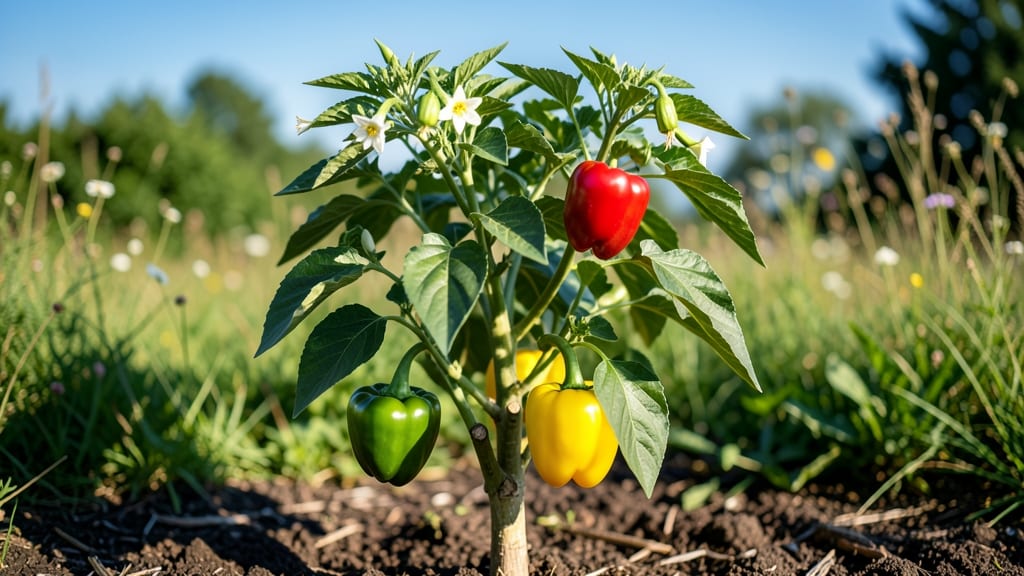
If you’ve ever wondered how tall a pepper plant can grow, think again—because their height depends far more on the variety than your garden’s vertical ambitions. Some stay compact enough for windowsill containers, while others reach waist-high with proper care, making space planning the key to a thriving harvest.
Picture this: a bell pepper variety like 'Sweet Banana' stays neatly under 3 feet, perfect for small balconies, while a jalapeño like 'Tabasco' can climb to 4 feet or more if left unchecked.
The difference isn't just about aesthetics—it affects how you prune, trellis, and even where you plant them in your garden layout.
But here's the game-changer: with the right techniques, you can control their growth naturally—whether you're working with a sprawling habanero or a compact cherry pepper. I'll show you how to maximize space, boost yields, and avoid common mistakes that turn your pepper patch into a tangled mess.
Ready to turn your garden into a pepper powerhouse? Let's break down the heights, space-saving hacks, and pro tips that'll have you harvesting like a seasoned grower—no matter how much (or little) room you've got.


Pepper plant height by variety: from dwarf to towering giants
If you've ever wondered whether your pepper plants will need a ladder to harvest, the answer depends entirely on the variety you choose. Some stay compact enough for window boxes, while others reach nearly 4 feet tall—or even taller with proper support.
Understanding these differences helps you plan your garden layout and avoid overcrowding, which can lead to disease or poor fruit production.
Most pepper varieties fall into three height categories: dwarf (under 2 feet), medium (2-3 feet), and tall (3-5 feet). For example, jalapeño and serrano peppers often grow 3-4 feet tall, while bell peppers like 'Sweet Banana' stay around 2-3 feet.
Meanwhile, habanero plants can stretch toward 4 feet or more if left unpruned. Let’s break down the specifics so you can pick the perfect fit for your space.
| Variety | Height Range | Growth Habit | Best For |
|---|---|---|---|
| Dwarf Bell Peppers (e.g., 'Lunchbox') | 12–18 inches | Bushy, compact | Containers, small gardens |
| Jalapeño (e.g., 'Early Jalapeño') | 24–36 inches | Upright, bushy | In-ground beds, large pots |
| Bell Peppers (e.g., 'California Wonder') | 24–48 inches | Bushy to slightly sprawling | Garden beds, trellises |
| Habanero (e.g., 'Red Savina') | 36–48 inches | Tall, bushy | Spacious gardens, trellises |
| Mini Peppers (e.g., 'Snack Mix') | 12–24 inches | Compact, bushy | Containers, window boxes |
🌱 Pro Tip: Always check seed packets for exact height ranges—some varieties can vary by 6+ inches!
Beyond height, growth habits play a huge role in how you should space your plants. Bush-type peppers, like many bell varieties, grow upright with a compact base and spread outward slightly. These are ideal for square-foot gardening or raised beds.
On the other hand, sprawling varieties, such as some jalapeños or cayenne peppers, may need trellises or cages to prevent them from flopping over and blocking sunlight from neighboring plants.
If you’re growing peppers in containers, opt for dwarf varieties like 'Lunchbox' bell peppers or 'Tiny Tim' jalapeños. These stay under 2 feet tall and thrive in 5-gallon pots with proper drainage.
For larger gardens, taller varieties like 'Carolina Wonder' bell peppers or 'Habanero' can reach 4 feet or more, so plan to space them 18–24 inches apart to avoid competition for nutrients and light.
Another factor to consider is pruning. Even tall-growing varieties can be kept shorter with regular pinching of new growth. This encourages bushier plants with more fruit-bearing branches and improves air circulation, reducing the risk of fungal diseases like powdery mildew.
I like to prune mine when they reach 2 feet tall, removing the top set of leaves to redirect energy to the lower branches where most peppers form.
For urban gardeners or those with limited space, vertical gardening is a game-changer. By using trellises, tomato cages, or even hanging baskets, you can grow taller varieties like jalapeños or serranos without sacrificing your patio or balcony space.
Just ensure your support structure is sturdy—pepper plants can get surprisingly heavy when laden with fruit!
One common mistake I see is overcrowding plants to save space. While it might seem efficient, peppers need good airflow to stay healthy. If you’re short on room, choose dwarf varieties or stagger planting times to avoid competition.
For example, plant a batch of mini peppers in early spring, then add taller varieties like bell peppers once the first harvest is complete.
Finally, remember that height isn’t everything. Some of the most productive peppers are short and bushy, while others grow tall but produce fewer peppers if not given enough space. Pay attention to fruit size and yield potential when selecting varieties—sometimes a slightly
How to control pepper plant height naturally (without sacrificing yield)
Managing your pepper plant’s height doesn’t mean sacrificing a bountiful harvest—it’s all about smart techniques that encourage controlled growth while maximizing fruit production.
Whether you’re working with limited space or simply prefer a neater garden layout, these methods will help you keep your plants at the perfect height for your needs.
One of the easiest ways to manage height is through pruning. By selectively removing branches, you can redirect the plant’s energy toward producing more peppers instead of growing taller.
Focus on trimming the topmost leaves and any leggy stems to encourage bushier growth. This method works especially well for taller varieties like jalapeños or habaneros.
🌱
Trim the top growth when plants reach 12-18 inches to encourage branching. Use clean, sharp pruners to avoid damaging stems.
Suckers (small shoots in leaf axils) compete for energy. Pinch them off to focus growth on fruit production.
Train vining varieties upward with bamboo stakes or cages. This saves space and improves air circulation, reducing disease risk.
Apply 2-3 inches of mulch around the base to retain moisture and prevent leggy growth caused by stress.
Use a balanced fertilizer (5-10-10) early in the season, then switch to a low-nitrogen blend to promote flowering and fruiting over foliage.
Another game-changer is companion planting. Pairing peppers with bushy companions like basil or marigolds can naturally limit their spread while deterring pests. This method also improves soil health, which indirectly supports compact growth by reducing nutrient competition.
For container growers, choosing the right pot size is critical. A 5-gallon container is ideal for most pepper varieties—it provides enough root space to support healthy growth without encouraging excessive height.
If you notice roots circling the pot, it’s time to upgrade to a larger container or transplant into the ground.
🪴
Finally, avoid overwatering, which can lead to leggy, weak stems. Water deeply but infrequently—aim for 1-2 inches per week—and always water at the base to keep leaves dry. This practice strengthens stems naturally, reducing the need for staking or additional support.