Plants
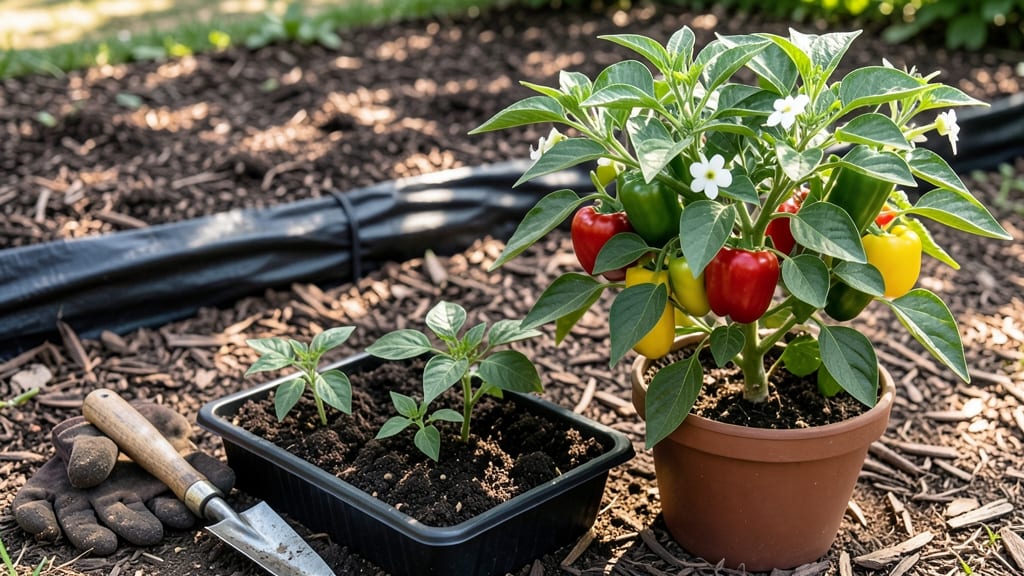
Planting your 🌶️ bell peppers in Oregon at the wrong time can mean the difference between a bountiful harvest and a sad, wilted disappointment. The key to success isn’t just waiting for spring—it’s knowing exactly when your soil warms up to trigger fast germination and strong growth.
Oregon’s 7b-9a zones and coastal fog can delay planting by weeks compared to inland areas. If you start too early, chilly soil will stall your seeds, but planting too late risks missing the short summer window.
I’ll show you how to time it perfectly, whether you’re in Portland, the Willamette Valley, or the high desert.
Most gardeners in Oregon plant bell peppers between mid-April and early June, but that’s just the starting point.
We’ll dive into soil temperature tricks, frost risks, and how to adjust for your specific microclimate—so you can get a head start on those slow-to-germinate seeds and enjoy peppers from July to October.
Ready to skip the guesswork? You’ll learn how to use soil thermometers, choose the right varieties for Oregon’s short season, and even extend your harvest with simple tricks. Let’s get those peppers growing fast and thriving!
Oregon’s ideal bell pepper planting timeline based on soil temperature
Bell peppers love warmth—they won’t germinate until soil hits 55°F, and growth stalls below 65°F. In Oregon, this means timing is everything. Coastal areas like Astoria can plant 2-3 weeks earlier than inland spots like Bend, where late frosts delay the season.
Your USDA zone (7b-9a) and microclimate dictate whether you’re planting in early April or late May.
Use a soil thermometer to confirm readiness—60°F soil is ideal for transplanting. In Willamette Valley, aim for mid-April to early May, while high desert regions may wait until late May. Missing this window risks slow growth or frost damage before harvest.
🌱
For fastest germination, pre-warm seeds indoors 8-10 weeks before your target transplant date. Coastal gardeners can start seeds in March, while inland growers should wait until April. Black plastic mulch raises soil temps by 5-10°F, letting you plant 2 weeks earlier in cooler zones.
If your soil isn’t warm enough by early June, opt for short-season varieties like ‘Early California Wonder’ (60 days) or ‘Jupiter’ (65 days). These mature before Oregon’s first frost in mid-October. For late plantings, use row covers to protect against unexpected chills.
Pro tip: Check your local extension office for hyper-local frost data. Even within Portland, neighborhoods can vary by 1-2 weeks in frost timing. Urban heat islands (like downtown) may frost 10 days later than rural areas.
🌿
To extend your growing season, succession plant every 2 weeks from April to June. This ensures a continuous harvest from July to October. Pair early plantings with heat-tolerant varieties like ‘Carmen’ (red) or ‘Aristotle’ (purple), which handle 90°F+ temps better than standard types.
Remember: Soil warmth > calendar dates. A 60°F soil in late May is better than a 50°F soil in early April. Use a soil thermometer ($10 at garden centers) to avoid guesswork. Patience pays off
How to time bell pepper planting for Oregon’s frost risks and heatwaves
Oregon’s unpredictable frost dates and sudden heatwaves can derail your bell pepper harvest if you’re not strategic. The key is planting when your soil stays warm long enough for germination but before summer’s intense heat stunts growth.
For most of Oregon, this means aiming for late April to early June, but your exact window depends on your microclimate.
Start by checking your local last frost date—coastal areas like Astoria may see frost-free soil by March 15, while inland spots like Bend often wait until May 1.
Use your frost-free days (typically 150-200 days in Oregon) to calculate when to plant for a harvest before October’s first frost.
Here’s how to time your planting perfectly using simple tools and local data:
If you’re starting seeds indoors, begin them 8-10 weeks before your last frost date under grow lights or a south-facing window. Harden off seedlings for 1 week before transplanting to acclimate them to outdoor conditions and avoid shock.
For container gardening, use black pots to absorb heat and plant in south-facing spots. Containers dry out faster, so water deeply every 2-3 days and mulch to retain moisture. With these tips, you’ll beat Oregon’s climate challenges and enjoy a bountiful bell pepper harvest.