
Plants
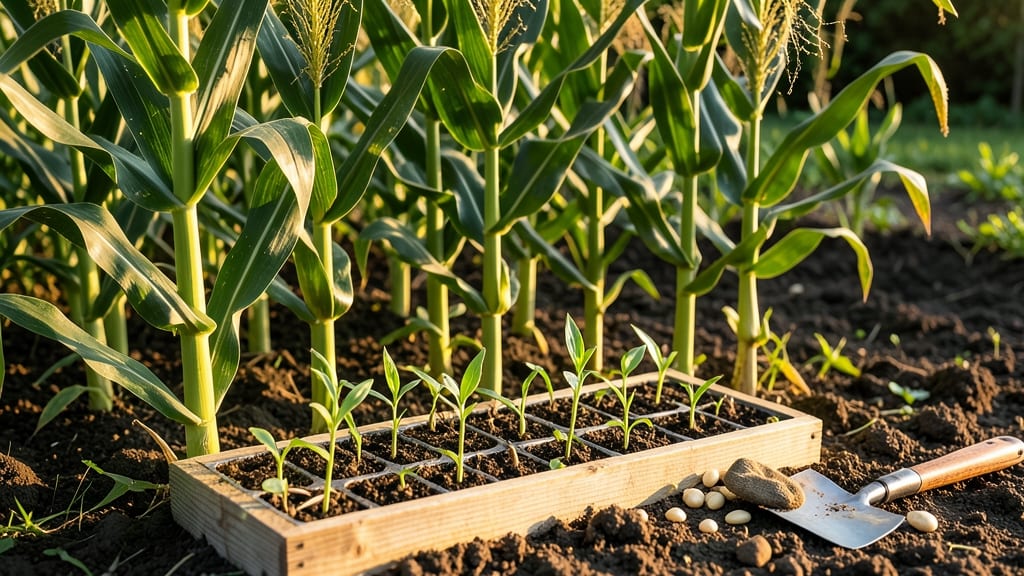
Timing your field corn 🌽 planting in North Carolina can make or break your harvest—get it wrong, and you might end up with stunted plants or missed maturity windows entirely.
With North Carolina's diverse climate zones (7a-8b) and unpredictable spring weather, knowing the exact planting window is key. Too early, and cold soil slows germination; too late, and your crop may not mature before the first frost in October.
I'll break down the optimal planting dates for your region, soil prep secrets, and how to adjust for NC's heat zones. Whether you're growing dent corn for livestock or sweet corn for the table, these tips will help you maximize your yield.
Let's dive into the perfect planting schedule so you can enjoy a bountiful harvest from late August through October.
North Carolina heat zones & optimal field corn planting dates by region
North Carolina’s diverse climate—from the humid Coastal Plain to the cooler Mountains—means planting dates for field corn vary dramatically. The state spans USDA zones 5A-8B, with frost-free periods ranging from 180 days in the Mountains to over 210 days along the coast.
Timing your planting to align with soil temperatures of 50°F+ and last frost dates is critical for germination and maturity.
For most of NC, the ideal planting window is between late April and mid-May. However, in Zone 5A (Mountains), you’ll need to wait until mid-May to early June, while Zone 8B (Coastal Plain) gardeners can start as early as mid-March under row covers.
The key is to ensure corn reaches maturity before the first frost, which typically hits mid-October in the Piedmont and earlier in higher elevations.
Here’s how to match your region to the perfect planting timeline:
| Region | USDA Zone | Last Frost | Optimal Planting | Soil Temp Threshold |
|---|---|---|---|---|
| Coastal Plain | 8A-8B | Mid-March | Mid-March to early April | 50°F+ (earlier with row covers) |
| Piedmont | 7A-7B | Mid-April | Late April to mid-May | 55°F+ (wait for consistency) |
| Mountains | 5A-6B | Late April | Mid-May to early June | 60°F+ (soil warming helps) |
Use a soil thermometer to confirm temperatures—corn seeds won’t germinate below 50°F, and 60°F+ speeds up growth. In cooler zones, black plastic mulch can raise soil temps by 5-10°F, allowing earlier planting.
For precise local data, check the NC State Extension’s frost maps or use the USDA Plant Hardiness Tool.
Pro tip: Plant short-season varieties in Zone 6B if you’re pushing the frost date. Varieties like ‘Early Sunglow’ (75 days) mature faster than standard dent corn, giving you a buffer for late starts.
Always calculate your first frost date backward from your variety’s days to maturity—this ensures you’re not caught off guard by an early chill.
For example, if you’re growing ‘Pioneer 39G53’ (110 days) in the Piedmont (Zone 7A), count back 110 days from your average first frost (Oct 15) to land on mid-June as your last safe planting date. Planting after this risks immature ears before frost.
Another critical factor is rainfall timing. NC’s spring can be unpredictable—too much rain before planting delays soil warming, while droughts stress young seedlings. Aim to plant when soil is workable but not waterlogged.
If your area experiences late frosts (common in the Mountains), have a backup planting plan with row covers ready.
Finally, don’t overlook microclimates. A south-facing slope in the Piedmont may warm up 2 weeks earlier than a north-facing valley. Observe your garden’s sun exposure patterns and adjust planting dates accordingly.
For instance, if your garden gets frost pockets, opt for earlier-maturing varieties or use cold frames to extend the season.
🌽
Variety-specific planting deadlines: early vs. mid-season vs. sweet corn
North Carolina’s diverse climate means field corn varieties thrive best when planted at different times. Sweet corn like ‘Silver Queen’ needs early planting (late March to early April) to mature before summer heat, while dent corn like ‘Pioneer 39G53’ can handle later starts (May) for fall harvests.
Timing directly impacts kernel quality and yield—plant too early, and you risk frost damage; too late, and ears won’t develop fully.
Soil temperature is your best guide: aim for 60°F+ for germination. In Coastal NC (Zone 8a), start sweet corn by April 15 to avoid summer drought stress. In the Mountains (Zone 6b), wait until May 1 to prevent late frosts. Varieties with shorter days to maturity (60–90 days) offer flexibility for adjustments.
| Variety Type | NC Planting Window | Days to Maturity | Last Planting Deadline (NC) | Key Risk |
|---|---|---|---|---|
| Sweet Corn (e.g., 'Silver Queen') | Late March–Early April | 60–90 days | May 15 (Coastal), June 1 (Mountains) | Overheating, drought stress |
| Dent Corn (e.g., 'Pioneer 39G53') | Mid-April–Mid-May | 90–120 days | June 15 (all regions) | Frost damage to ears |
| Flint Corn (e.g., 'Black Aztec') | Late April–Early June | 100–130 days | July 1 (Coastal), August 1 (Mountains) | Late-season pests |
For sweet corn, prioritize early planting to align harvests with peak quality (late July–August). Dent corn, used for livestock or grain, benefits from later starts to mature before the first frost (mid-October in most of NC). Flint corn, a hybrid, offers the most flexibility but requires well-drained soil to avoid kernel rot in humid Piedmont summers.
Check NC State Extension’s frost maps for your county—some inland areas (like Asheville) have earlier frost risks than coastal regions. If you’re unsure, opt for bifurcated planting: sow half your seeds early and half 2 weeks later to spread harvests and reduce waste.
This works especially well for sweet corn varieties like ‘Ambrosia’.
Pro tip: Use a soil thermometer to confirm 60°F+ before planting—cold soils delay germination by weeks. In Zone 7b (Piedmont)**, I’ve seen seeds take 3x longer to sprout when planted in 50°F soil versus 65°F. Patience here saves headaches later! 🌽