
Plants
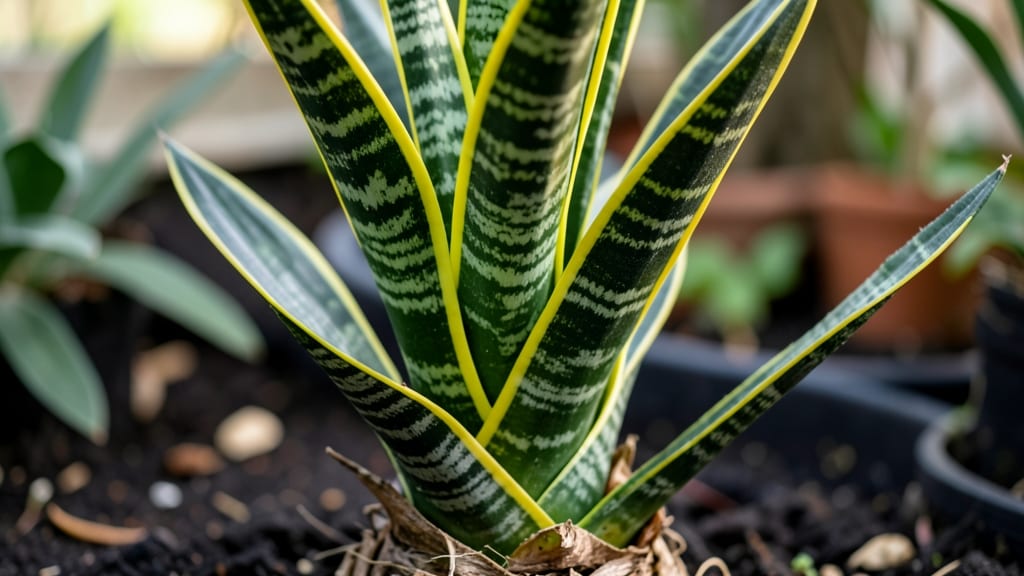
If you're wondering how tall your snake plant 🌿 could grow, the answer might surprise you—some varieties stay as short as 1 foot, while others can stretch toward the ceiling at 4 feet or more!
The height depends on the specific type you choose, as well as how you care for it.
Popular varieties like the classic Sansevieria trifasciata 'Laurentii' typically reach 2 to 3 feet indoors, making them perfect for shelves or small spaces. On the other hand, types like S. cylindrica can grow even taller, especially if given plenty of light and room to spread.
Even a modest 3-foot plant can become a striking focal point in your home.
But here’s the thing: proper care can either encourage that vertical growth or keep your snake plant compact. Light exposure, pot size, and even pruning play a big role in how tall (or short) your plant stays.
Want to learn how to manage its height? I’ll show you exactly how to control its growth—whether you prefer a petite plant or a lanky statement piece.
Ready to discover the best care tips for your snake plant’s ideal height? Let’s dive in and explore how to keep it thriving at just the right size for your space! Explore our snake plant care guide for more tips!


Snake plant height ranges by variety: from compact to towering
Snake plants (Sansevieria) are famous for their adaptability, but their height can vary dramatically depending on the variety. Some stay under 2 feet, perfect for small spaces, while others grow tall enough to rival indoor trees.
Understanding these differences helps you choose the right plant for your home or garden.
Most snake plant varieties reach maturity between 1 to 4 feet tall, but some rare types can exceed 6 feet under ideal conditions. The most common varieties like Sansevieria trifasciata 'Laurentii' typically stay between 2 to 3 feet, making them great for desks or shelves.
Meanwhile, larger varieties like S. cylindrica can grow up to 10 feet in outdoor settings.
Here’s how to visualize the differences:
The height of a snake plant isn’t just about the variety—light exposure plays a huge role. Plants in bright, indirect light grow taller and fuller, while those in low light may stay shorter but become leggier.
For example, a Laurentii in a sunroom might reach 3 feet, but the same plant in a dim corner could max out at 2 feet.
Another key factor is pot size. Snake plants in smaller pots grow more slowly and stay compact, while those in large containers or garden beds can stretch taller.
If you’re growing yours outdoors, expect faster growth—some varieties like S. cylindrica can add 6 inches per year in ideal conditions.
Even with fast-growing varieties, pruning can help manage height. Trimming leggy leaves encourages bushier growth and prevents your snake plant from becoming a vertical jungle. I’ll cover pruning tips in detail later, but for now, remember: a little maintenance goes a long way in controlling size.
If you’re unsure which variety to choose, consider your space. For small apartments, Moonshine or Hahnii are perfect. For large rooms or gardens, cylindrica or Futura Superba will make a bold statement.
The right choice depends on your available space and growth goals—whether you want a low-maintenance desk plant or a dramatic centerpiece.
🌱
Factors that determine snake plant height: light, pot size, and pruning
Your snake plant’s height isn’t just about genetics—light exposure, container size, and pruning habits play huge roles in whether it stays compact or stretches toward the ceiling. For example, a Sansevieria 'Moonshine' in bright indirect light can grow 20% taller than one in dim corners.
Meanwhile, root-bound plants often grow leggy as they compete for space, while repotting can trigger bushier, shorter growth.
I’ve found that bright, indirect light (like a north-facing window) encourages slower, stockier growth, while low light forces plants to stretch toward light sources. This "etiolation" can turn a 2-foot variety into a 4-foot tower.
The key is balancing light with the variety’s natural growth habits—some, like 'Futura Superba', are naturally taller and need more space.
Pot size matters too: Snake plants in small containers grow upward, while those in oversized pots (2+ inches larger in diameter) develop wider root systems and bushier foliage. I repot mine every 2–3 years to prevent root crowding, which often stunts height.
Use a well-draining mix with perlite or sand to avoid compacted soil, which can slow growth.
Pruning isn’t just for aesthetics—it’s a tool to control height. When you trim leggy leaves at the base, you encourage new shoots to grow from the crown, creating a fuller, shorter plant. I recommend pruning in early spring when the plant is entering its active growth phase.
Just be sure to use sterilized shears to prevent disease, and let the cuttings dry for a day before propagating.
🚨 Callout Warning: Overwatering is the silent height killer. When roots sit in soggy soil, they struggle to absorb nutrients, leading to stunted growth and weak stems. I’ve seen snake plants in overly moist conditions grow 30% shorter than their counterparts in dry soil.
Let the top 2–3 inches of soil dry out between waterings, and always use pots with drainage holes.
Snake plants in waterlogged soil can’t absorb nutrients efficiently, leading to weak stems and shorter height. Always check soil moisture before watering—stick your finger 2 inches deep; if it’s damp, wait.
💧 Pro Tip: Use a moisture meter for accuracy.
To maximize height in taller varieties (like 'Dracaena trifasciata 'Hahnii'), provide bright light and tall pots (at least 12 inches deep). For compact growth, limit light to medium brightness and repot into wider containers to encourage bushiness.
I’ve even seen 'Laurentii' plants grow 50% wider when given extra root space, trading height for a fuller look.
Need more control? Divide mature plants every 3–4 years to refresh growth. Simply remove the plant from its pot, separate the rhizomes, and repot. This rejuvenates growth and often results in shorter, healthier leaves.
Pair this with a balanced fertilizer (like 10-10-10) in spring to give your snake plant the nutrients it needs to grow strong and steady—not leggy or stunted.