
Plants
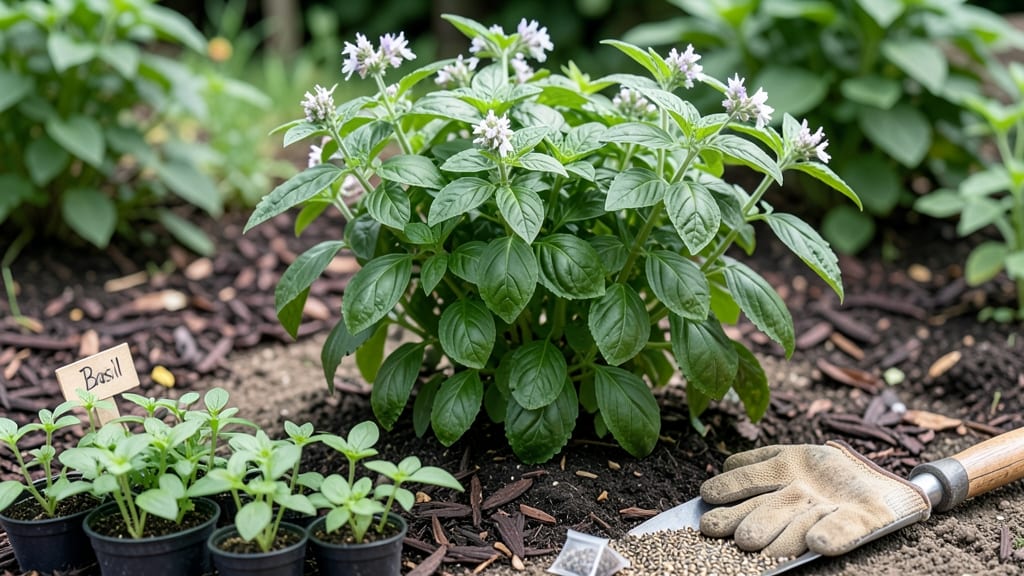
Planting basil in Michigan at the wrong time means your fragrant 🌿 dreams could turn to sad, wilted leaves before summer even kicks in. The key to success? Timing it right—after the last frost but before the heat sets in too hard.
Michigan’s USDA Zones 5b-6b give you a narrow window—mid-April to late May—to get basil in the ground or start it indoors. Miss this, and you’ll either lose plants to frost or struggle with leggy, weak growth from planting too late.
I’ve grown basil here for years, and the difference between a thriving plant and a flop comes down to soil temperature, frost dates, and microclimates. Let me walk you through the exact steps to nail your planting schedule, whether you’re starting seeds indoors or sowing directly outside.
From soil prep to spacing and companion plants, you’ll learn everything you need to turn your Michigan garden into a basil powerhouse—without the guesswork. Let’s get those seeds in the ground the right way!
Optimal basil planting dates in Michigan’s USDA Zones 5-6
Michigan’s USDA Zones 5-6 bring unique challenges for growing basil, thanks to unpredictable frosts and short growing seasons. The key to success? Planting at the right time—whether you’re starting seeds indoors or sowing directly outdoors.
I’ve broken down the exact timeline to ensure your basil thrives from seed to harvest without frost damage.
Basil is a warm-season herb that despises cold, so timing is critical. In Michigan, the last average frost date typically falls around April 15 in most regions, but this can vary by 5-10 days depending on your specific microclimate.
For example, southern Michigan (like Detroit or Kalamazoo) may see frost-free conditions a week earlier than northern areas (like Traverse City or Marquette). Always check your local Almanac frost dates before planting.
Here’s the golden rule for Michigan gardeners: Wait until soil temperatures reach at least 50°F and all frost risk has passed. Basil seeds won’t germinate in cold soil, and young plants will wilt instantly if exposed to even light frost.
To stay safe, I recommend using a soil thermometer to confirm readiness—especially in Zone 5b, where late frosts are more common.
| Planting Method | Optimal Timeframe | Key Considerations |
|---|---|---|
| Indoor Starts | Mid-March to early April | Use grow lights for 12+ hours/day; transplant outdoors after last frost. |
| Direct Sowing | Mid-April to late May | Wait until soil is 50°F+ and frost risk is past; use row covers for extra protection. |
| Late Planting (June) | Early to mid-June | Choose fast-maturing varieties like 'Genovese'; harvest before fall frosts. |
If you’re starting basil indoors, begin seeds 6-8 weeks before your last frost date—that’s typically mid-March to early April in Michigan. Use grow lights or a sunny south-facing window to provide 12+ hours of light daily.
Without enough light, seedlings will grow leggy and weak, making them vulnerable to disease. Once your seedlings have 2-3 true leaves, they’re ready for transplanting into larger pots or your garden.
For direct sowing outdoors, wait until mid-April to late May, depending on your location. Southern Michigan gardeners can often plant by early April, while northern areas should hold off until late April or early May.
To test soil readiness, press your hand into the ground—if it feels warm and crumbly, it’s time to plant. If the soil is still cold or damp, wait another week. Basil seeds need warmth to germinate, and cold soil will delay or prevent sprouting entirely.
One of my favorite tricks for extending the growing season in Michigan is using black plastic mulch or row covers. These tools warm the soil faster in spring and protect young plants from unexpected late frosts.
Lay down mulch a week before planting to raise soil temperatures, then remove it once your basil is established. For an extra layer of protection, use floating row covers until plants are at least 6 inches tall—this can add 2-3 weeks to your growing season.
If you miss the spring planting window, don’t despair! Basil can still be grown in Michigan summers, but you’ll need to choose fast-maturing varieties and plan for an early harvest.
Plant seeds in early to mid-June and expect to harvest by late August or early September before fall frosts arrive. Varieties like 'Genovese Compact' or 'Spicy Globe' are great choices for late planting—they mature in 45-50 days and tolerate cooler temperatures better than standard basil.
Remember, Michigan’s climate is unpredictable, so always have a backup plan. Keep an eye on your local weather forecasts and be ready to cover young plants if frost is predicted.
With the right timing and a little preparation, you’ll be harvesting fresh basil all summer long—no wilted dreams in sight! 🌿
Optimal basil planting dates in Michigan’s USDA Zones 5-6
Michigan’s USDA Zones 5-6 offer a short but sweet growing season for basil, making timing critical. The key is planting after your last frost date—typically around April 15 in most regions—but never before soil warms to at least 50°F.
Cold soil stunts growth, while premature planting risks frost damage. Let’s break down the best strategies for both indoor starts and direct sowing to maximize your harvest.
For indoor starts, begin seeds 6-8 weeks before your last frost date. That means mid-to-late March for most of Michigan. Use grow lights or a sunny windowsill to ensure seedlings get 12-14 hours of light daily.
Harden off seedlings by mid-April to prepare them for outdoor conditions. This head start gives your basil a competitive edge once temperatures rise.
Direct sowing outdoors should wait until after May 1, when nighttime temperatures consistently stay above 50°F. Basil seeds need warmth to germinate, so don’t rush—cold soil delays sprouting and weakens seedlings.
If you miss the spring window, you can try a late-June planting, but yields will be smaller before fall frosts arrive.
| Stage | Action | Timeframe | Notes |
|---|---|---|---|
| Indoor Start | Sow seeds | Mid-to-late March | Use grow lights; keep soil at 70°F. |
| Harden Off | Acclimate seedlings | Mid-April | Gradually expose to outdoor temps. |
| Outdoor Transplant | Plant after last frost | Late April to early May | Wait for soil to warm to 50°F. |
| Direct Sow | Plant seeds outdoors | After May 1 | Soil must stay above 50°F for germination. |
| Late Planting | Sow seeds | Late June (if missed spring) | Smaller harvest before fall frosts. |
Pro tip: Use Michigan State University’s Frost Calculator to pinpoint your exact last frost date. Enter your ZIP code to get hyper-local advice—some northern Michigan regions (like Traverse City) may need to wait until May 10, while southern areas (like Detroit) can plant as early as April 20.
Always prioritize soil temperature over calendar dates.
Once planted, space basil 12-18 inches apart in well-draining soil with rich compost. Basil thrives in full sun (6+ hours daily), but afternoon shade helps in hot Michigan summers to prevent bolting. Mulch around plants to retain moisture and regulate soil temperature—critical in Michigan’s variable spring weather.
Remember, basil is a warm-season herb that bolts (goes to seed) when stressed by cold. If a late frost sneaks in, cover plants with frost cloth or move potted basil indoors temporarily.
With the right timing, you’ll enjoy fresh basil from June through September, perfect for pesto, salads, or teas.