
How To
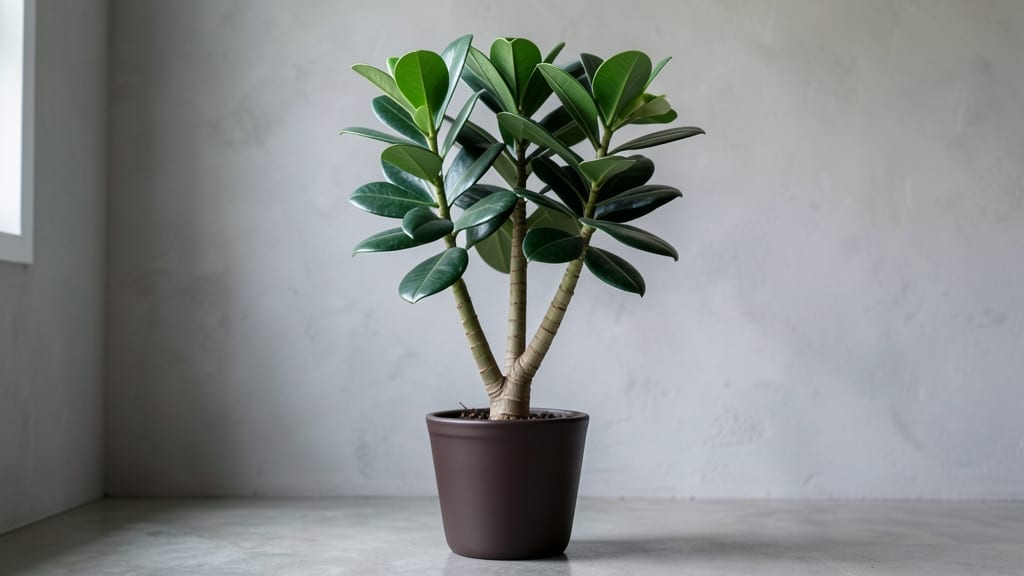
Wondering how tall your ZZ Plant 🌿 can grow before it becomes a ceiling hazard? The answer might surprise you—this low-maintenance plant can reach heights of 3 feet or more indoors, but its growth depends on a few key factors you might not expect.
If you're dreaming of a lush, floor-length green statement piece, you're in luck—ZZ plants are natural climbers when given the right conditions. However, their growth rate is slow, so patience is key. With proper care, you can influence whether your plant stays compact or stretches toward the sky.
In this guide, I'll break down the typical height range, what affects your ZZ Plant's growth, and how to manage its size if you prefer a smaller, bushier look.
Whether you're dealing with leggy stems or just curious about its potential, these tips will help you keep your plant thriving at the perfect height for your space.
From light exposure to pruning techniques, discover the secrets to controlling your ZZ Plant's growth so it stays the star of your home—without taking over your living room.


ZZ plant height limits: how tall can they grow indoors?
Your ZZ plant (Zamioculcas zamiifolia) is a slow but steady grower, and its indoor height can surprise even experienced plant parents.
Under ideal conditions, these plants typically reach 2-3 feet tall, but with the right care (or lack thereof), they can stretch toward 4 feet in rare cases. The key to controlling their height lies in understanding their growth habits and environmental needs.
Unlike fast-growing tropical plants, ZZ plants grow at a moderate pace, adding only about 6-12 inches per year under normal conditions. This makes them perfect for small spaces, but their height can become unmanageable if left unchecked.
The good news? With a few simple adjustments, you can keep your ZZ plant at a compact, manageable size while still enjoying its lush, glossy foliage.
Here’s what influences your ZZ plant’s height—from light exposure to pot size—and how you can use these factors to your advantage. Whether you’re dealing with a leggy plant or just want to keep it under control, these insights will help you guide its growth.
| Factor | Effect on Height | How to Control It |
|---|---|---|
| Light Exposure | Low light = slower growth but leggier stems; bright indirect light = bushier, compact growth | Place near north-facing windows or use grow lights for balanced growth |
| Pot Size | Too large = encourages rapid height growth; too small = stunted growth | Repot every 2-3 years in a container just 1-2 inches larger than the current one |
| Pruning | No pruning = taller, thinner stems; regular pruning = bushier, shorter plant | Trim 1/3 of the stem above a leaf node to encourage branching |
| Watering | Overwatering = slower growth; underwatering = stress and stunted height | Water only when top 2 inches of soil are dry—about every 2-3 weeks |
| Fertilizer | Over-fertilizing = rapid but leggy growth; balanced feeding = controlled height | Use a 5-5-5 balanced fertilizer once every 3-4 months in spring |
One of the most common misconceptions about ZZ plants is that they’ll grow uncontrollably tall if left alone. While they can reach heights of 4 feet in ideal conditions, this is rare for indoor plants.
Most ZZ plants stay between 2-3 feet when given proper care, making them perfect for desks, shelves, or even as floor plants in smaller spaces.
If your ZZ plant is already stretching toward the ceiling, don’t panic—it’s not a sign of poor health. Instead, it’s likely responding to low light conditions or a lack of pruning.
The good news is that ZZ plants are incredibly forgiving. With a little adjustment to their environment or a strategic prune, you can easily redirect their growth into a more compact shape.
For example, if your plant is growing too tall for its current spot, try moving it to a brighter location (but avoid direct sunlight). This encourages the plant to grow wider rather than taller.
Alternatively, you can prune the top stems to promote bushier growth from the base. This method is especially useful if you’re aiming for a fuller, more decorative look.
ZZ plants are also known for their drought tolerance, which means they’ll grow slower in dry conditions. If you’re noticing your plant stretching too much, check your watering habits.
Overwatering can actually slow down growth due to root stress, while underwatering might cause the plant to reach for moisture by growing taller. Aim for a consistent but sparse watering schedule—about every 2-3 weeks—to keep your ZZ plant happy and at a manageable height.
Another factor that often gets overlooked is the age of your ZZ plant. Younger plants grow faster and taller, while mature plants (over 3-4 years old) tend to slow down and focus on maintaining their size.
If you’ve had your ZZ plant for a while and it’s suddenly shooting up, it might just be entering a growth spurt phase. Patience and consistent care will help it stabilize.
To summarize, your ZZ plant’s height is largely in your hands. By controlling light exposure, pruning regularly, and avoiding overwatering, you can keep it at a compact, manageable size—whether that’s a 1-foot desk companion or a 3-foot statement piece.
The key is to monitor its growth and adjust your care routine as needed. With these tips, you’ll have a ZZ plant that’s both healthy and perfectly sized for your space.
ZZ plant height limits: how tall can they grow indoors?
Your ZZ plant (Zamioculcas zamiifolia) is a slow-growing but resilient houseplant that can reach impressive heights when given the right conditions. On average, mature ZZ plants grow between 2 to 3 feet tall, but with ideal care, they can stretch up to 4 feet indoors.
The key to controlling their height lies in understanding their growth habits and environmental needs.
Unlike fast-growing plants, ZZ plants grow slowly but steadily, adding only a few inches per year. Their height is influenced by factors like light exposure, pot size, and pruning practices.
If you're worried about your plant becoming too tall for its space, don’t fret—there are simple ways to manage its growth while keeping it healthy.
| Growth Factor | Impact on Height | How to Control |
|---|---|---|
| Light Exposure | Too much light = leggy growth; too little = slow growth | Place near north-facing windows for balanced light |
| Pot Size | Small pots = stunted growth; large pots = taller growth | Repot every 2-3 years in slightly larger pots |
| Pruning | No pruning = taller growth; pruning = bushier growth | Trim leggy stems to encourage new shoots |
| Watering | Overwatering = slower growth; underwatering = stress | Water only when soil is completely dry |
One common misconception is that ZZ plants grow tall quickly, but their slow growth rate means they can take 3-5 years to reach their full height. If you notice your plant stretching toward light sources, it’s likely searching for more energy to grow.
To prevent this, rotate your plant quarter-turns every few weeks to ensure even growth.
For those with limited space, keeping your ZZ plant in a smaller pot can naturally restrict its height. The plant’s roots will fill the pot before it focuses on vertical growth, resulting in a bushier, more manageable size.
Just ensure the pot has drainage holes to prevent root rot, a common issue with overwatering.
If your ZZ plant has already outgrown its space, don’t despair. Pruning is an effective way to control height and encourage fuller growth. Simply cut back leggy stems to just above a leaf node, and your plant will redirect its energy into producing new shoots.
This method not only keeps your ZZ plant at a manageable height but also promotes a healthier, more vibrant appearance.
Remember, the goal isn’t to stunt your ZZ plant’s growth but to guide it in a way that suits your space. With the right care, your ZZ plant can thrive at a height that works for you—whether that’s a compact 1-2 feet or a towering 3-4 feet showstopper. 🌿