
How To
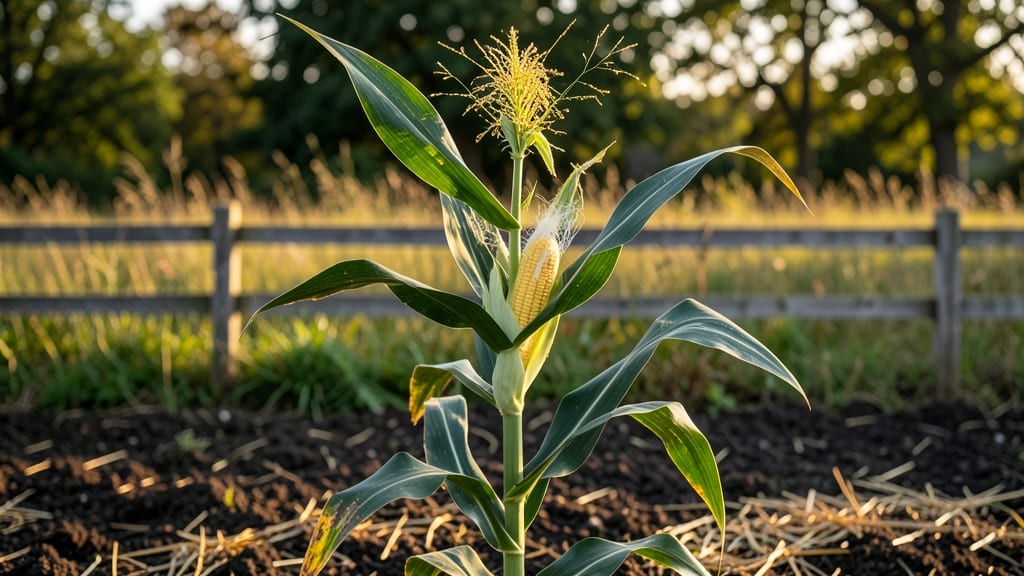
If you're wondering how much light does a corn plant need to grow tall and strong, the answer lies in sunlight exposure.
Corn thrives when it gets at least 6-8 hours of direct light daily, but even 3-4 hours of bright indirect sun can make a difference in its survival and productivity.
Many gardeners overlook how much light corn actually needs, leading to weak stalks, poor ear development, or even stunted growth. Understanding the right balance between full sun and partial shade is the game-changer for a bountiful harvest.
In this guide, I’ll break down exactly how much light corn plants need, whether you’re growing them indoors near a window or outdoors in your garden.
You’ll also learn how to spot signs of too little or too much light—and how to fix common mistakes that could be holding your corn back.
Ready to give your corn the perfect light conditions? Let’s dive into what your plants truly need to flourish from seed to harvest.
 Best Window Placement
Optimal light requirements for corn plants: the 3-4 hour rule explained
Corn plants are sun lovers, and their light requirements are far more specific than you might think. While many gardeners assume they need full sun all day, the truth is slightly nuanced.
For healthy growth and ear production, corn thrives best with 3-4 hours of bright indirect sunlight daily. This might sound counterintuitive, but it’s the sweet spot for preventing stress while still fueling rapid growth.
Direct sunlight can be intense, especially during peak summer hours. Too much can cause leaf burn or stunted growth, while too little leads to leggy, weak stalks and poor ear development.
The key is balancing morning sun exposure with afternoon shade, especially in hot climates. This mimics their natural habitat, where corn grows under partial canopy in wild settings.
Now, let’s break down the specifics. Corn plants fall into two main categories: sweet corn (like Silver Queen) and field corn (used for livestock or ethanol). Both need light, but sweet corn is more sensitive to light deprivation because it relies on photosynthesis to develop flavorful kernels.
Field corn, being hardier, can tolerate slightly less light but still struggles below 3 hours daily.
| Corn Type | Minimum Light Needed | Ideal Light Range | Signs of Light Stress |
|---|---|---|---|
| Sweet Corn | 3 hours bright indirect | 4-6 hours mixed sun/shade | Pale stalks, small ears, poor flavor |
| Field Corn | 3 hours direct | 5-7 hours full sun | Slow growth, weak stalks, low yield |
| Dwarf Varieties | 2-3 hours bright light | 3-4 hours indirect + grow lights | Yellowing leaves, stunted height |
Seasonal adjustments are crucial. In spring and fall, when sunlight is less intense, corn can handle full sun exposure for longer periods without stress. However, during summer’s peak heat, afternoon shade becomes non-negotiable.
I’ve seen corn plants in my garden wilt dramatically when moved from partial shade to full sun afternoons—always transition them gradually over 5-7 days.
Signs of light deficiency in corn are hard to miss. Leaves will turn yellow or pale green, stalks grow weak and spindly, and ears may fail to develop entirely.
On the flip side, excessive sunlight causes leaves to crisp or bleach, and kernels can become hard and underdeveloped. The goal is to find that goldilocks zone—enough light to power growth but not so much that it scorches the plant.
For container-grown corn, position pots near south-facing windows or under grow lights for 12-14 hours daily. If you’re growing outdoors, plant corn in raised beds with afternoon shade cloth during summer months.
I’ve had great success using 50% shade cloth to filter harsh afternoon rays while still allowing plenty of morning sun.
One common myth is that corn needs 8+ hours of direct sun to produce ears. While this is true for maximum yield, it’s not a strict requirement for survival. Even with 4 hours of light, corn will grow—just expect smaller ears and slower maturation.
The trade-off is worth it in regions with intense summer heat, where afternoon shade preserves plant health.
Pro tip: Monitor your corn’s growth rate as a light gauge. Healthy stalks should grow 1-2 inches per day during peak season. If growth stalls or slows significantly, it’s a red flag that light conditions need adjustment.
Pair this with consistent watering (deep soaks every 3-5 days) to keep the soil moist but not soggy.
Remember, corn is a fast-growing annual, and its light needs shift as it matures. Young seedlings can tolerate partial shade while establishing roots, but once stalks reach 12 inches tall, they demand more light.
Plan your garden layout accordingly, placing corn near taller plants or structures that can provide natural shade in the afternoon.
Optimal light requirements for corn plants: the 3-4 hour rule explained
If you're growing corn indoors or in a container, the 3-4 hour rule becomes your best friend. Corn plants thrive on bright indirect sunlight for at least 3-4 hours daily, especially if they can't access direct sun.
This mimics the natural light conditions they’d get in a garden bed. Without enough light, your corn plant will stretch toward the nearest window, a classic sign of etiolation, where stems grow weak and leggy.
Outdoors, corn plants are sun worshippers—they need 6-8 hours of direct sunlight daily for robust growth and ear production. In hotter climates, afternoon shade can prevent stress, but morning sun is crucial for photosynthesis.
If you notice yellowing leaves or stunted growth, your plant might be craving more light. Even partial shade can reduce ear development, so prioritize a sunny spot.
Seasonal adjustments matter too. During winter months, shorter daylight hours mean you may need to supplement light with a grow light. Place it 6-12 inches above the plant for 12-14 hours daily to mimic summer conditions.
This extra light helps maintain healthy foliage and prevents weak stems, especially for indoor corn plants.
🌱 Corn Plant Light Requirements Summary
| Condition | Specification |
|---|---|
| Indoor Light | 3-4 hours of bright indirect sunlight daily |
| Outdoor Light | 6-8 hours of direct sunlight daily |
| Seasonal Adjustments | Supplement with grow lights in winter (12-14 hours/day) |
| Signs of Insufficient Light | Leggy stems, yellowing leaves, slow growth |
| Signs of Too Much Light | Brown leaf tips, wilting, sunburn spots |
Corn plants also respond well to morning sunlight, which is less intense than afternoon rays. If you're growing corn in a container, rotate it weekly to ensure even light exposure on all sides.
This prevents one side from becoming too stretched or weak. For outdoor gardens, choose a location with minimal obstructions like tall trees or buildings that could cast shadows.
One common misconception is that corn plants can thrive in partial shade. While they can tolerate a few hours of shade, especially in hot climates, prolonged shade leads to poor ear development and weaker stalks.
If your garden only offers partial shade, opt for shorter varieties like 'Golden Bantam' or 'Country Gentleman,' which are slightly more shade-tolerant than standard varieties.
Monitor your corn plant’s leaf color and growth rate as key indicators of light success. Healthy leaves should be deep green and upright, while struggling plants may show signs of chlorosis (yellowing between veins) or necrosis (brown, crispy edges).
Adjust light exposure gradually to avoid shocking the plant, especially if moving it from indoors to outdoors or vice versa.
Finally, remember that light quality matters as much as quantity. Corn plants prefer full-spectrum light, which includes blue and red wavelengths essential for photosynthesis. If you're using grow lights, choose LED or fluorescent bulbs designed for plants, as they replicate natural sunlight more effectively than incandescent bulbs.