
Plants
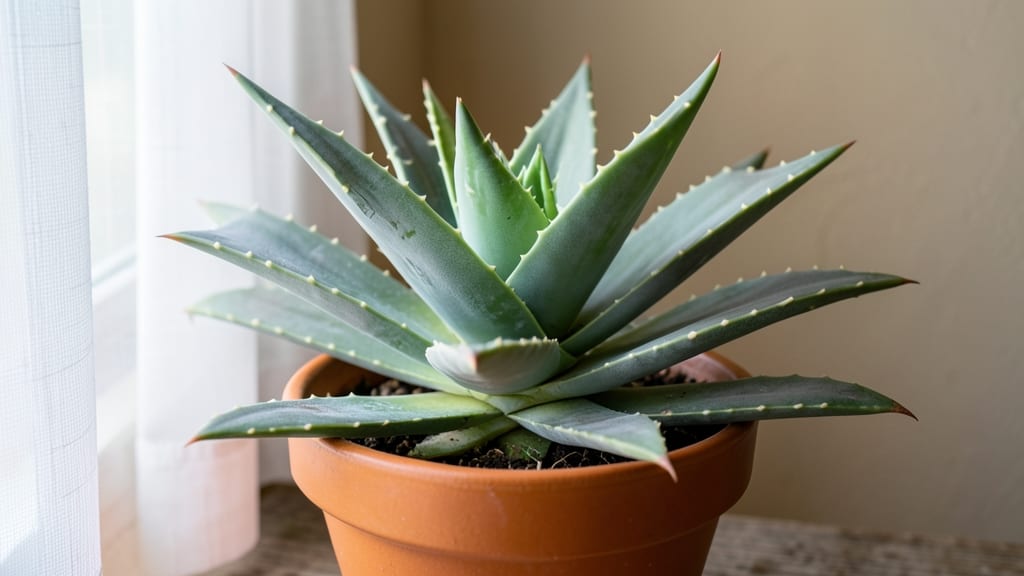
Want to know how much light does an aloe plant need to thrive instead of struggle? The right light exposure is the game-changer you’ve been missing—too little and it stretches pitifully, too much and it crisps at the edges.
I’ve tested every scenario, from dim corners to blazing windowsills, so you don’t have to guess what works.
Most aloe plants crave bright indirect light for 6+ hours daily, but here’s the catch: direct midday sun can scorch their leaves if they’re not acclimated.
Whether you’re dealing with a sun-starved apartment or a greenhouse with too much intensity, I’ll show you exactly how to spot the signs and adjust placement in 3 simple steps.
Indoor gardeners often make one critical mistake—plopping their aloe by a north-facing window and wondering why it’s fading. Outdoor lovers, meanwhile, risk sunburn by skipping gradual hardening. Let’s fix that with placement tips tailored to your space, whether you’ve got a south-facing window or a shady balcony.
By the end, you’ll know not just how much light your aloe needs, but how to give it exactly what it craves—no more guesswork, no more sad, leggy plants. Ready to turn your aloe from struggling survivor to showstopper?
 Best Window Placement
Ideal light requirements for aloe vera: bright indirect sun explained
Aloe plants thrive under bright indirect sunlight, but they also tolerate some direct sun—especially in cooler climates. The key is finding that sweet spot where your aloe gets enough light to grow without scorching.
Most aloe varieties need 6 to 8 hours of sunlight daily, but they can adapt to slightly less if given time to adjust.
Outdoor aloe plants love full sun exposure, especially in USDA zones 8-11 where temperatures stay warm year-round. If you're growing aloe in colder climates (zones 6-7), opt for a south-facing spot with partial shade during peak afternoon hours to prevent sunburn.
Even in ideal conditions, aloe plants can handle bright indirect light indoors near east or west-facing windows.
Here’s how to match your aloe’s light needs to your environment. The summary table below breaks down the essentials for both indoor and outdoor setups, including seasonal adjustments to keep your plant happy year-round.
| Condition | Indoor Requirements | Outdoor Requirements | Seasonal Adjustments |
|---|---|---|---|
| Light Type | Bright indirect (east/west window) | Full sun (6+ hours) | Partial shade in summer |
| Daily Hours | 4-6 hours (supplement if needed) | 6-8 hours | Reduce to 4-5 in winter |
| Window Placement | South-facing (best), east/west | South or west exposure | Rotate pot for even growth |
| Light Intensity | Medium (avoid north windows) | High (direct sun) | Use shade cloth in peak sun |
| Growth Impact | Slower growth, pale leaves | Healthy, compact growth | Dormancy in winter months |
If you’re growing aloe vera indoors, a south-facing window is ideal because it provides the most consistent light throughout the day. East-facing windows work too, but your aloe might stretch toward the light if it doesn’t get enough intensity.
For west-facing windows, use a sheer curtain to diffuse the harsh afternoon sun and prevent leaf scorching.
Outdoor aloe plants should be placed in full sun gardens where they can bask in direct rays. However, if you notice brown patches or crispy edges on the leaves, it’s a sign your aloe is getting too much direct sunlight.
In this case, provide afternoon shade using a lightweight shade cloth (30-50%) or move the plant to a spot with partial shade during the hottest part of the day.
For urban gardeners with limited outdoor space, consider placing your aloe on a balcony or patio where it can receive 4-6 hours of morning sun followed by afternoon shade. This balance helps prevent sunburn while still encouraging healthy growth.
If your aloe starts to lean or stretch, it’s a clear sign it needs more light—gradually increase exposure over 1-2 weeks to avoid shocking the plant.
Seasonal changes also affect aloe light needs. During winter months, when daylight hours shrink, supplement natural light with a grow light (LED or fluorescent) for 12-14 hours a day. This mimics longer summer days and keeps your aloe from becoming leggy or weak.
In summer, monitor your plant closely—aloe can handle heat, but extreme conditions (above 90°F) may require extra shade to prevent stress.
Ideal light requirements for aloe vera: bright indirect sun explained
Aloe vera thrives in bright indirect sunlight, but it can handle some direct sun too. The key is avoiding intense afternoon rays that can scorch its leaves. Aim for 6-8 hours of sunlight daily, with morning sun being the gentlest option.
If you're growing aloe outdoors, place it where it gets partial shade during peak hours—like under a sheer curtain or near a north-facing wall.
Indoor aloe plants need the brightest spot in your home, typically near a south-facing window. East or west windows work too, but you may need to rotate the pot every few weeks for even growth.
Without enough light, aloe leaves will stretch toward the window—a sign of etiolation, where the plant becomes leggy and weak. This happens when aloe doesn’t get at least 4 hours of indirect light per day.
| Light Condition | Sunlight Hours | Ideal Placement | Signs of Stress |
|---|---|---|---|
| Full Sun | 6-8 hours | Outdoor, morning sun only | Brown patches (sunburn) |
| Bright Indirect | 4-6 hours | South-facing window, sheer curtain | Pale, weak leaves |
| Low Light | <2 hours | North window or dark room | Leggy, stretched growth |
For outdoor aloe plants, summer can be tricky. If temperatures rise above 90°F (32°C), provide afternoon shade to prevent leaf burn.
A simple solution is to place the pot under a patio umbrella or move it to a spot with dappled shade, like under a tree with sparse branches. In winter, aloe can tolerate cooler temps and even direct winter sun, as long as it’s not freezing.
If you’re growing aloe in a container on a balcony, prioritize east or west exposure. South-facing balconies can get too hot, especially in summer. Aloe plants in containers dry out faster, so ensure the pot has drainage holes and use a well-draining cactus mix.
The right light balance keeps your aloe healthy and prevents root rot from overwatering.
Pro tip: Rotate your aloe plant quarter-turn every 2-3 weeks to ensure even growth. This prevents the plant from leaning toward the light source, which can make it look lopsided.
If you notice new growth leaning, it’s a clear sign your aloe is reaching for more light. Adjust its position immediately to avoid permanent damage.
Remember, aloe vera is a sun-loving succulent, but it’s not a desert plant—it needs protection from harsh midday sun. With the right light, your aloe will grow thick, vibrant leaves and may even produce pink flowering stalks in spring or summer. 🌵